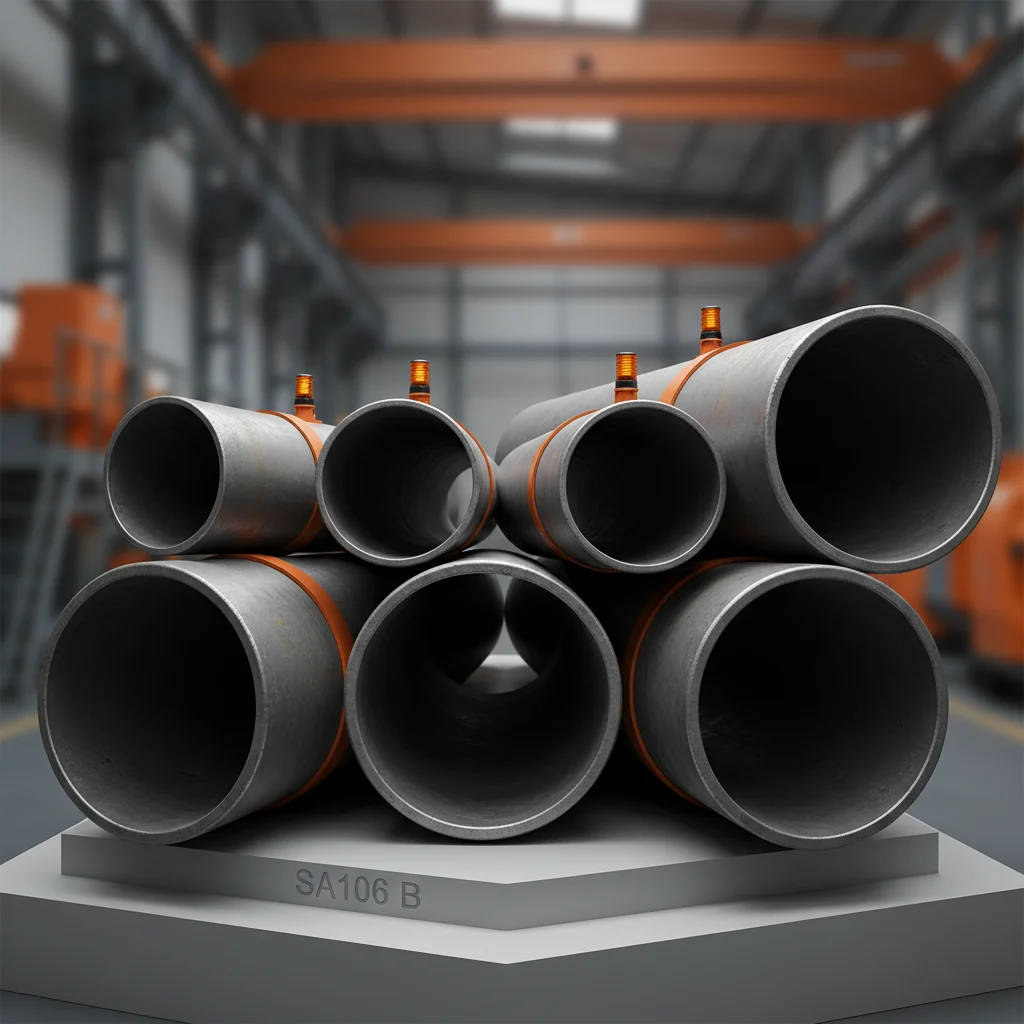
In the demanding landscape of modern industrial metallurgy, the selection of high-performance materials is critical for ensuring structural integrity and operational safety. While many engineers look toward specialized standards like a333 gr 6 for low-temperature service, the evolution of advanced alloys—particularly Titanium—has redefined what is possible in extreme environments. Understanding the synergy between traditional steel specifications and cutting-edge titanium grades is essential for optimizing the lifecycle of critical components.
The global shift toward lightweighting and extreme corrosion resistance has pushed the industry beyond conventional carbon steels. While a333 gr 6 provides a reliable benchmark for low-temperature piping, the integration of Titanium Grade 2, Grade 5, and specialized alloys offers an unmatched strength-to-weight ratio. This transition is not merely about replacing one material with another, but about enhancing the efficiency of aerospace, medical, and chemical processing systems.
By analyzing the technical specifications of high-grade titanium alongside the requirements often associated with a333 gr 6, procurement officers and design engineers can make informed decisions. This comprehensive guide explores the properties, applications, and strategic advantages of Benkoo Metal's titanium offerings, providing a roadmap for those seeking the ultimate balance of durability, biocompatibility, and thermal stability.

Global Relevance of High-Performance Alloys vs a333 gr 6
In the global industrial sector, materials like a333 gr 6 have long been the standard for low-temperature environments, particularly in the oil and gas industry. However, as projects move into more aggressive chemical environments or require drastic weight reductions—such as in aerospace or deep-sea exploration—the limitations of carbon steel become apparent. The demand for materials that can withstand both cryogenic temperatures and highly corrosive chlorides has sparked a global shift toward Titanium alloys.
The relevance of choosing the right grade, whether it be a traditional low-temp steel or a high-performance Titanium Grade 5, directly impacts the safety and longevity of infrastructure. According to ISO standards and aerospace specifications (AMS), the transition to these advanced materials reduces maintenance downtime by up to 40% in extreme environments. For engineers accustomed to the reliability of a333 gr 6, Titanium presents a superior alternative for applications where corrosion is the primary failure mechanism.
Defining the Technical Scope of Titanium Grades
While a333 gr 6 is defined by its carbon content and low-temperature impact toughness, Titanium grades are categorized by their alpha, beta, or alpha-beta crystalline structures. Commercially Pure (CP) Titanium, such as Grade 1 and Grade 2, offers the highest ductility and excellent corrosion resistance, making them ideal for chemical processing where strength is secondary to material stability.
Moving up the performance scale, Grade 5 (Ti-6Al-4V) is the workhorse of the industry. Unlike the focused low-temperature utility of a333 gr 6, Grade 5 provides an exceptional strength-to-weight ratio, making it indispensable for aircraft fasteners and high-performance engine components. It balances mechanical strength with fatigue resistance, ensuring that components can withstand cyclic loading without premature failure.
For specialized environments, Grades 7, 12, and 23 (ELI) provide targeted enhancements. Grade 7, for instance, incorporates Palladium to fight crevice corrosion in reducing acids, while Grade 23 is an "Extra Low Interstitial" version designed for medical implants. This breadth of options allows users to move beyond the general-purpose capabilities of a333 gr 6 and select a material tailored to a specific molecular challenge.
Core Components of Material Durability and Strength
The primary factor in material selection, often debated when comparing a333 gr 6 with Titanium, is corrosion resistance. Titanium forms a stable, protective oxide film that makes it virtually immune to seawater and most chlorides, whereas carbon steels require extensive coatings or inhibitors to prevent oxidation.
Another critical component is the strength-to-weight ratio. While a333 gr 6 is robust, it is heavy. Titanium Grade 5 provides strength comparable to many high-strength steels but at nearly half the weight, allowing for significant fuel savings in aerospace and increased payload capacity in automotive racing.
Finally, biocompatibility and thermal stability set these materials apart. While a333 gr 6 serves the industrial piping sector, Titanium Grade 23 is the gold standard for orthopedic implants due to its non-toxic nature and high fracture toughness, proving that material science is as much about human health as it is about industrial power.
Global Applications and Industrial Use Cases
In the aerospace and defense sector, the shift from heavy steels to Titanium is non-negotiable. Components such as landing gear and engine mounts require the fatigue resistance found in Grade 5 and Grade 9. While a333 gr 6 might be suitable for ground-based low-temperature support systems, the flight-critical components must prioritize weight reduction without sacrificing safety.
In the chemical and marine industries, the application of Titanium Grades 2, 7, and 12 ensures the longevity of pump shafts and subsea fittings. In remote industrial zones or offshore desalination plants, the cost of replacing a corroded a333 gr 6 pipe far exceeds the initial investment in Titanium. The absolute immunity to seawater corrosion makes Titanium the only viable choice for long-term subsea deployments.
Performance Comparison: Titanium Grades vs Industrial Standards
Tangible Advantages and Long-Term Value
The long-term value of upgrading from standard materials like a333 gr 6 to Titanium lies in the dramatic reduction of Total Cost of Ownership (TCO). While the initial procurement cost of Titanium is higher, the elimination of frequent replacements, painting, and corrosion-inhibiting treatments results in a net saving over a 10-year operational cycle.
Beyond the financial logic, there is the emotional and ethical angle of safety and reliability. In medical implants or aircraft structural fittings, the "trust" in the material is paramount. The high fracture toughness of Grade 23 and the reliability of Grade 5 provide peace of mind that exceeds the capabilities of a333 gr 6 in high-stress, high-stakes environments.
Future Trends in Metallurgical Innovation
As we move toward a greener economy, the role of Titanium in hydrogen energy and carbon capture is expanding. Its ability to handle aggressive process streams makes it a superior candidate for hydrogen storage and transport compared to the traditional piping used in a333 gr 6 systems, which may be susceptible to hydrogen embrittlement.
Digital transformation is also playing a role through additive manufacturing (3D printing). The ability to print complex geometries using Grade 5 powder allows for topological optimization—reducing weight even further than traditional machining of a333 gr 6 or Titanium bars. This leads to "bionic" designs that are stronger yet lighter.
Furthermore, the industry is seeing a rise in "hybrid" material systems. Engineers are now combining the low-cost structural efficiency of materials like a333 gr 6 for non-critical areas with Titanium cladding or components for high-wear zones, creating a balanced and cost-effective architectural approach to engineering.
Overcoming Implementation Challenges
One of the primary challenges when transitioning from materials like a333 gr 6 to Titanium is machinability. Titanium, especially Grade 5, requires rigid setups, sharp tools, and lower speeds to prevent work-hardening. Unlike the relatively straightforward machining of carbon steels, Titanium demands a higher level of technical expertise and specialized coolant.
Another hurdle is the initial cost. To overcome this, Benkoo Metal provides precision saw cutting and ready-to-machine blanks, which significantly reduces material waste. By optimizing the "buy-to-fly" ratio, the financial gap between a333 gr 6 and Titanium becomes much more manageable for the end user.
Lastly, ensuring compliance with international standards (ASTM B348, AMS 4928) is vital. Moving away from the a333 gr 6 specification requires a rigorous certification process. Benkoo Metal solves this by providing full traceability and Mill Test Certificates (EN 10204 3.1/3.2), ensuring that every bar meets the exact mechanical and chemical requirements of the project.
Comparative Analysis of Material Selection Dimensions
| Material Grade |
Corrosion Resistance |
Strength-to-Weight |
Machinability Score |
| Titanium Grade 2 |
Excellent |
High |
8/10 |
| Titanium Grade 5 |
Very Good |
Exceptional |
4/10 |
| Titanium Grade 7 |
Supreme (Acids) |
High |
7/10 |
| Titanium Grade 23 |
Excellent |
Exceptional |
5/10 |
| a333 gr 6 (Steel) |
Moderate |
Low |
9/10 |
| Titanium Grade 12 |
Very High |
High |
6/10 |
FAQS
While a333 gr 6 is highly effective for low-temperature pressure applications, Titanium Grade 5 (Ti-6Al-4V) offers a significantly higher strength-to-weight ratio. This means that for the same structural load, a Grade 5 component will be much lighter than an a333 gr 6 part, making it the preferred choice for aerospace and racing applications where every kilogram counts.
Yes, exponentially so. Unlike a333 gr 6, which requires coatings or specific alloys to prevent rust and corrosion in saline or acidic environments, Titanium forms a natural, instantaneous oxide layer. This provides near-total immunity to seawater and most industrial chemicals, drastically reducing long-term maintenance costs.
For medical implants, Titanium Grade 23 (ELI) is the recommended choice. Unlike industrial grades or standard steels like a333 gr 6, Grade 23 is an "Extra Low Interstitial" alloy, which provides enhanced ductility and fracture toughness, ensuring biocompatibility and safety inside the human body.
Yes, Titanium is more challenging to machine. It has lower thermal conductivity, which means heat builds up at the cutting edge. While a333 gr 6 machines relatively easily, Titanium Grade 5 requires rigid tooling, lower cutting speeds, and high-pressure coolant to avoid tool failure and work-hardening of the material.
In many cases, yes, and often with better results. While a333 gr 6 is designed for low temperatures, Titanium grades (especially CP grades) also perform excellently at low temperatures while adding the benefit of extreme corrosion resistance. However, the choice depends on the specific budget and the chemical nature of the fluid being transported.
Always request full traceability and Mill Test Certificates (MTC) compliant with EN 10204 3.1 or 3.2. For those moving from a333 gr 6 standards, ensure the supplier adheres to ASTM B348 or AMS specifications, as these guarantee the chemical composition and mechanical properties necessary for high-performance applications.
Conclusion
The transition from conventional materials like a333 gr 6 to high-performance Titanium alloys represents a strategic investment in durability, safety, and efficiency. Whether it is the biocompatibility of Grade 23, the extreme strength of Grade 5, or the corrosion immunity of Grade 7, Titanium provides solutions that carbon steels simply cannot match in extreme environments. By understanding the technical trade-offs between weight, machinability, and cost, engineers can build systems that are not only more reliable but also more sustainable.
Looking forward, as industries push toward hydrogen energy and deep-space exploration, the demand for specialized alloys will only grow. We suggest that procurement teams begin integrating Titanium into their high-wear components now to reduce the long-term cost of maintenance and failure. For those seeking a technical partner in grade selection and precision supply, we invite you to explore our extensive inventory. Visit our website: www.benkoometal.com