Understanding Round Bar Titanium: Properties, Applications & Sourcing
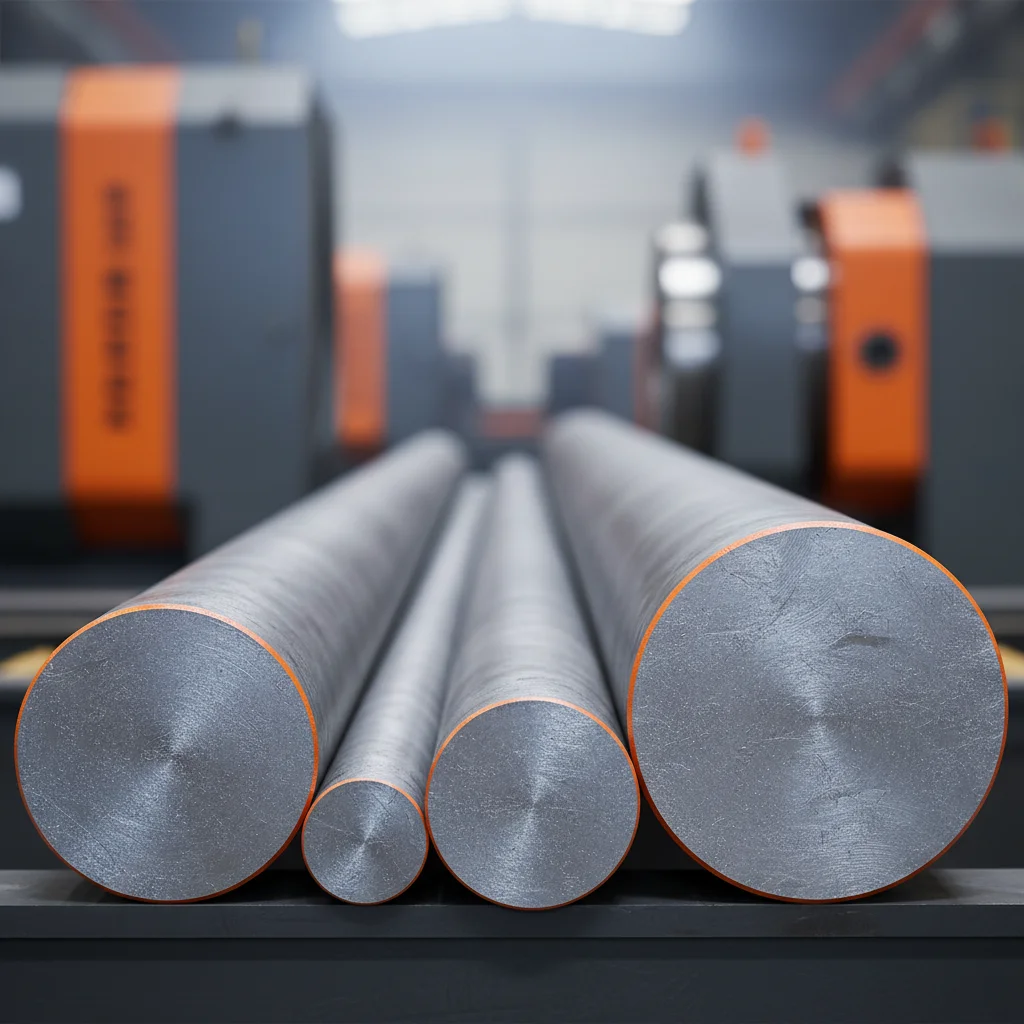
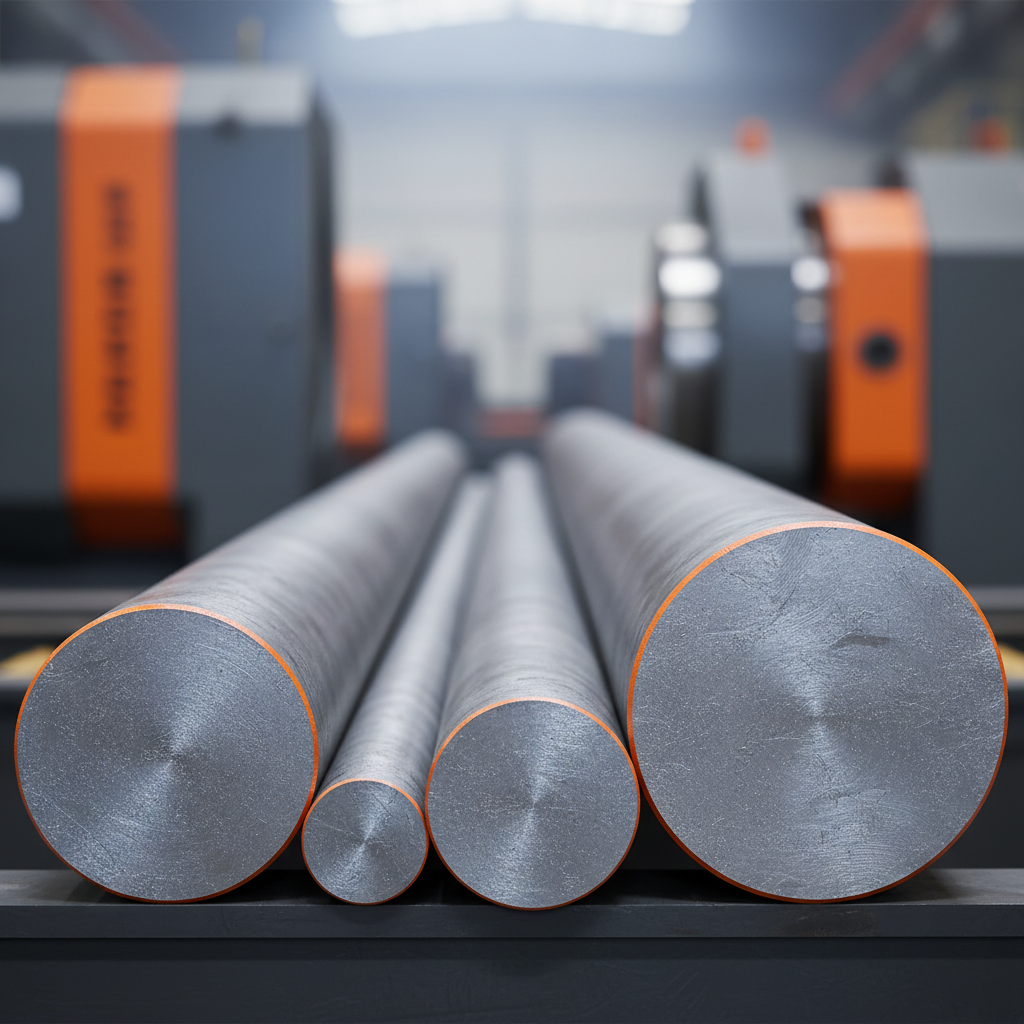
Titanium round bar is a highly sought-after material across numerous industries due to its exceptional strength-to-weight ratio, corrosion resistance, and biocompatibility. Whether you're in aerospace, medical, or marine engineering, understanding the nuances of round bar titanium is crucial for successful project outcomes. This article will delve into the properties, applications, grades, and sourcing considerations of titanium round bar, offering a comprehensive guide for professionals. Choosing the correct titanium alloy and supplier is key to maximizing performance and minimizing costs.
Key Properties of Titanium Round Bar
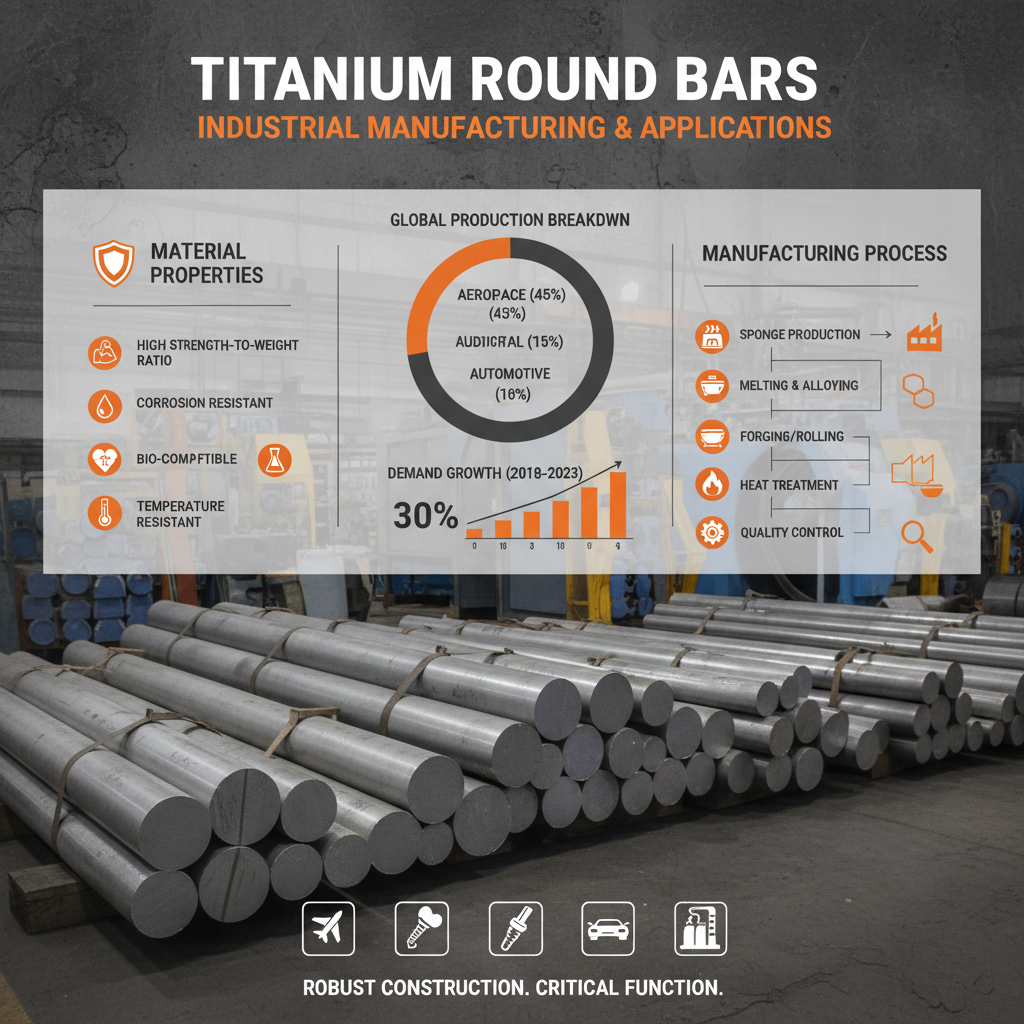
Titanium’s remarkable properties are what drive its demand in high-performance applications. It boasts an incredibly high strength-to-weight ratio, exceeding that of many steels while being significantly lighter. This makes it ideal for components where weight reduction is critical, such as aerospace parts. Furthermore, titanium is exceptionally corrosion resistant, even in harsh environments like saltwater, due to the formation of a passive oxide layer. It’s also biocompatible, meaning it doesn't react negatively with biological tissues, making it perfect for medical implants. Other significant properties include high fatigue strength and excellent resistance to temperature extremes. Selecting the appropriate grade of titanium round bar depends on the specific application requirements.
Key Highlights: Exceptional strength-to-weight ratio, superior corrosion resistance, biocompatibility, high fatigue strength, and resistance to temperature extremes.
Common Grades of Round Bar Titanium
Titanium isn't a single material; various grades offer different combinations of properties. The most commonly used grades for round bar include CP (Commercially Pure) Titanium, Grade 5 (Ti-6Al-4V), and Grade 2. CP titanium offers excellent corrosion resistance and formability but lower strength. Grade 5, an alloy with aluminum and vanadium, provides significantly higher strength while maintaining good corrosion resistance. Grade 2 titanium is a balance between strength and corrosion resistance, often used in marine applications. Understanding these differences is critical when choosing titanium round bar for a specific purpose.
Titanium Grade Comparison:
• CP Titanium: Excellent corrosion resistance, good formability, lower strength.
• Grade 2: Balance of strength and corrosion resistance, suitable for marine environments.
• Grade 5 (Ti-6Al-4V): Highest strength, good corrosion resistance, widely used in aerospace.
Applications of Round Bar Titanium
The unique properties of titanium round bar lead to its extensive use across diverse industries. In the aerospace sector, it's utilized for critical structural components, fasteners, and engine parts, leveraging its high strength-to-weight ratio. The medical industry employs it for surgical implants, prosthetics, and instruments due to its biocompatibility. Marine applications benefit from its exceptional corrosion resistance in saltwater environments, making it ideal for propeller shafts, heat exchangers, and hull fittings. Other applications include chemical processing equipment, sporting goods (like golf clubs and bicycle frames), and high-performance automotive components. Selecting a reliable supplier like Benkoo Metal ensures quality and consistent material properties.
Sourcing Considerations for Titanium Round Bar
Sourcing titanium round bar requires careful consideration. Quality control is paramount, ensuring the material meets the required specifications and industry standards. Look for suppliers with certifications like ISO 9001. Lead times can vary significantly depending on the grade, size, and quantity, so planning is crucial. Price fluctuations are common due to market conditions and raw material costs, so obtaining multiple quotes is recommended. Finally, consider the supplier’s reputation, experience, and ability to provide technical support. Benkoo Metal offers a reliable supply chain and consistently high-quality titanium products.
Product Specifications & Available Sizes
We offer a comprehensive range of round bar titanium in various grades and dimensions to meet diverse project requirements. Below is a sample of commonly available sizes. Custom sizes are also available upon request. Contact our sales team for a detailed quote and lead time.
Conclusion: Choosing the Right Titanium Round Bar
Selecting the right round bar titanium is a critical decision that impacts the performance and longevity of your projects. By carefully considering the properties, grades, applications, and sourcing factors discussed in this article, you can ensure optimal results. Partnering with a reputable supplier like Benkoo Metal provides access to high-quality materials, expert support, and reliable delivery. Invest in quality titanium – invest in success.
Frequently Asked Questions (FAQs)
What are the main advantages of using titanium over steel?
Titanium offers several key advantages over steel. Primarily, it boasts a superior strength-to-weight ratio, meaning it's significantly lighter for the same level of strength. It also exhibits exceptional corrosion resistance, especially in harsh environments like saltwater, where steel rapidly corrodes. Furthermore, titanium is non-magnetic and biocompatible, properties that steel lacks. While steel is generally less expensive, titanium's superior performance often justifies the higher cost in critical applications.
How does the corrosion resistance of titanium compare to stainless steel?
While stainless steel offers good corrosion resistance, titanium excels in even more challenging environments. Titanium forms a passive oxide layer that protects it from corrosion in a wider range of acids, chlorides, and other corrosive substances than stainless steel. In saltwater, titanium is far superior, resisting pitting and crevice corrosion that can affect stainless steel. For long-term exposure to harsh chemicals or marine conditions, titanium is the preferred choice.
What are some of the challenges associated with machining titanium?
Titanium can be challenging to machine due to its high strength and tendency to work harden. It requires sharp cutting tools, slow cutting speeds, and abundant cooling to prevent tool wear and workpiece distortion. The formation of built-up edge can also be an issue. However, with the proper techniques and tooling, titanium can be successfully machined to precise tolerances. Experienced machinists familiar with titanium’s properties are essential for optimal results.
Can titanium be welded?
Yes, titanium can be welded, but it requires specialized techniques and shielding gases to prevent contamination. It’s crucial to protect the weld from atmospheric oxygen and nitrogen, as these can embrittle the weld. Typically, welding is performed in an inert atmosphere, such as argon or helium. Proper weld preparation and skilled welding are essential to achieve strong and durable welds.


-20251218091502.webp "Steel Solid Bars")
-20251219035019.webp "Titanium Round Bar")
-20251219055937.webp "General Application Of Welded Pipes")
-20251219052202.webp "Titanium Seamless Pipes")