Understanding Duplex Pipe: A Comprehensive Guide
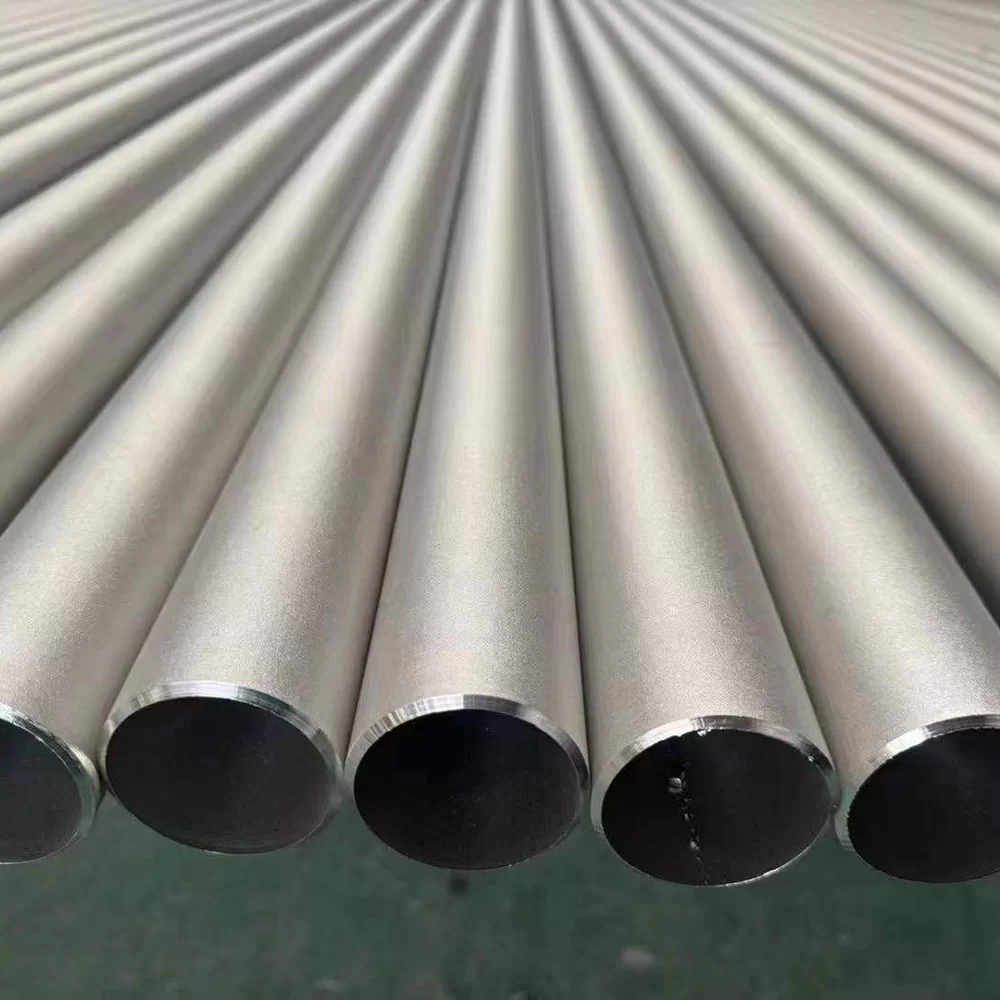
Duplex pipe is a high-performance stainless steel material increasingly utilized across diverse industries, including oil & gas, chemical processing, and marine engineering. Its superior strength, corrosion resistance, and cost-effectiveness make it an excellent alternative to traditional stainless steel and other alloy pipes. This article provides a detailed overview of duplex pipe, covering its composition, properties, applications, and key considerations when selecting a supplier. Choosing the right pipe material is critical for ensuring long-term operational reliability and minimizing maintenance costs. You can explore a wide range of duplex pipe solutions at Benkoo Metal.
What is Duplex Pipe? Composition and Characteristics
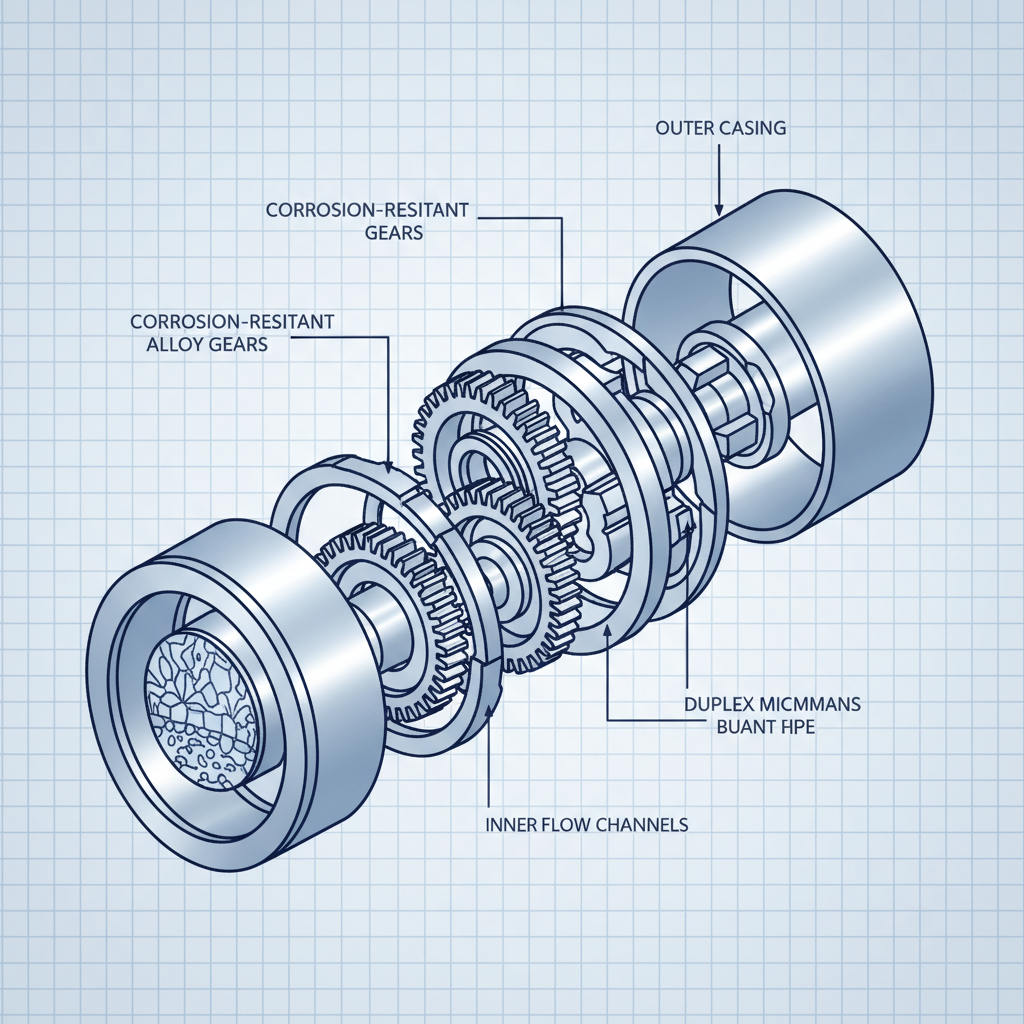
Duplex stainless steel pipe gets its name from its microstructure, which consists of a roughly equal mixture of austenite and ferrite. This unique composition results in a material possessing the benefits of both phases – high strength and stress corrosion cracking resistance. The most common duplex grades include 2205, 2507, and 2304. They generally contain 22-25% chromium, 4-8% nickel, and 3-5% molybdenum, along with smaller amounts of nitrogen and other elements. This combination delivers exceptional performance in harsh environments where traditional stainless steels struggle. Choosing the correct duplex pipe grade is vital, and Benkoo Metal offers expert guidance to assist in this process.
Key Highlights: Duplex stainless steel exhibits superior strength and corrosion resistance compared to austenitic stainless steels, making it ideal for challenging applications.
Duplex Pipe Grades: A Comparative Overview
Several duplex stainless steel grades are available, each optimized for specific applications. The most popular are 2205, 2507, and 2304. 2205 is widely used due to its balance of properties and cost-effectiveness. 2507 offers even higher strength and corrosion resistance, particularly in severe chloride environments, but comes at a higher price point. 2304 provides good weldability and is suitable for less demanding applications. Understanding these differences is crucial for selecting the appropriate grade for your project. Benkoo Metal's experienced team can help you navigate these options.
Key Duplex Pipe Grades:
• 2205: Excellent corrosion resistance, good weldability, widely used.
• 2507: Superior strength and corrosion resistance, ideal for severe environments.
• 2304: Good weldability, cost-effective, suitable for less demanding applications.
Duplex Pipe vs. Austenitic Stainless Steel: A Detailed Comparison
While austenitic stainless steels like 304 and 316 are common, duplex pipe offers significant advantages in many applications. Duplex pipe generally has nearly double the yield strength of austenitic stainless steels, allowing for thinner wall thicknesses and weight savings. It also exhibits superior resistance to stress corrosion cracking (SCC), particularly in chloride-containing environments, which is a common failure mode in austenitic stainless steels. While austenitic stainless steels are often more readily available and potentially less expensive upfront, the long-term cost savings associated with the increased lifespan and reduced maintenance of duplex pipe often outweigh the initial investment.
Applications of Duplex Pipe Across Industries
Duplex pipe finds widespread use in industries facing corrosive and high-stress environments. The oil & gas sector utilizes it extensively for pipelines, manifolds, and subsea applications. Chemical processing plants rely on duplex pipe for handling aggressive chemicals and maintaining process integrity. Marine applications, such as seawater cooling systems and desalination plants, benefit from its exceptional corrosion resistance. Other key applications include pulp and paper mills, wastewater treatment facilities, and power generation plants. Benkoo Metal supplies duplex pipe to a diverse range of industries globally.
Selecting the Right Supplier: Key Considerations
Choosing a reputable supplier is paramount when procuring duplex pipe. Ensure the supplier has a robust quality control system, including material certification and non-destructive testing. Verify their ability to meet your specific requirements regarding size, grade, and quantity. Consider their lead times and logistical capabilities. Look for a supplier with a proven track record of delivering high-quality products and providing excellent customer service. Benkoo Metal is committed to providing superior quality duplex pipe and unparalleled customer support.
Conclusion: A Durable and Reliable Piping Solution
Duplex stainless steel pipe offers a compelling combination of strength, corrosion resistance, and cost-effectiveness, making it a preferred choice for demanding applications. By understanding its properties, grades, and applications, you can make informed decisions to optimize your piping systems. Benkoo Metal is your trusted partner for sourcing high-quality duplex pipe solutions.
Frequently Asked Questions (FAQs)
What are the typical applications for 2507 duplex pipe?
2507 duplex pipe is primarily used in extremely corrosive environments, such as offshore oil and gas production, chemical processing involving high chloride concentrations, and seawater desalination plants. Its superior resistance to pitting, crevice corrosion, and stress corrosion cracking makes it ideal for applications where failure would have significant consequences. It’s also used in heat exchangers and other equipment exposed to harsh chemicals.
Can duplex pipe be welded?
Yes, duplex pipe can be welded, but it requires specialized welding procedures and qualified welders. Due to its unique microstructure, proper heat input and interpass temperature control are crucial to maintain its corrosion resistance. Low heat input welding techniques are generally preferred to minimize the formation of detrimental phases. Post-weld heat treatment may also be required, depending on the specific grade and application. Benkoo Metal provides welding guidelines and support to ensure successful installations.
What is the cost difference between duplex and standard stainless steel pipe?
Duplex pipe generally costs more than standard austenitic stainless steel (like 304 or 316) upfront, typically ranging from 2 to 4 times the price, depending on the grade, size, and quantity. However, the increased lifespan, reduced maintenance requirements, and improved reliability of duplex pipe often result in lower total lifecycle costs. The superior corrosion resistance minimizes downtime and replacement costs, making it a cost-effective solution in the long run.
What certifications should I look for when purchasing duplex pipe?
When purchasing duplex pipe, ensure the supplier provides material certifications (e.g., EN 10204 3.1) confirming the chemical composition and mechanical properties. Look for certifications demonstrating compliance with relevant industry standards, such as ASTM, ASME, and EN. ISO 9001 certification indicates the supplier has a robust quality management system in place. Benkoo Metal provides full material traceability and compliance documentation with all shipments.


-20251218093108.webp "Steel Plates")
-20251218091502.webp "Steel Solid Bars")