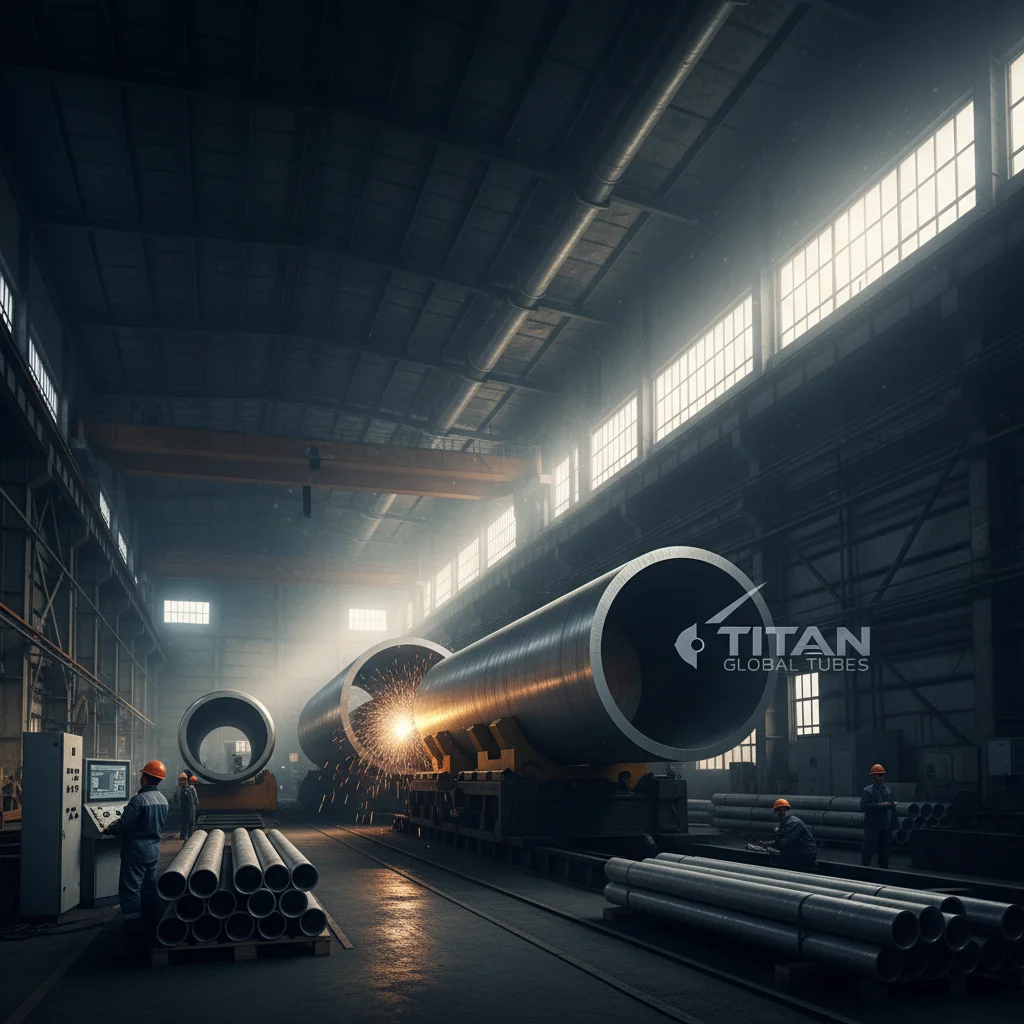
The api 5l x65 psl2 specification represents a critical benchmark in the global energy infrastructure, providing the necessary technical framework for high-strength pipeline steel. In an era where energy security and efficient transport of hydrocarbons are paramount, adhering to these rigorous standards ensures that pipelines can withstand extreme internal pressures and challenging environmental conditions without failure.
Understanding the nuances of the api 5l x65 psl2 specification is not merely a matter of compliance but a strategic necessity for engineers and procurement specialists. By specifying Product Specification Level 2 (PSL2), operators can guarantee a higher level of quality control, including mandatory toughness testing and stricter chemical compositions, which significantly reduces the risk of catastrophic ruptures in critical transit lines.
Ultimately, the implementation of the api 5l x65 psl2 specification bridges the gap between theoretical material science and practical field application. It provides a universal language for manufacturers and end-users, ensuring that whether a pipe is forged in Asia or installed in North America, it meets the same stringent safety and performance criteria required for modern industrial stability.
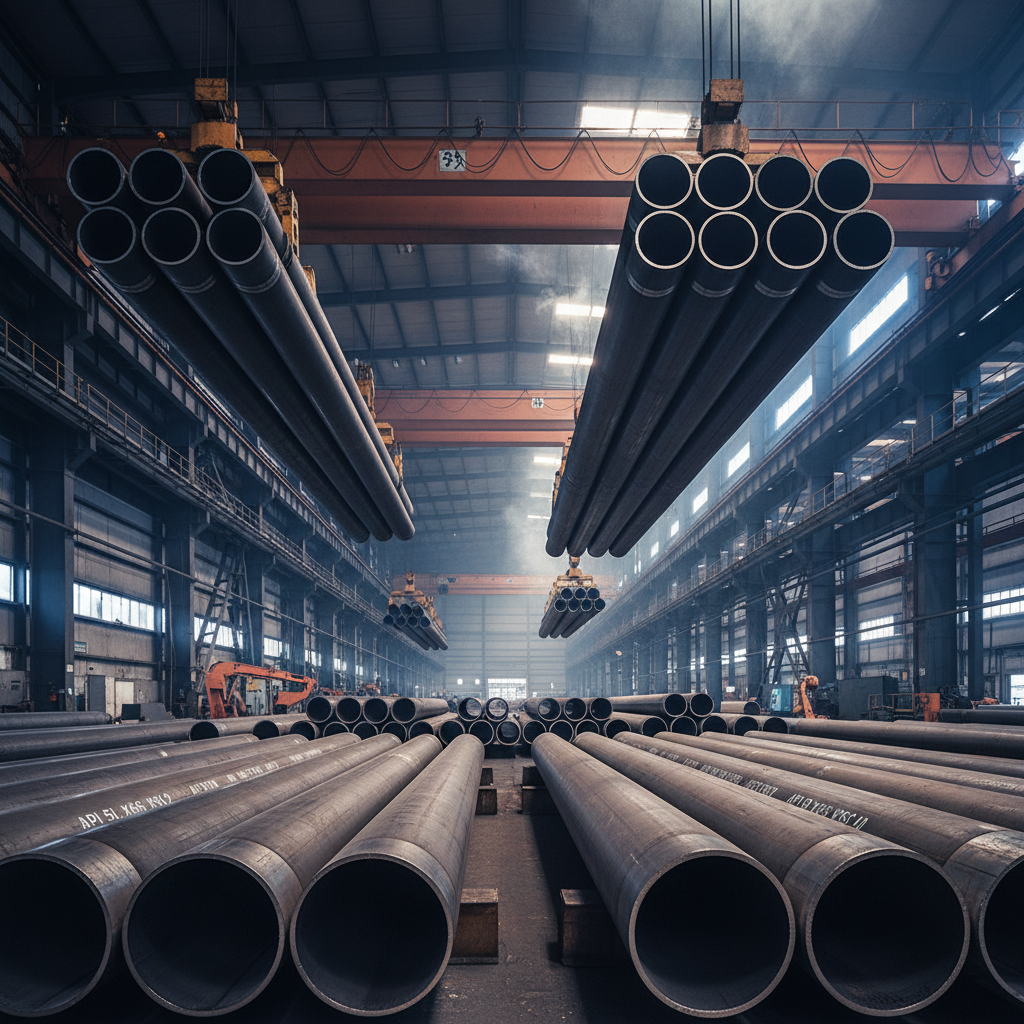
From a global perspective, the api 5l x65 psl2 specification is an indispensable pillar of the oil and gas transport network. With the world relying on massive pipeline systems to move energy across continents, the demand for materials that offer both high yield strength and exceptional fracture toughness is non-negotiable. The X65 grade provides the optimal balance, allowing for thinner wall thicknesses—which reduces shipping costs—without compromising the structural integrity of the system.
Moreover, the shift toward PSL2 (Product Specification Level 2) reflects an industry-wide movement toward zero-failure tolerance. By integrating stricter requirements for chemical composition and mandatory Charpy V-notch impact testing, the api 5l x65 psl2 specification addresses the critical challenge of brittle fracture, particularly in Arctic or deep-sea environments where temperature drops can make standard steel dangerously fragile.
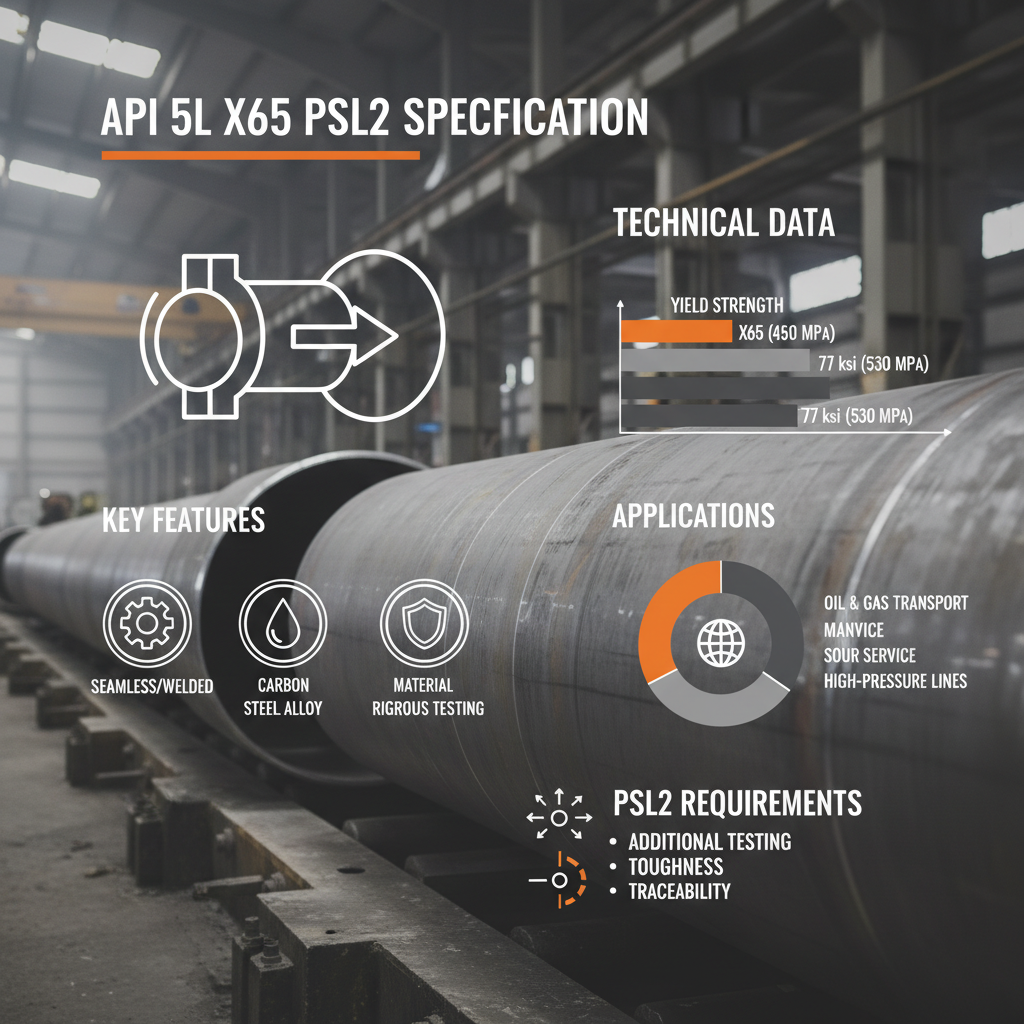
In simple terms, the api 5l x65 psl2 specification defines the requirements for seamless and welded steel line pipes. The "X65" denotes a minimum yield strength of 65,000 psi, while "PSL2" signifies a more rigorous quality level compared to PSL1. This distinction is vital; PSL2 pipes undergo more comprehensive testing and have tighter tolerances on chemistry, ensuring the material is homogeneous and reliable throughout the entire length of the pipe.
This specification is directly linked to modern humanitarian and economic needs by ensuring the safe delivery of heating fuels and raw chemical materials to urban centers. When a pipeline adheres to the api 5l x65 psl2 specification, it minimizes the risk of environmental leaks and industrial accidents, thereby protecting local ecosystems and the communities living adjacent to these critical energy arteries.
Furthermore, the scope extends beyond simple strength. It encompasses the weldability of the steel, ensuring that field joints can be fused with high precision. Because the api 5l x65 psl2 specification limits carbon equivalents, it prevents the formation of hard, brittle zones in the heat-affected area of welds, which is where most pipeline failures historically occur.
The durability of materials under the api 5l x65 psl2 specification is achieved through precise alloying. Elements such as niobium, vanadium, and titanium are often added to refine the grain structure of the steel, enhancing its resistance to deformation and corrosion. This metallurgical precision ensures that the pipe can handle high-pressure surges without permanent deformation.
A central component of the api 5l x65 psl2 specification is the mandatory toughness requirement. Unlike PSL1, PSL2 requires impact testing to ensure the steel remains ductile at low temperatures. This prevents "running fractures," where a small crack can propagate across miles of pipeline in seconds—a failure mode that has historically led to massive industrial disasters.
Cost efficiency is also integrated into the api 5l x65 psl2 specification through the optimization of the strength-to-weight ratio. By utilizing X65 grade steel, engineers can design systems that use less total steel while maintaining the same safety factor as lower-grade, thicker-walled pipes, resulting in significant savings in both material procurement and transportation logistics.
When evaluating the performance of api 5l x65 psl2 specification materials, we look at a combination of yield strength, tensile strength, and elongation. These metrics determine how the pipe will react under seismic stress or ground movement. A pipe that follows the PSL2 standard offers superior predictability, allowing operators to calculate exact safety margins with high confidence.
The interaction between chemical composition and mechanical properties is what makes the api 5l x65 psl2 specification so effective. By controlling the sulfur and phosphorus content, the specification ensures that the steel is less prone to internal impurities, which in turn enhances the pipe's resistance to Hydrogen-Induced Cracking (HIC) and Stress Corrosion Cracking (SCC).
The api 5l x65 psl2 specification is widely deployed across diverse geographical regions. In the Middle East, it is the standard for cross-desert oil transmission lines where extreme heat can fluctuate with night-time cold. In North America, it is frequently used for natural gas pipelines that traverse mountainous terrains, where the steel must withstand significant bending stresses during installation.
Beyond traditional oil and gas, we see the api 5l x65 psl2 specification being adapted for hydrogen transport projects. As the world pivots toward green energy, the high-strength, low-impurity nature of PSL2 steel makes it a prime candidate for blending hydrogen into existing natural gas grids, provided that specific embrittlement safeguards are also implemented.
The long-term value of investing in api 5l x65 psl2 specification piping lies in the dramatic reduction of lifecycle maintenance costs. Because PSL2 materials are more resistant to crack initiation and propagation, the frequency of mandatory "pigging" (internal inspection) and repair interventions is reduced, allowing for higher operational uptime.
From an emotional and ethical standpoint, the adoption of the api 5l x65 psl2 specification is about trust and dignity. When an energy company commits to PSL2 over the cheaper PSL1, they are making a statement about their commitment to the safety of the workers who install the pipes and the civilians who live above them. It transforms a piece of industrial hardware into a guarantee of public safety.
Furthermore, the reliability of these materials fosters innovation. With a stable and predictable foundation provided by the api 5l x65 psl2 specification, engineers can push the boundaries of pipeline depth and pressure, enabling the extraction of resources from previously unreachable remote industrial zones, thereby enhancing global energy independence.
Looking forward, the api 5l x65 psl2 specification is evolving to integrate with "Smart Pipe" technologies. This involves the embedding of fiber-optic sensors within the pipe coating, allowing for real-time monitoring of strain and corrosion. The high-grade steel of PSL2 provides the perfect stable substrate for these sensitive electronic systems to function over decades.
Sustainability is also driving changes in how we achieve the api 5l x65 psl2 specification. There is a growing trend toward "Green Steel" production, using hydrogen-based reduction instead of coking coal in the blast furnace. This ensures that the high-performance pipes of tomorrow are not only safe in operation but also produced with a minimal carbon footprint.
Automation in the manufacturing process is further refining the consistency of the api 5l x65 psl2 specification. AI-driven quality control systems can now detect microscopic anomalies in the steel's grain structure during the rolling process, ensuring that every single meter of pipe exceeds the minimum requirements of the specification.
| Material Grade | Strength Level | Toughness Rating | Application Suitability |
|---|---|---|---|
| X65 PSL1 | Standard (65ksi) | Medium | Low-risk urban zones |
| X65 PSL2 Basic | High (65ksi) | High | Mainline transmission |
| X65 PSL2 Sour | High (65ksi) | Very High | H2S Corrosive environments |
| X70 PSL2 | Ultra-High (70ksi) | High | Deep-sea exploration |
| X65 Arctic Grade | High (65ksi) | Extreme | Permafrost regions |
| X65 Standard Seamless | High (65ksi) | High | High-pressure clusters |
The primary difference lies in the rigor of quality control. PSL2 (Product Specification Level 2) requires mandatory toughness testing (Charpy V-notch), stricter limits on chemical composition (such as carbon and sulfur), and more comprehensive non-destructive testing. While PSL1 is suitable for general applications, PSL2 is mandatory for high-pressure pipelines or those operating in harsh environments where material failure could be catastrophic.
Yes, but it requires additional requirements. For "Sour Service" (environments containing H2S), the api 5l x65 psl2 specification can be supplemented with Annex H. This includes stricter controls on hardness and sulfur content to prevent Hydrogen-Induced Cracking (HIC) and Sulfide Stress Cracking (SSC), ensuring the pipe doesn't become brittle in the presence of corrosive gases.
The "X65" grade indicates a high yield strength of 65,000 psi. Because the steel is stronger, engineers can achieve the required internal pressure rating using a thinner wall compared to X42 or X52 grades. This reduction in wall thickness leads to a lighter pipe, which significantly lowers transportation costs and speeds up the installation process without sacrificing the overall safety of the system.
Certification typically involves a series of rigorous tests: Hydrostatic testing to check for leaks, Tensile testing to verify yield and ultimate strength, and Impact testing to ensure low-temperature toughness. For PSL2, these tests are mandatory and must be documented in a Material Test Report (MTR), which provides the end-user with a verifiable trail of the pipe's chemical and mechanical properties.
They can, but caution is required. Hydrogen can cause "hydrogen embrittlement," where the gas penetrates the steel lattice and makes it brittle. The high-quality, low-impurity nature of PSL2 steel makes it a better starting point than PSL1, but specific modifications in chemistry and a strict adherence to smoothness (to avoid stress concentrators) are necessary for pure hydrogen transport.
Limiting the Carbon Equivalent is crucial for weldability. High carbon levels increase the risk of the steel forming a hard, brittle martensitic structure during the cooling process after welding. By keeping the CE low, the api 5l x65 psl2 specification ensures that the pipe can be welded in the field without the need for expensive pre-heating or the risk of weld-zone cracking.
The api 5l x65 psl2 specification is far more than a technical checklist; it is a comprehensive safety system that ensures the reliability of the world's most critical energy corridors. By balancing high yield strength with mandatory toughness and strict chemical controls, this specification minimizes industrial risk, optimizes material costs, and protects the environments in which these pipelines operate.
As we move toward a future defined by energy transition and smarter infrastructure, the principles of the api 5l x65 psl2 specification will remain the foundation for innovation. Whether transporting natural gas today or hydrogen tomorrow, adhering to these high standards is the only way to ensure a sustainable and safe energy future. For those seeking premium materials that meet these exact standards, we invite you to explore our comprehensive inventory. Visit our website: www.benkoometal.com
If you are interested in our products, you can choose to leave your information here, and we will be in touch with you shortly.