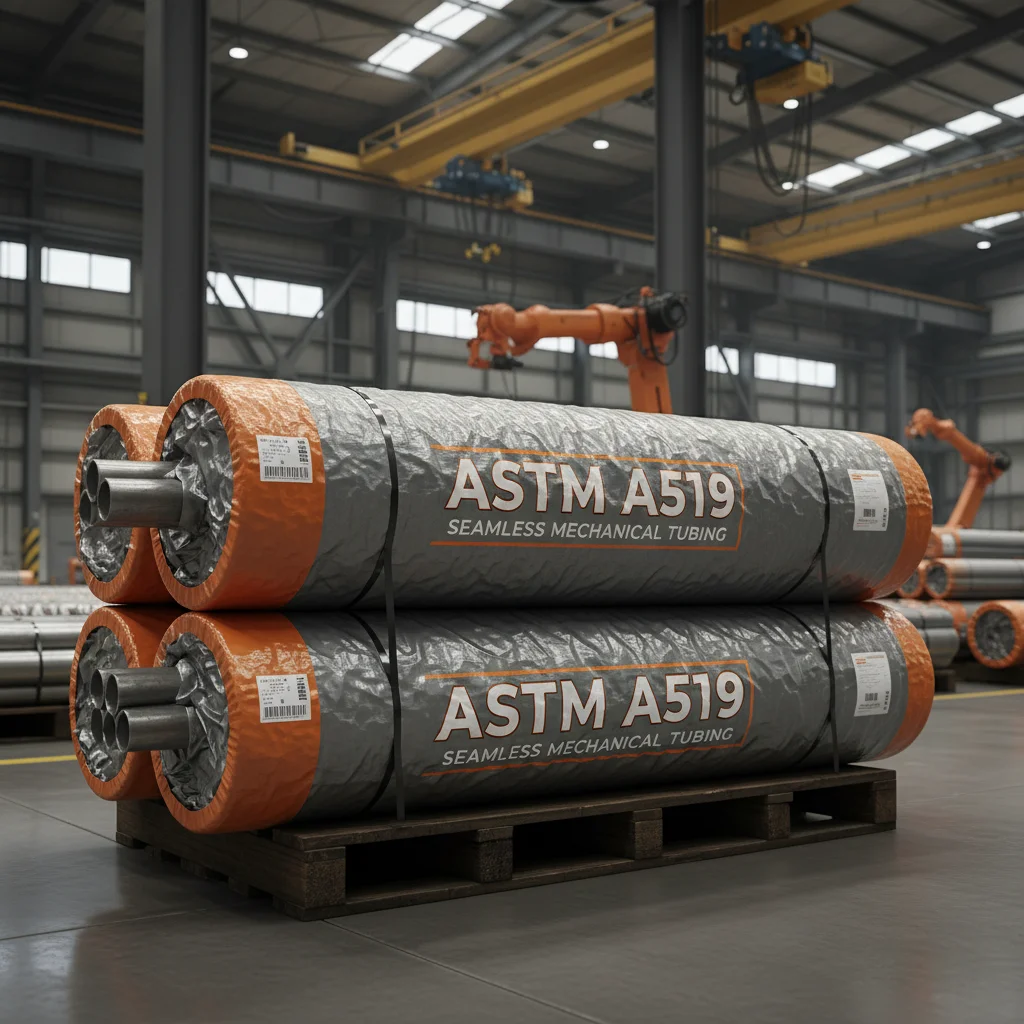
When it comes to high-performance fluid transport and structural integrity in corrosive environments, the 316 stainless pipe stands as the gold standard for engineers and procurement specialists worldwide. This specialized alloy, known for its exceptional resilience against chlorides and acids, ensures that critical infrastructure remains operational under the most grueling conditions, from deep-sea oil rigs to pharmaceutical laboratories.
Understanding the nuances of 316 stainless pipe is not merely a matter of selecting a material, but a strategic decision that impacts the lifecycle cost, safety, and sustainability of an industrial project. By integrating molybdenum into its composition, this piping solution offers a level of pitting resistance that standard stainless steels cannot match, effectively mitigating the risk of catastrophic failure in saline or chemical-rich atmospheres.
In a global market increasingly focused on longevity and "green" engineering, the adoption of 316 stainless pipe reflects a commitment to quality over short-term savings. Whether it is used in complex heat exchangers or simple architectural railings, the material provides a seamless blend of aesthetic appeal and industrial-grade strength that defines modern manufacturing excellence.
Global Industrial Relevance of 316 Stainless Pipe
The global demand for 316 stainless pipe is driven by the expansion of the chemical processing and marine industries. As ISO standards for material durability become more stringent, industries are shifting away from carbon steels toward molybdenum-bearing alloys to prevent premature corrosion. In coastal regions and offshore platforms, the salinity of the air and water creates an aggressive environment where standard materials degrade rapidly, making the 316 grade essential for operational safety.
Statistically, the move toward high-grade stainless steel correlates with a reduction in unplanned maintenance downtime across the energy sector. By implementing 316 stainless pipe, enterprises can extend the mean time between failures (MTBF) for their piping systems by several years compared to 304-grade alternatives, thereby securing a more stable production cycle and reducing the environmental risk of leaks.
Defining the Technical Essence of 316 Stainless Pipe
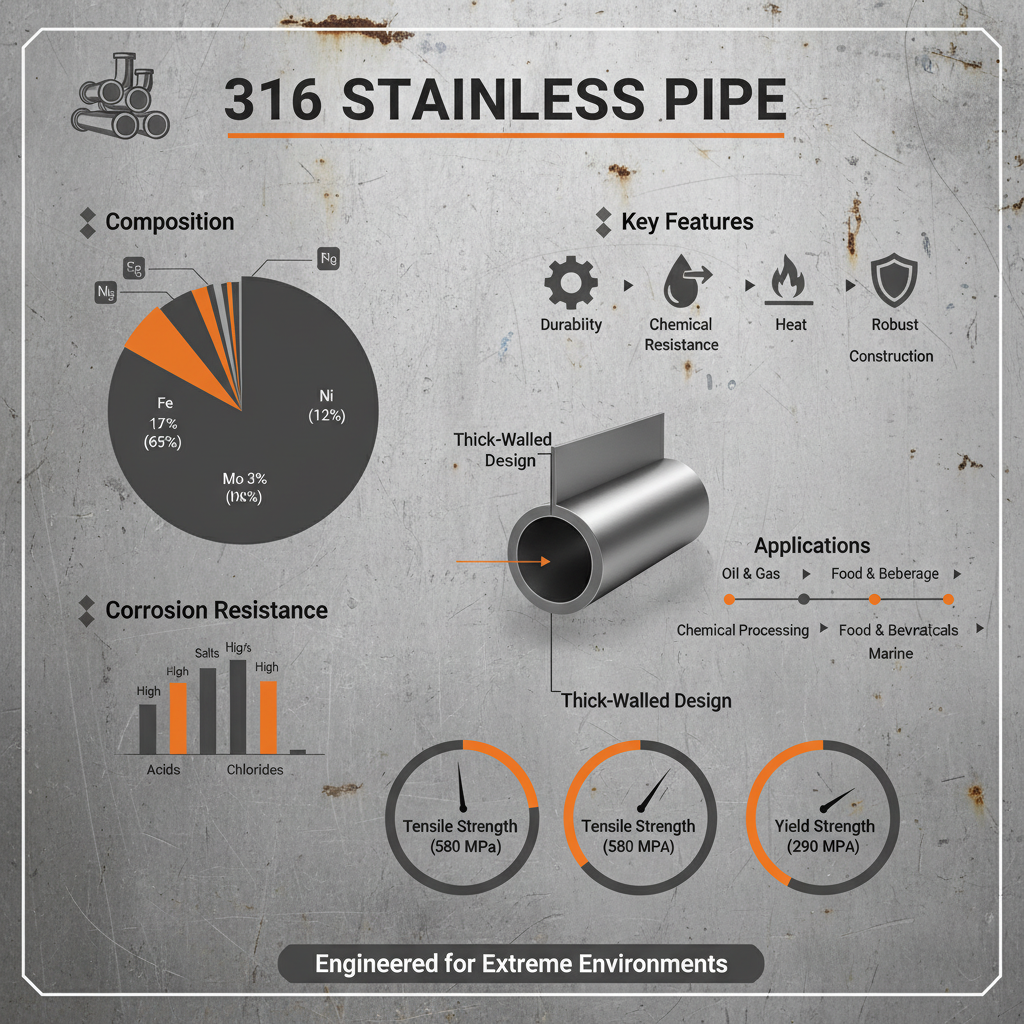
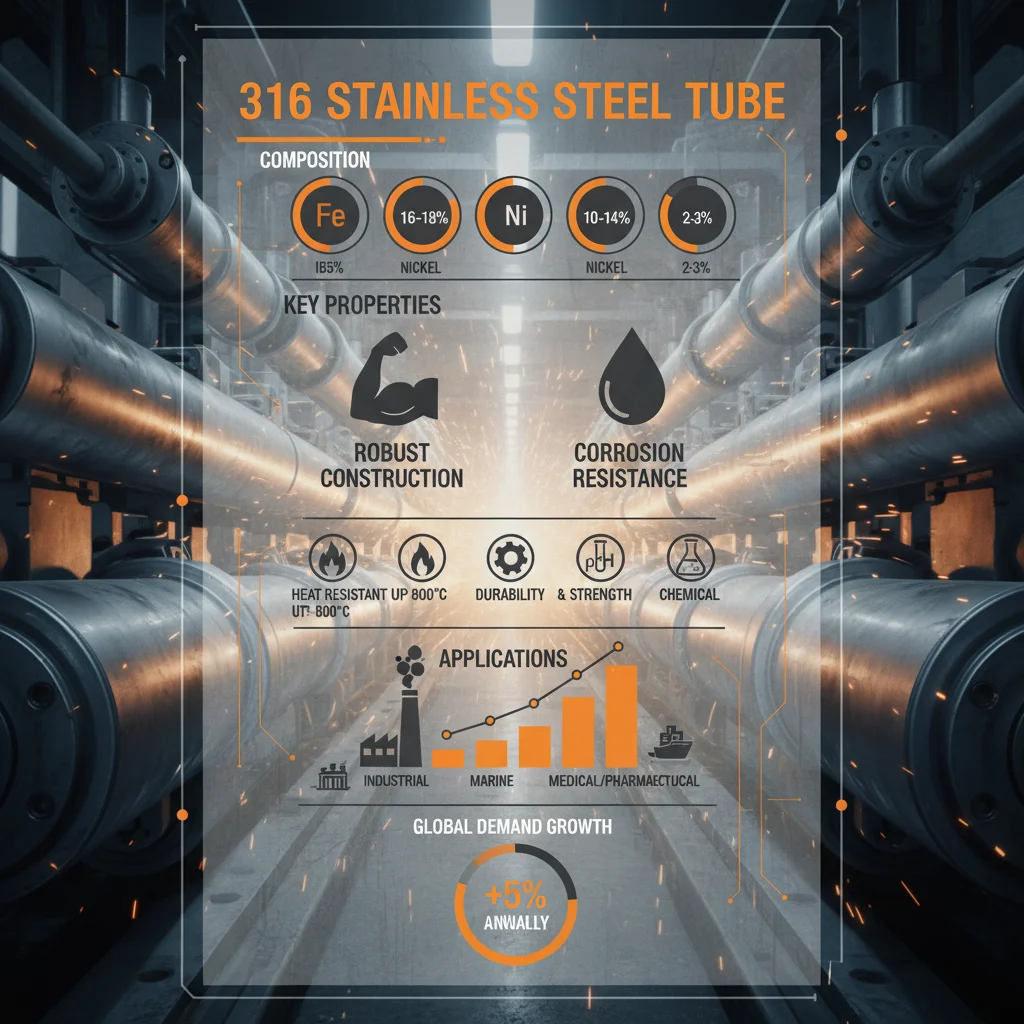
At its core, 316 stainless pipe is an austenitic chromium-nickel steel that contains the critical addition of molybdenum (usually 2-3%). This chemical modification transforms the material's behavior in the presence of chlorides, creating a passive oxide layer that is far more stable and self-healing than that of other stainless grades. It is effectively the "marine-grade" solution for fluid transport.
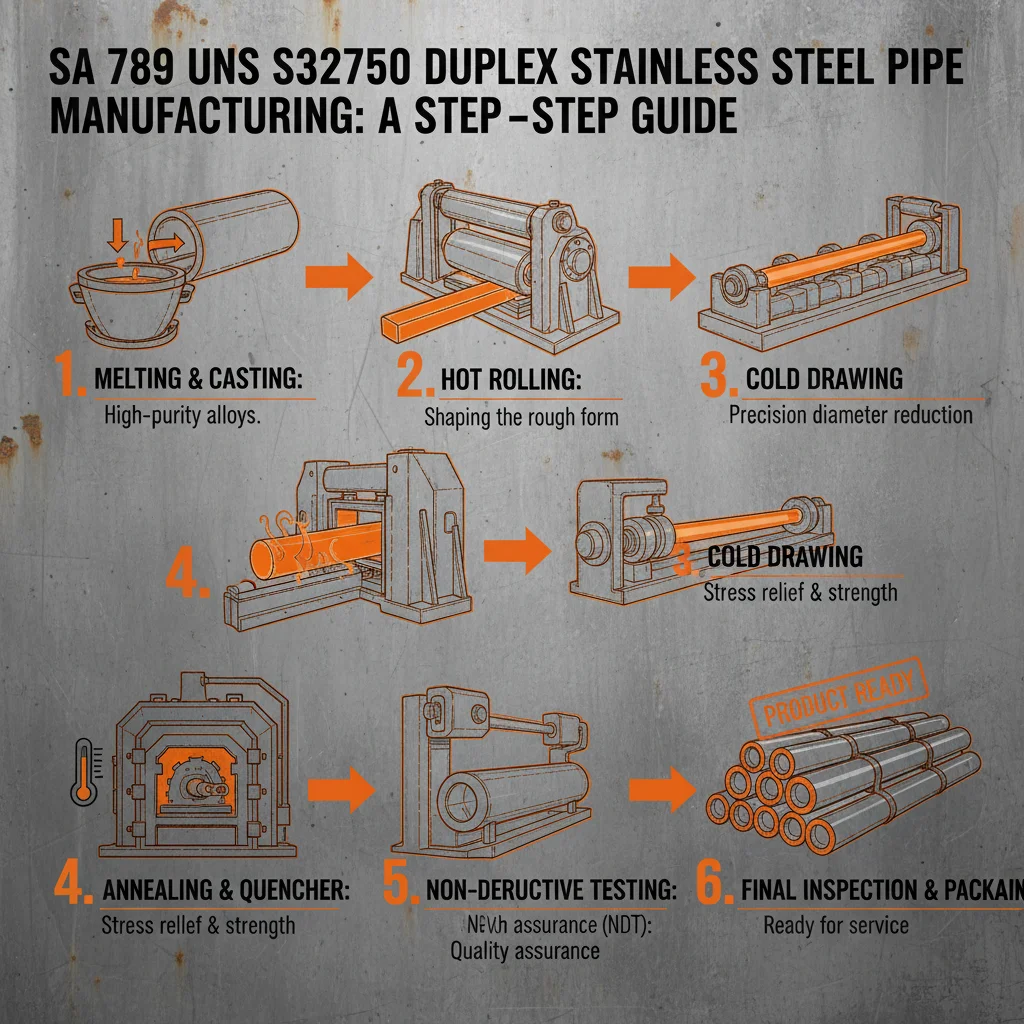
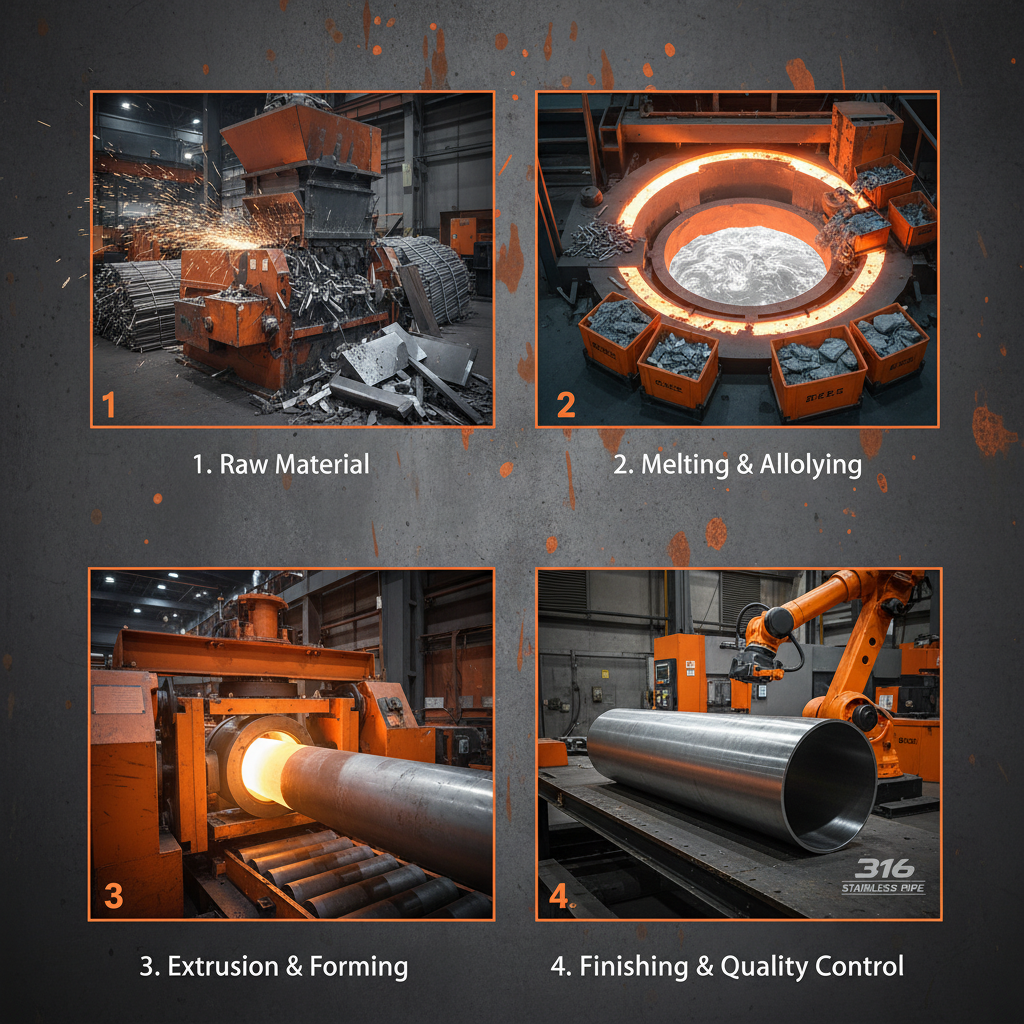
Beyond the chemistry, the "pipe" aspect involves precise rolling and welding or seamless extrusion processes that ensure uniform wall thickness and pressure ratings. Whether it is a seamless variant for high-pressure hydraulic systems or a welded version for general industrial conveyors, the 316 alloy ensures that the pipe maintains its structural integrity even when subjected to extreme thermal cycling.
In modern humanitarian and medical contexts, this material is indispensable. From the oxygen delivery lines in hospitals to the desalination plants providing fresh water in arid regions, the non-reactive nature of 316 stainless pipe prevents contamination, ensuring that the purity of the transported medium is never compromised by the conduit itself.
Core Components and Performance Factors
The primary factor determining the success of 316 stainless pipe is its superior corrosion resistance. The synergy between chromium and molybdenum prevents "pitting"—the creation of microscopic holes that can lead to sudden bursts. This makes the pipe an ideal candidate for handling aggressive chemicals such as sulfuric acid or saltwater.
Durability is further enhanced by the material's mechanical strength. A 316 stainless pipe provides a high strength-to-weight ratio, allowing for thinner walls without sacrificing pressure capacity. This scalability allows engineers to design lighter systems that are easier to install while maintaining a high safety factor.
From a cost-efficiency perspective, while the initial investment in 316 stainless pipe is higher than that of 304 or carbon steel, the Total Cost of Ownership (TCO) is significantly lower. The reduction in replacement frequency and the elimination of expensive protective coatings provide a logical financial advantage for long-term industrial assets.
Comparative Efficiency of Piping Materials
When comparing different alloys, the performance of 316 stainless pipe becomes evident when measured against corrosive stress and temperature fluctuations. While plastic pipes may resist corrosion, they fail under high pressure and heat. Conversely, carbon steel handles pressure but succumbs to rust. The 316 grade bridges this gap, offering the strength of steel with the chemical inertness required for specialized fluids.
To better visualize the trade-offs, we evaluate various configurations of stainless piping based on industry-standard metrics such as longevity, chloride resistance, and ease of fabrication. The following data highlights why the 316 variant is often the preferred choice for critical infrastructure.
Performance Analysis of 316 Stainless Pipe Variants
Real-World Applications Across Global Sectors
In the pharmaceutical and food processing industries, cleanliness is non-negotiable. The 316 stainless pipe is utilized here because its smooth internal surface prevents bacterial growth and resists the caustic cleaning agents used in "Clean-in-Place" (CIP) systems. This ensures that medication and food products remain untainted from the production line to the packaging stage.
Looking toward heavy industry, the oil and gas sector relies on this material for subsea pipelines and refinery manifolds. In remote industrial zones, where maintenance crews may take days to arrive, the reliability of 316 stainless pipe prevents costly leaks and environmental disasters, providing peace of mind and operational continuity in the most isolated corners of the globe.
Long-Term Value and Sustainability Benefits
The long-term value of 316 stainless pipe extends beyond simple durability; it is a cornerstone of sustainable industrial design. Because the material is 100% recyclable without loss of quality, it supports a circular economy. Companies that invest in high-grade piping today are essentially securing a material asset that can be reclaimed and repurposed decades from now.
From an emotional and ethical standpoint, using the best available material is a matter of trust and safety. When a bridge railing or a chemical conduit is made from 316 stainless pipe, it signals a commitment to the safety of the workers and the public. This reliability fosters a culture of innovation, as engineers feel confident pushing the boundaries of design knowing their materials won't fail.
Furthermore, the reduction in chemical coatings and paint needed for 316 stainless pipe means fewer Volatile Organic Compounds (VOCs) are released into the atmosphere. This logical approach to material selection aligns industrial growth with global environmental targets, proving that high performance and ecological responsibility can coexist.
Future Innovations in Stainless Steel Processing
The future of 316 stainless pipe is being reshaped by digital transformation and additive manufacturing. We are seeing the emergence of "smart pipes" where sensors are embedded within the alloy structure to monitor corrosion in real-time. This integration of IoT allows for predictive maintenance, moving the industry from a reactive "fix-it-when-it-breaks" model to a proactive one.
Additionally, advancements in laser-welding and precision rolling are allowing for the creation of 316 stainless pipe with tighter tolerances and superior surface finishes. These innovations reduce turbulence in fluid flow, thereby increasing energy efficiency in pumping systems and reducing the overall carbon footprint of industrial plants.
As green hydrogen becomes a viable energy source, the demand for materials that can handle high-pressure hydrogen gas without embrittlement is rising. The 316 stainless pipe is at the forefront of this transition, with new heat-treatment processes enhancing its resistance to hydrogen-induced cracking, ensuring it remains the backbone of the energy transition.
Technical Specifications and Application Suitability of 316 Stainless Pipe
|
Pipe Variant
|
Corrosion Resistance (1-10)
|
Pressure Capacity
|
Primary Sector
|
| 316L Seamless |
10 |
Ultra-High |
Nuclear/Pharma |
| 316 Welded |
8 |
Medium-High |
Food Processing |
| 316 Cold Drawn |
9 |
High |
Precision Machinery |
| 316 Ornamental |
7 |
Low |
Architecture |
| 316 Heavy Wall |
9 |
Extreme |
Offshore Oil/Gas |
| 316 Thin-Wall |
8 |
Low-Medium |
Laboratory Equipment |
FAQS
The primary difference is the addition of molybdenum in 316 stainless pipe, which significantly enhances its resistance to pitting and crevice corrosion, especially in chloride-rich environments like seawater. While 304 is excellent for general use, 316 is necessary for marine or chemical applications where corrosion risk is high.
Yes, it is one of the safest materials available. Due to its non-reactive surface and high resistance to corrosion, 316 stainless pipe prevents leaching of metals into the fluid and is easy to sterilize, meeting the strict hygiene requirements of FDA and ISO standards for food and beverage production.
Yes, but care must be taken. Using 316L (the low-carbon version) is recommended for welding to prevent "carbide precipitation" at the weld seam, which can lead to intergranular corrosion. With the correct filler material and welding technique, the pipe maintains its full corrosion resistance.
Seamless pipe is preferred for high-pressure applications and critical safety systems because it has no weld seam (the weakest point). Welded pipe is more cost-effective and is typically used for low-to-medium pressure applications where the internal fluid is less aggressive.
Depending on the environment and maintenance, a 316 stainless pipe system can last 30 to 50 years, and in some cases, even longer. This longevity is why it is often chosen over cheaper alternatives that would require replacement every 5 to 10 years in corrosive settings.
The best way to verify the grade is to request a Mill Test Report (MTR) from the supplier. This document provides the exact chemical composition and mechanical properties of the heat from which the pipe was made. Additionally, handheld XRF analyzers can be used for instant on-site verification.
Conclusion
In summary, the 316 stainless pipe is an indispensable asset in the modern industrial landscape, providing an unmatched combination of corrosion resistance, structural strength, and long-term sustainability. From its critical role in protecting public health through pharmaceutical purity to its ability to withstand the harsh salinity of the open ocean, the 316 grade ensures that infrastructure is not just built, but built to last.
As we move toward a future defined by green energy and smarter manufacturing, the continued evolution of stainless steel processing will only increase the value of this material. We recommend that procurement officers and engineers prioritize the lifecycle value over initial costs to ensure the highest standards of safety and efficiency. To source premium-grade materials for your next project, visit our website: www.benkoometal.com.