Understanding ASME A106 Grade B Steel Pipe
ASME A106 Grade B steel pipe is a commonly used seamless carbon steel pipe in high-temperature and high-pressure applications. Widely employed in industries like oil & gas, petrochemicals, and power generation, this pipe's robust properties make it a crucial component in various systems. This article delves into the specifications, applications, benefits, and considerations for using ASME A106 Gr. B steel pipe. Choosing the right material is vital for ensuring the safety, reliability, and longevity of your projects. Understanding its chemical composition and mechanical properties is paramount for engineers and procurement professionals.
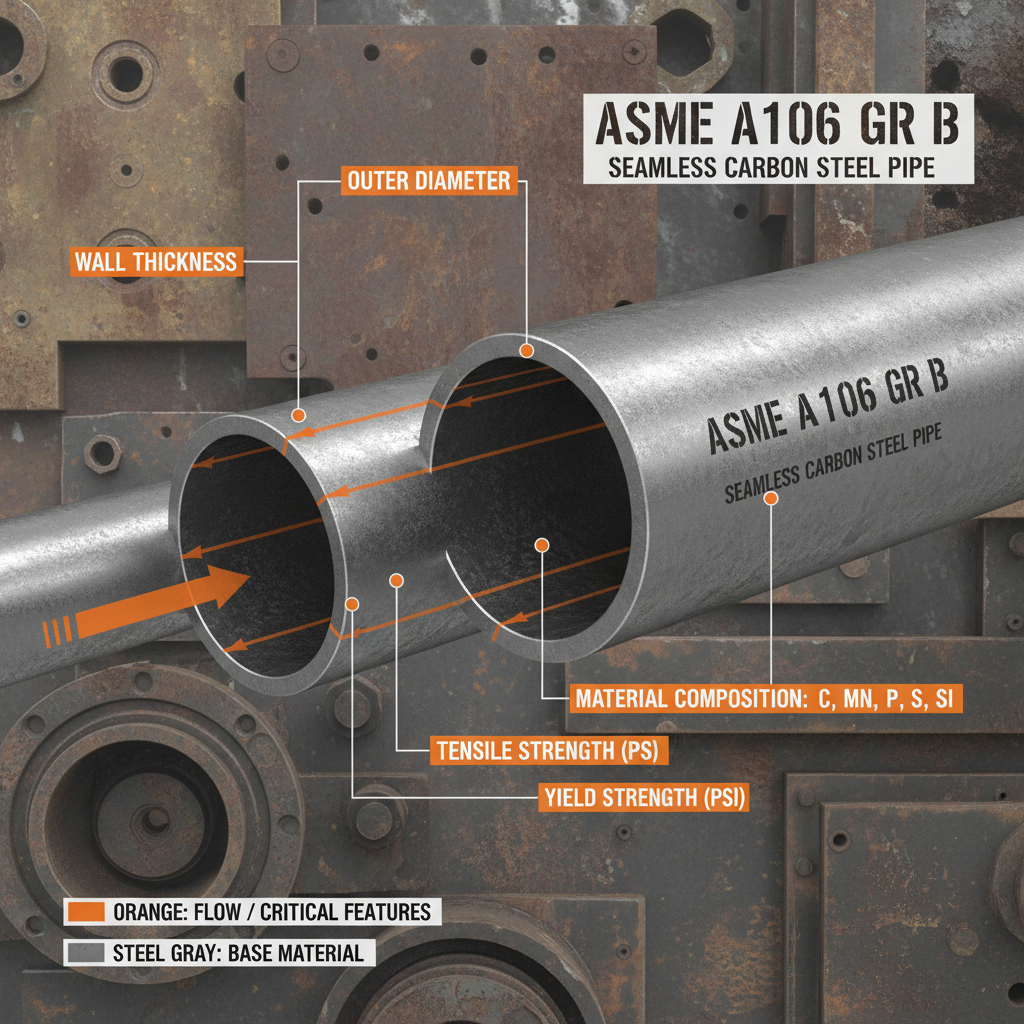
What is ASME A106 Grade B Steel?
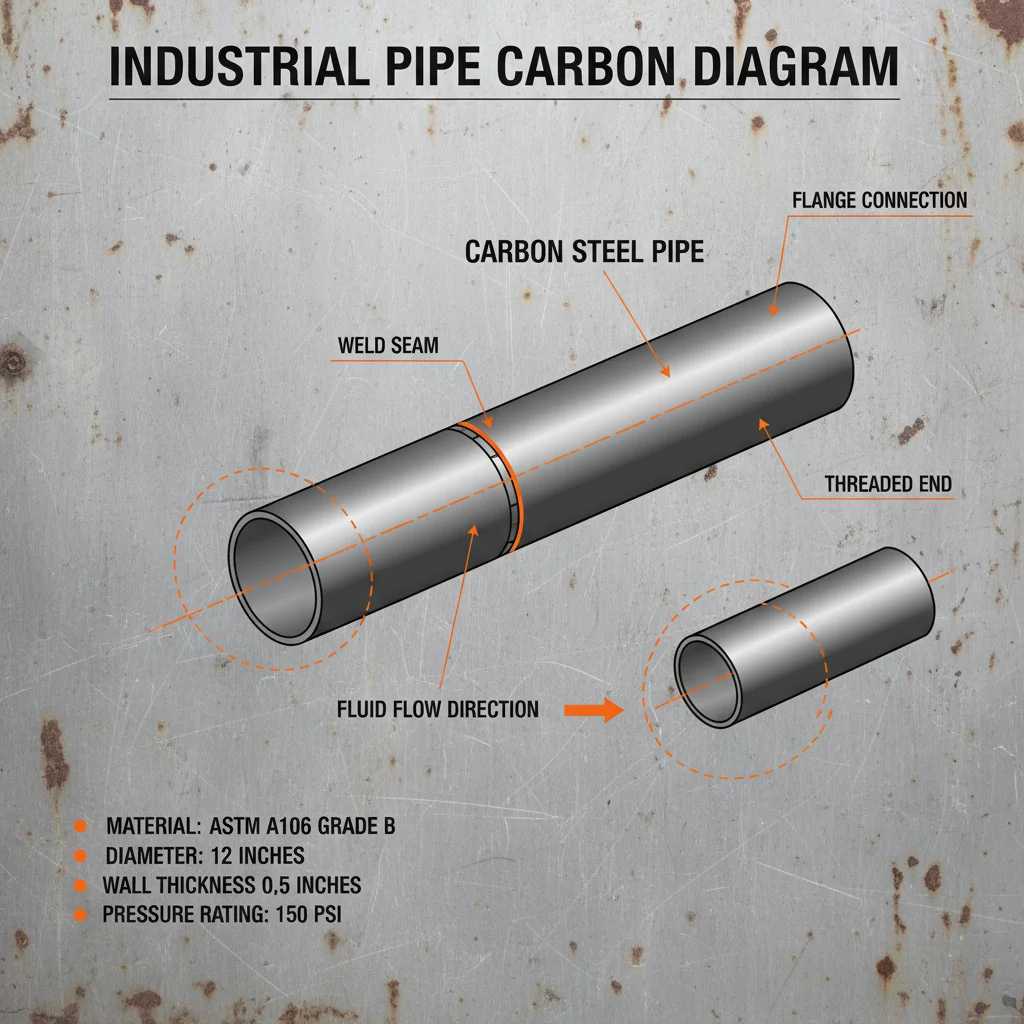
ASME A106 Grade B is a specification for seamless carbon steel pipe intended for high-temperature service. It’s renowned for its strength, weldability, and resistance to corrosion in moderate environments. The "seamless" designation indicates the pipe is manufactured without a welded seam, resulting in a more uniform structure and higher pressure-bearing capacity. This grade is frequently selected for applications where reliability and safety are paramount. Benkoo Metal supplies high-quality A106 Gr. B steel pipe, meeting rigorous industry standards.
Key Highlights: Seamless construction, high-temperature service capability, excellent weldability, and robust corrosion resistance.
Chemical Composition of ASME A106 Grade B
The chemical composition of ASME A106 Grade B steel is crucial in determining its mechanical properties and suitability for specific applications. The specification outlines maximum percentages for various elements. Here’s a breakdown of the typical composition:
Mechanical Properties: Strength and Ductility
The mechanical properties of ASME A106 Grade B are critical for ensuring its performance under stress. These properties are rigorously tested to meet the specification requirements. Here's a comparison to other common steel grades:
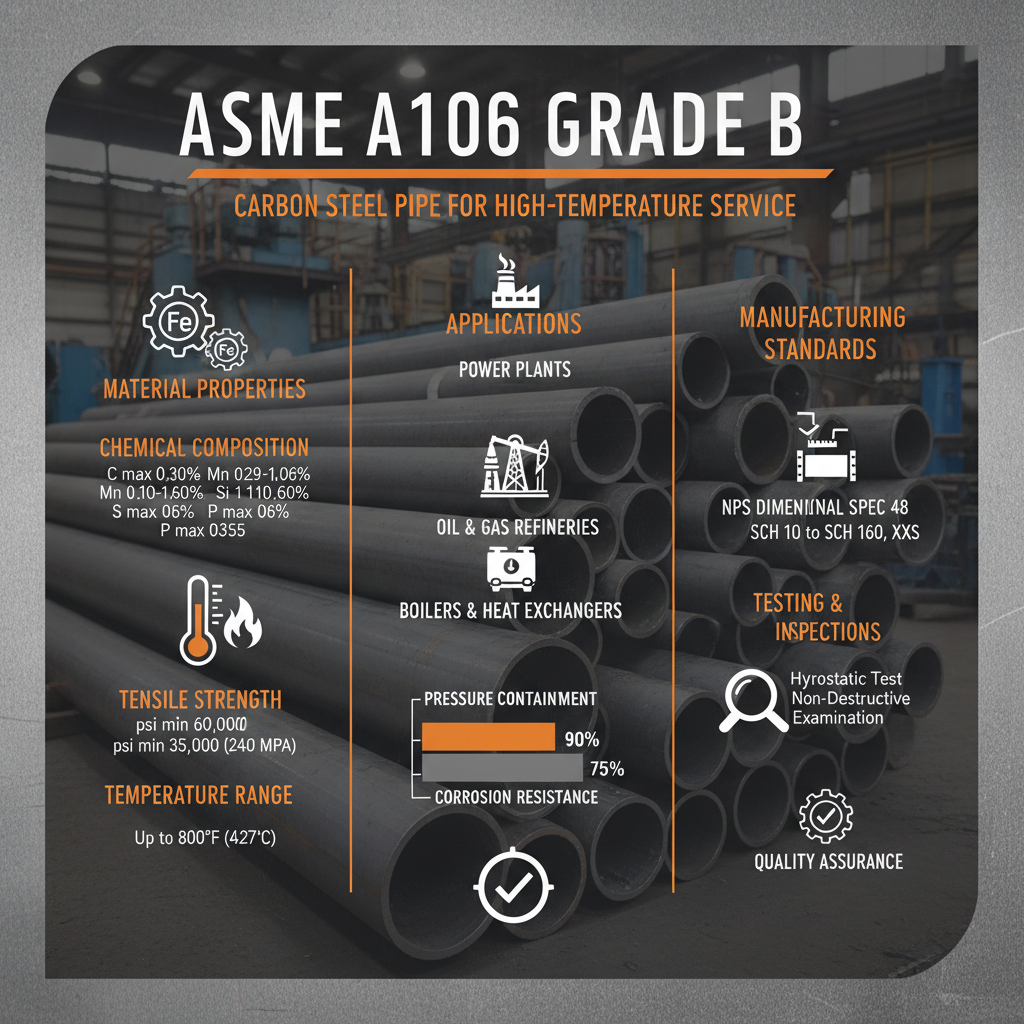
As demonstrated, A106 Gr. B provides a good balance between strength and ductility, making it suitable for demanding applications. The higher yield strength compared to A53 Grade B enables it to withstand higher pressures. Contact Benkoo Metal for detailed material test reports (MTRs) for each shipment.
Applications of ASME A106 Grade B Steel Pipe
ASME A106 Grade B pipe finds widespread use in various critical applications, including:
- Oil and Gas Industry: For transporting crude oil, natural gas, and other petroleum products.
- Petrochemical Plants: For process piping systems handling various chemicals and fluids.
- Power Generation: Used in steam lines and other high-temperature applications.
- Refineries: For transporting refined products and process streams.
- High-Pressure Pipelines: Due to its superior strength and weldability.
Factors to Consider When Selecting ASME A106 Grade B
When selecting ASME A106 Grade B pipe, consider the following factors:
- Temperature Requirements: Ensure the pipe's temperature rating meets the operating temperature of your system.
- Pressure Requirements: Verify the pipe's pressure rating is sufficient for the intended application.
- Corrosion Environment: Evaluate the potential for corrosion and consider appropriate coatings or materials if necessary.
- Weldability: Confirm compatibility with your welding procedures and qualified welders.
- Supplier Quality: Choose a reputable supplier like Benkoo Metal who provides certified materials and MTRs.
Conclusion: A Reliable Choice for Critical Applications
ASME A106 Grade B steel pipe remains a cornerstone material in numerous industries due to its robust properties and proven performance. By understanding its specifications, applications, and key considerations, you can make informed decisions to ensure the integrity and safety of your projects. Partner with a trusted supplier like Benkoo Metal to secure high-quality materials and expert support.
Frequently Asked Questions (FAQs)
What is the difference between ASME A106 Grade B and A53 Grade B?
While both are carbon steel pipes, A106 Grade B is designed for higher-temperature and higher-pressure applications compared to A53 Grade B. A106 Gr. B generally has higher yield and tensile strength, making it more suitable for critical systems. A53 Grade B is typically used in lower-pressure and lower-temperature applications, such as water distribution and general structural purposes. The chemical composition also differs slightly, contributing to these performance differences.
Can ASME A106 Grade B pipe be used in corrosive environments?
ASME A106 Grade B offers some resistance to corrosion, but it's not ideal for highly corrosive environments without additional protection. Depending on the specific corrosive agents present, coatings like epoxy, polyurethane, or galvanized coatings can be applied. Alternatively, using a more corrosion-resistant alloy, such as stainless steel, may be necessary. A thorough assessment of the operating environment is crucial for selecting the appropriate material.
What certifications should I look for when purchasing A106 Grade B pipe?
When purchasing ASME A106 Grade B pipe, look for certifications that demonstrate compliance with relevant standards. Essential certifications include a Material Test Report (MTR) confirming the chemical and mechanical properties, as well as certifications verifying adherence to ASME standards. ISO 9001 certification for the supplier's quality management system is also a good indicator of reliability. Benkoo Metal provides all necessary certifications with its products.
What are the common sizes available for ASME A106 Grade B pipe?
ASME A106 Grade B pipe is available in a wide range of sizes, both in terms of diameter and wall thickness. Common diameters range from ½ inch to 36 inches, and wall thicknesses vary from Schedule 40 to Schedule 160, and beyond. Specific sizes and thicknesses can be customized based on project requirements. Contact Benkoo Metal for a complete list of available sizes and to discuss custom options.


-20251219071741.webp "Nickel Alloy Welded Pipes")
-20251219035019.webp "Titanium Round Bar")