
Duplex stainless pipe represents a significant advancement in materials science, offering a compelling combination of strength, corrosion resistance, and cost-effectiveness. Its unique microstructure, featuring a blend of austenitic and ferritic stainless steels, delivers superior performance in demanding applications across a wide range of industries. Understanding the nuances of duplex stainless pipe is crucial for engineers, procurement professionals, and anyone involved in projects where material reliability is paramount.
Globally, the demand for high-performance materials like duplex stainless pipe is steadily increasing, driven by factors such as infrastructure development, the growth of the oil and gas sector, and the need for sustainable solutions in water treatment and chemical processing. The International Organization for Standardization (ISO) plays a key role in defining standards and ensuring quality control in the production and application of these pipes. This growing demand necessitates a thorough understanding of its properties and applications.
Duplex stainless pipe addresses critical challenges related to corrosion, structural integrity, and lifecycle costs in harsh environments. Traditional austenitic stainless steels, while offering excellent corrosion resistance, can be susceptible to stress corrosion cracking and pitting. Duplex stainless pipe mitigates these risks, providing a more robust and long-lasting solution, especially in aggressive chemical environments and marine applications.
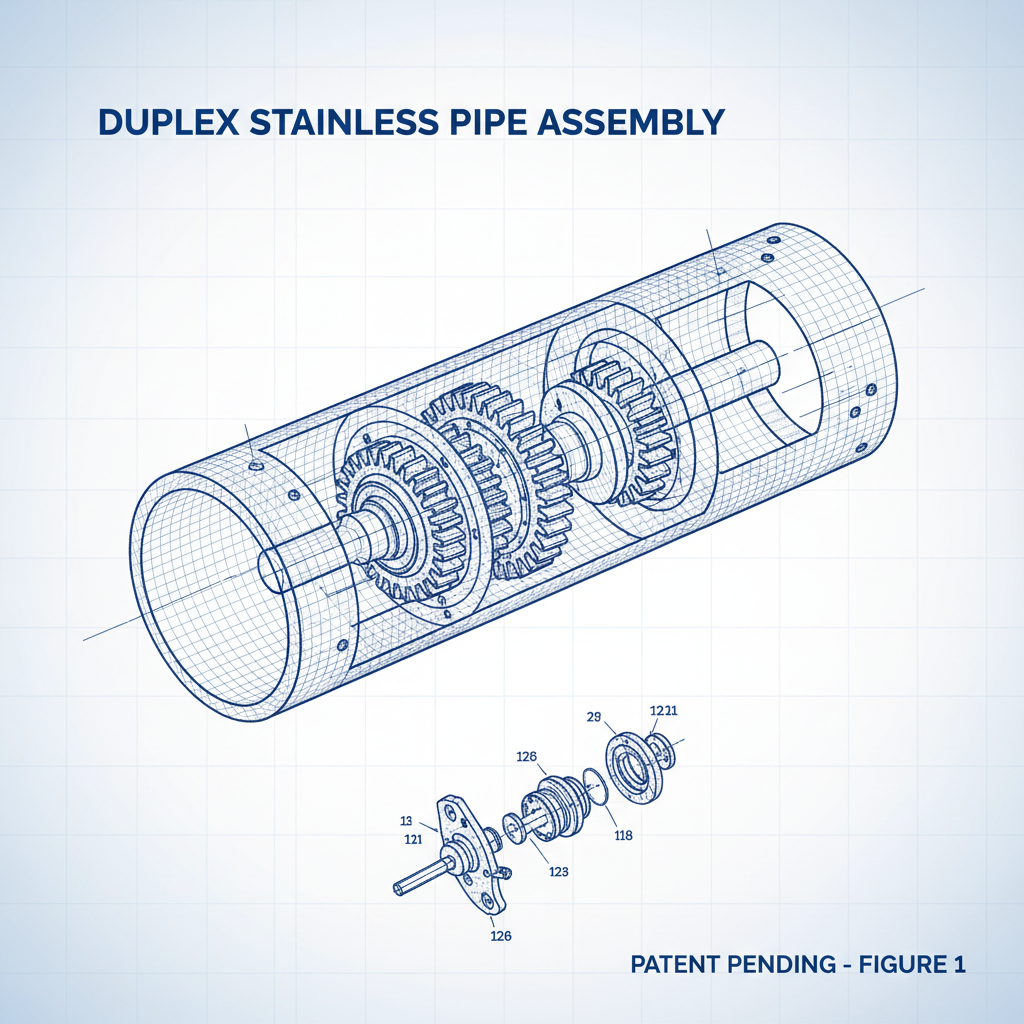
Introduction to Duplex Stainless Pipe
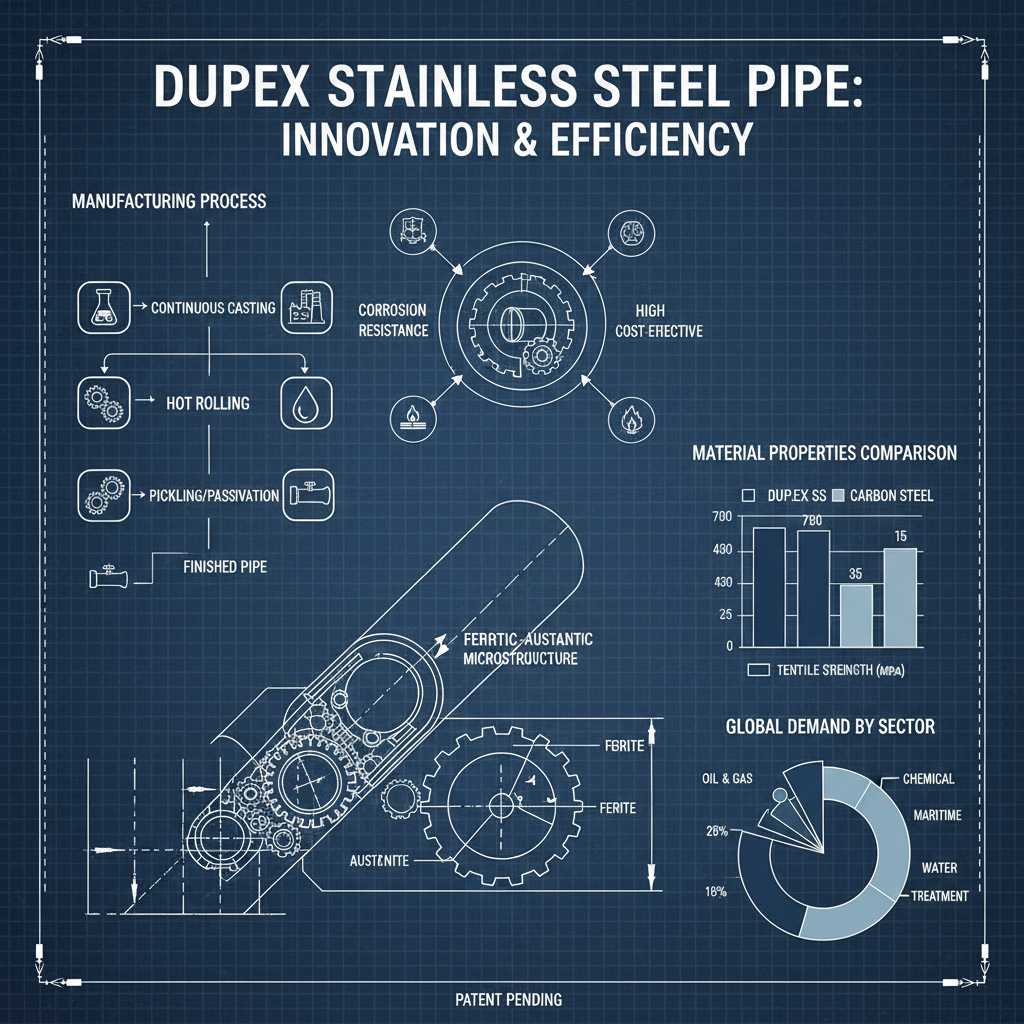
Duplex stainless pipe is increasingly favored in industries demanding high performance and longevity. Its unique combination of austenitic and ferritic phases results in a material that’s not only remarkably strong but also exceptionally resistant to localized corrosion, a significant advantage over traditional stainless steel options. This makes it a preferred choice for applications where failure isn't an option, and maintenance costs need to be minimized.
The growing adoption of duplex stainless pipe is driven by its ability to perform reliably in challenging environments. From offshore oil and gas platforms exposed to harsh marine conditions to chemical processing plants handling corrosive substances, this material consistently delivers. The increased demand also reflects a broader industry trend towards sustainable solutions, as duplex stainless pipe’s extended lifespan reduces the need for frequent replacements.
FAQS
Duplex stainless pipe offers significantly higher strength and improved resistance to stress corrosion cracking compared to standard austenitic grades. It also exhibits superior resistance to pitting and crevice corrosion, particularly in chloride-containing environments. This translates to longer service life, reduced maintenance costs, and enhanced safety in demanding applications. While initial material costs may be higher, the overall lifecycle cost is often lower due to its durability.
Duplex stainless pipe excels in harsh environments characterized by corrosive media, high temperatures, and mechanical stress. Common applications include offshore oil and gas, chemical processing, desalination plants, wastewater treatment facilities, and marine infrastructure. It’s particularly well-suited for environments containing chlorides, sulfuric acid, and other aggressive chemicals.
Welding duplex stainless pipe requires careful control of the welding process to maintain the integrity of its microstructure. It’s crucial to minimize heat input, use appropriate filler metals, and avoid prolonged exposure to high temperatures. Post-weld heat treatment may be necessary in some cases to optimize the material’s properties. Employing qualified welders with experience in duplex stainless steel welding is essential.
The initial material cost of duplex stainless pipe is typically higher than that of austenitic stainless steels or carbon steel. However, the long-term lifecycle cost is often lower due to its increased durability, reduced maintenance requirements, and extended service life. When evaluating cost, it’s important to consider the total cost of ownership, including installation, operation, and replacement.
Super duplex stainless pipe, offering even greater corrosion resistance and strength, is used in the most demanding applications. These include subsea pipelines in extremely corrosive seawater, high-pressure chemical processing, and environments with high chloride concentrations and elevated temperatures. It’s often selected when failure is not an option and long-term reliability is paramount.
Yes, duplex stainless pipe contributes to sustainability by offering a significantly longer service life than many other materials, reducing the need for frequent replacements. Its durability minimizes waste and conserves resources. Additionally, stainless steel is fully recyclable, further enhancing its environmental profile. Choosing duplex stainless pipe supports a more sustainable approach to infrastructure and industrial operations.
Conclusion
Duplex stainless pipe represents a significant advancement in materials technology, providing a compelling combination of strength, corrosion resistance, and long-term value. Its unique microstructure and superior performance characteristics make it an ideal choice for a wide range of demanding applications across industries such as oil and gas, chemical processing, water treatment, and marine engineering. By understanding its properties and benefits, organizations can make informed decisions that enhance safety, reduce costs, and promote sustainability.
Looking ahead, continued innovation in alloying techniques, fabrication processes, and digital monitoring systems will further enhance the capabilities of duplex stainless pipe. Investing in this technology is not merely a materials selection choice; it’s a strategic investment in long-term reliability, operational efficiency, and environmental responsibility. For more information on selecting the right duplex stainless pipe solution for your needs, visit our website: www.benkoometal.com.
Related Posts
-
Understanding the API 5L Specification for Seamless and Welded Steel Line Pipe
-
Exploring Titanium Tube Suppliers and Material Considerations for Modern Applications
-
Exploring sa 789 uns s32750 Properties Applications and Global Demand
-
Navigating the Challenges and Innovations in Structural Steel Pipe Applications