Selecting a structural material for high-pressure fluid transport or heavy-duty mechanical support requires a precise balance between mechanical strength and material economy. In industrial engineering, E355 grade steel has emerged as a critical benchmark for those seeking higher yield strengths than standard mild steels without shifting to expensive alloys.
The decision to buy E355 steel tube often stems from a project's need to reduce wall thickness—and thereby overall weight—while maintaining a safety factor capable of withstanding intense operational stress. This shift toward high-strength carbon steel is particularly evident in the oil, gas, and power generation sectors.
This technical guide examines the performance characteristics of E355 seamless piping, the critical parameters for procurement, and how it compares to other industrial standards to ensure operational safety and long-term reliability.

Mechanical Foundations of E355 Steel

E355 steel, often associated with St 52.0 standards, is defined by its minimum yield strength of 355 MPa. Unlike basic carbon steels, it is engineered to provide a higher strength-to-weight ratio, which is essential when the goal is to minimize the dead load of a structure without sacrificing its load-bearing capacity.
The material's internal chemistry is meticulously controlled to maintain a balance between hardenability and weldability. This ensures that when engineers buy E355 steel tube, they receive a product that can be fabricated into complex geometries without risking brittle fractures in the heat-affected zones of welds.
Critical Technical Specifications and Parameters
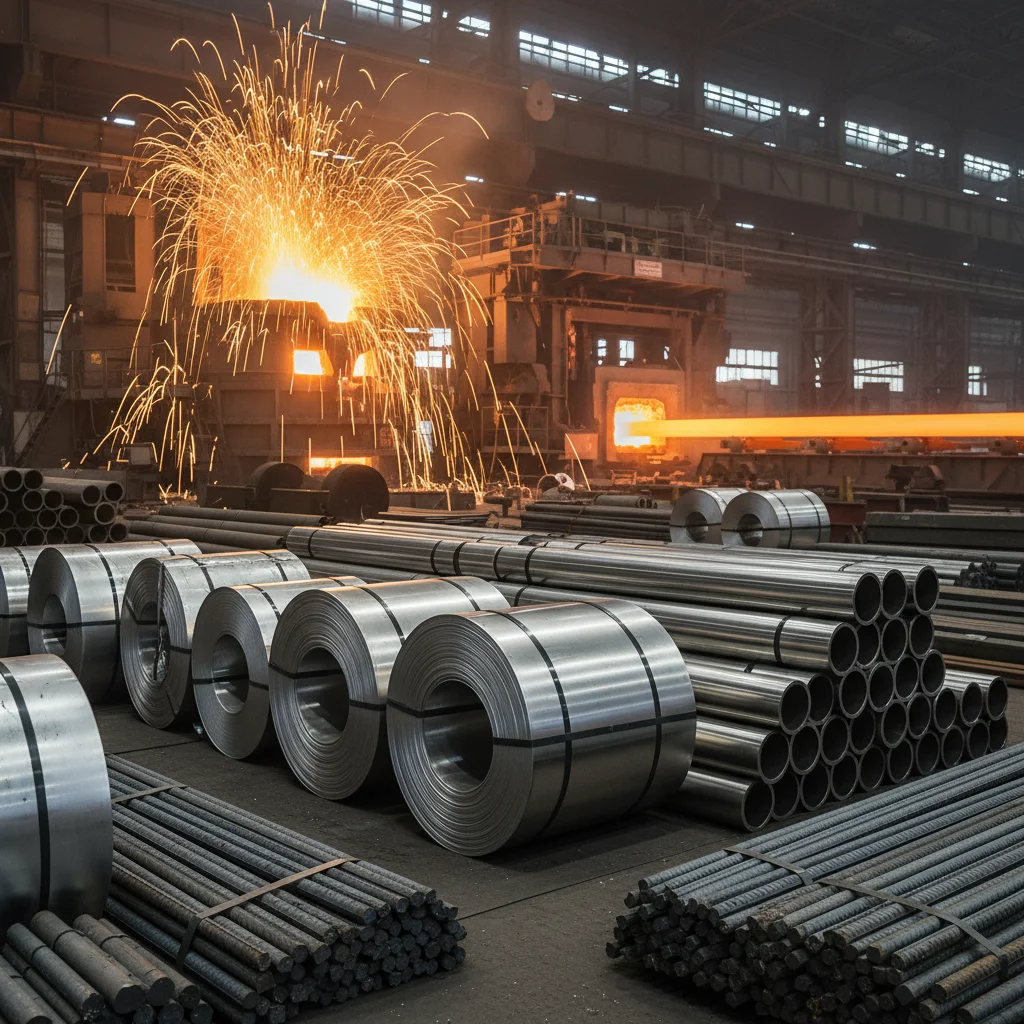
For professional procurement, the physical dimensions of E355 tubing must align with strict project specifications. Typical industrial ranges for these pipes span an outside diameter (OD) from 6mm to 508mm, with maximum wall thicknesses reaching up to 120mm. This versatility allows the material to be used in everything from small-bore hydraulic lines to massive structural piles.
Beyond dimensions, compliance with global standards such as ASTM, API, DIN, and JIS is non-negotiable. E355 tubes are frequently subjected to hydrostatic testing to ensure no leaks under pressure, and Non-Destructive Testing (NDT) methods—including Ultrasonic (UT) and Eddy Current testing—are used to detect internal flaws that could lead to catastrophic failure.
Thermal versatility is another key parameter. While carbon steel is often viewed as a general-purpose material, E355 is stable across a wide temperature spectrum. Depending on the specific alloy treatment, these pipes can operate in environments ranging from cryogenic temperatures up to 700°C when combined with high-temp alloy specifications like ASTM A335.
The Logic of High-Pressure Piping Integrity
The integrity of a piping system is not merely a function of the material's strength, but of how that strength interacts with external pressures. In seamless piping, the absence of a longitudinal weld removes a primary point of failure, making the E355 grade particularly effective for fluid transportation in volatile environments.
The core value of E355 steel lies in its ability to maintain structural stability under extreme pressure conditions while offering significantly lower initial material costs than high-alloy or stainless steel alternatives.
This efficiency is realized through the optimization of the yield point. By ensuring a minimum yield of 355 MPa, engineers can design thinner walls that still resist deformation. This not only reduces the cost of the material but also accelerates installation speed due to the lighter weight of the individual pipe segments.
Performance Benchmarking Across Grades
Comparing E355 to other standard grades reveals why it is often the preferred choice for mid-to-high strength applications. While ASTM A53 Gr.B is suitable for general purpose use, E355 provides a higher threshold for structural deformation. Conversely, while stainless steels offer superior corrosion resistance, they cannot compete with the cost-to-performance ratio of E355 in non-corrosive, high-load environments.
The following index illustrates the relative value of various carbon steel grades based on the balance of yield strength, fabrication ease, and cost-efficiency.
Figure 2. Relative Industrial Performance Index
Practical Deployment in Industrial Scenarios
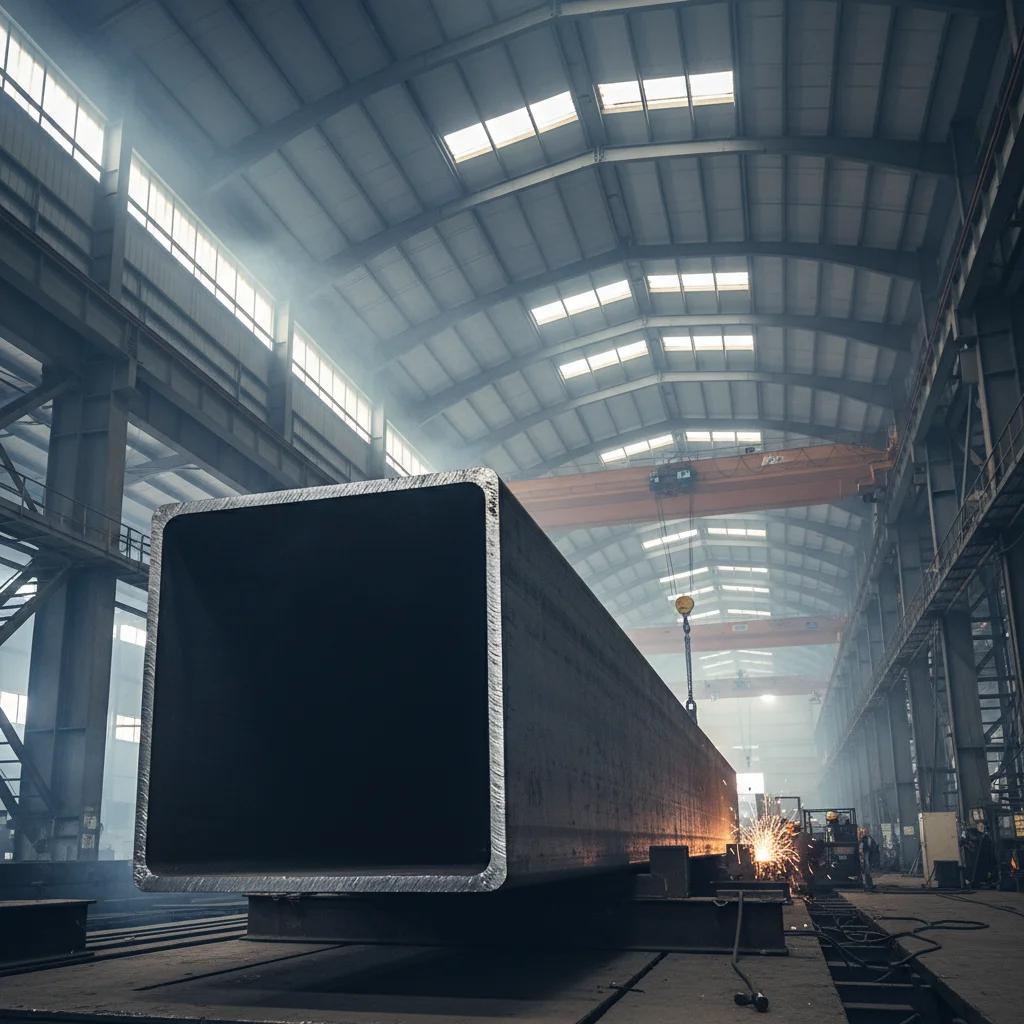
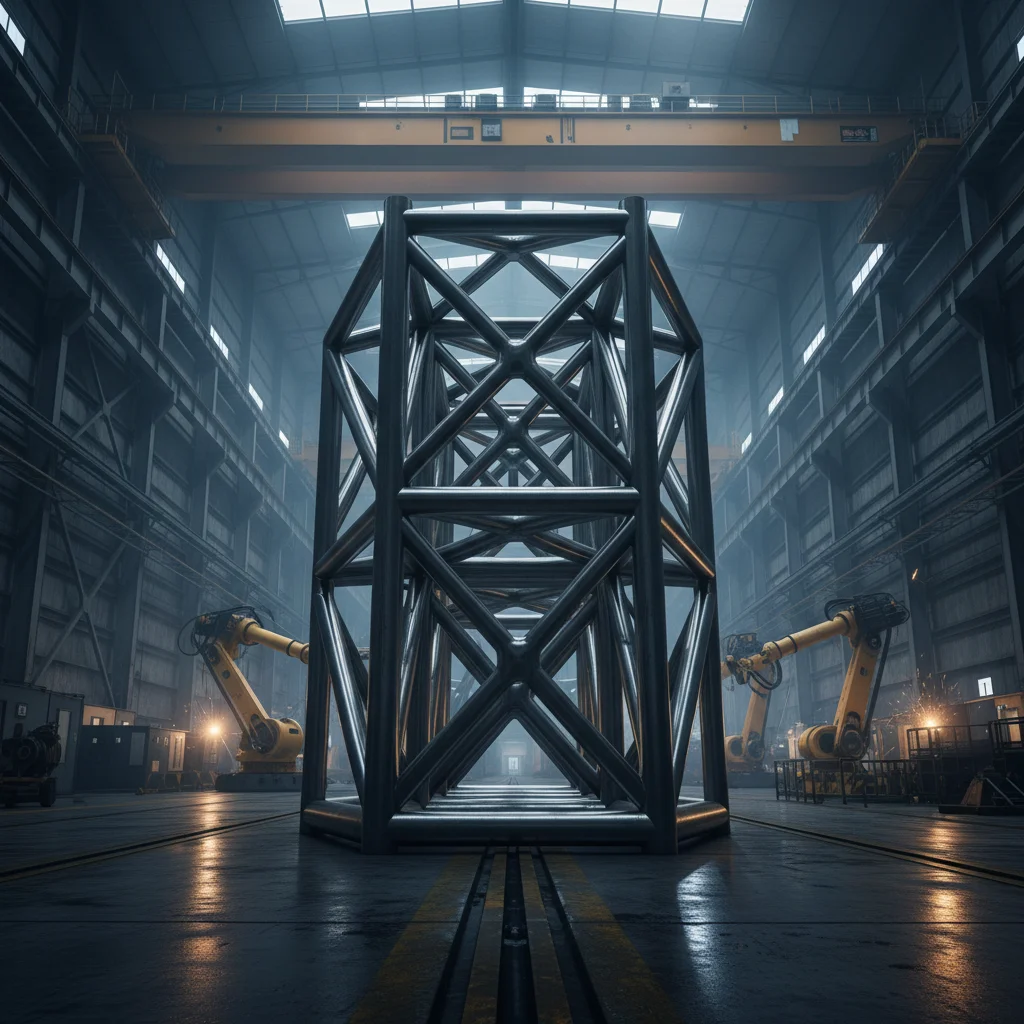
In a typical industrial setting, such as a bridge construction project or a crane structure, E355 is utilized for its high yield strength and excellent weldability. It allows for the fabrication of complex joint geometries that can support massive static loads while remaining flexible enough to handle dynamic stresses.
For fluid transportation, particularly in oil and gas gathering lines, the focus shifts to the seamless nature of the pipe. By utilizing the high-performance E355 grade, operators can ensure that transmission lines are resistant to internal pressure surges, reducing the risk of leakage and enhancing the overall operational safety of the infrastructure.
Procurement Risks and Quality Verification
The primary risk when deciding to buy E355 steel tube is the potential for material inconsistency. Not all carbon steels claiming a 355 MPa yield are created equal; variations in chemical composition can lead to poor weldability or unexpected brittleness at low temperatures.
To mitigate this, procurement teams must insist on full traceability. A Material Test Certificate (MTC) according to EN 10204 3.1 or 3.2 is the gold standard for verification. These documents provide the actual chemical analysis and mechanical test results for the specific batch of steel being delivered, ensuring that the yield, tensile, and elongation properties meet the design requirements.
Furthermore, the logistics of the supply chain play a critical role. Since large-scale projects cannot afford lead-time delays, partnering with distributors like BENKOO METAL—who maintain an extensive inventory of seamless pipes and solid bars—allows for immediate dispatch and reduces the risk of project stagnation.
Material Selection Decision Framework
Choosing between standard carbon steel, E355, and high-alloy options requires a structured evaluation of the environment and the expected return on investment. For most industrial piping, the goal is to maximize the service life while minimizing the initial capital expenditure.
Standard carbon steel is economical but may require thicker walls to meet safety codes. High-alloy steels offer extreme durability and corrosion resistance but at a significantly higher price point and slower installation speed due to more complex welding requirements.
The table below provides a relative comparison based on key industrial evaluation factors to assist in the final selection process.
| Evaluation Factor | Standard Carbon Steel | E355 High-Strength | High-Alloy / Stainless |
|---|---|---|---|
| Initial Material Cost | Low / Economical | Moderate | Medium to High |
| Installation Speed | Very High | High (Easy Weld) | Medium to High |
| Structural Integrity | Standard | Superior Yield | Extreme |
| Maintenance Cost | Low | Low | Medium to Low |
| Weight Efficiency | Low (Thicker Walls) | High (Thinner Walls) | Very High |
| Overall ROI | High (Low Cost) | Highest (Cost/Perf) | Medium (Premium) |
Questions & Answers
E355 is a high-strength structural steel grade characterized by a minimum yield strength of 355 MPa. It is designed to provide a superior strength-to-weight ratio compared to standard mild steels, allowing for thinner wall thicknesses in pipes and structural components without compromising the overall load-bearing capacity or safety margins of the installation.
The choice depends on the primary requirement. ASTM A106 Gr.B is the gold standard for high-temperature seamless service. However, if the project demands higher structural yield strength for heavy-duty mechanical support or high-pressure containment where weight reduction is a priority, E355 (or St 52.0) is often the more efficient and cost-effective choice.
While E355 provides the necessary mechanical strength for offshore structures, as a carbon steel, it is susceptible to corrosion in saline environments. For marine use, E355 must be paired with high-performance industrial coatings or cathodic protection systems to ensure long-term durability and prevent premature structural failure.
To ensure material safety, you should require EN 10204 3.1 or 3.2 Material Test Certificates (MTC). These certificates provide full traceability from the mill, verifying the chemical composition (carbon, manganese, silicon levels) and mechanical properties (yield strength, tensile strength, and elongation) to ensure they meet the specified global standards.
E355 is highly regarded for its excellent weldability. Because its chemical composition is optimized to keep the carbon equivalent low, it can be welded using standard industrial methods without the extensive pre-heating or post-weld heat treatment required by higher-alloy steels, making it ideal for rapid site installation.
Standard E355 carbon steel is generally not recommended for extreme cryogenic temperatures as it may undergo a ductile-to-brittle transition. For cryogenic services, specialized alloys or stainless steels are required. However, for general cold-weather industrial applications, it remains a reliable choice provided the temperature stays within its specified design limits.
Final Thoughts
The strategic use of E355 steel tubes allows industrial engineers to optimize the intersection of performance and cost. By leveraging a yield strength of 355 MPa, projects can achieve greater structural efficiency and lower material weights without sacrificing the safety and reliability required for high-pressure environments.
Ultimately, the success of such an implementation depends on strict quality control and full material traceability. Ensuring that your supply chain provides certified, NDT-tested seamless piping is the only way to guarantee that the theoretical strengths of E355 translate into real-world operational safety.
Related Posts