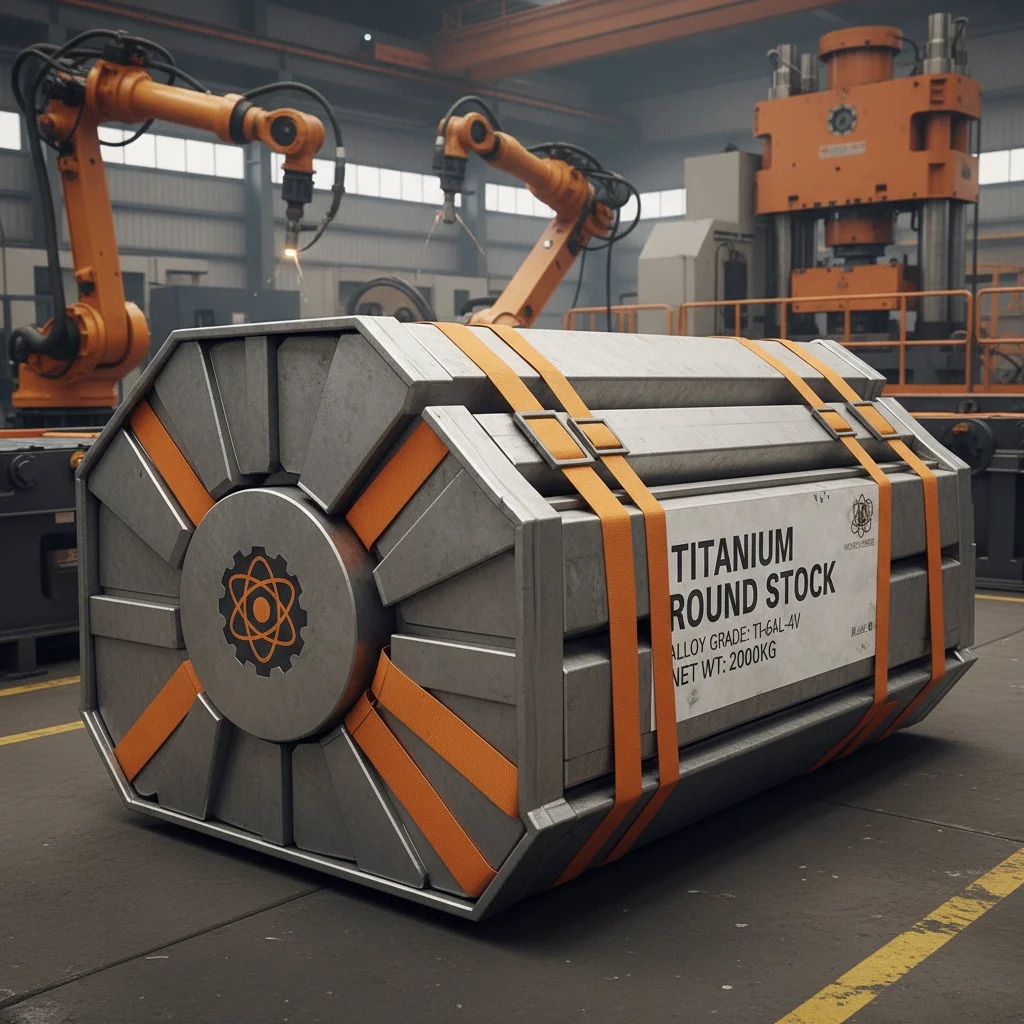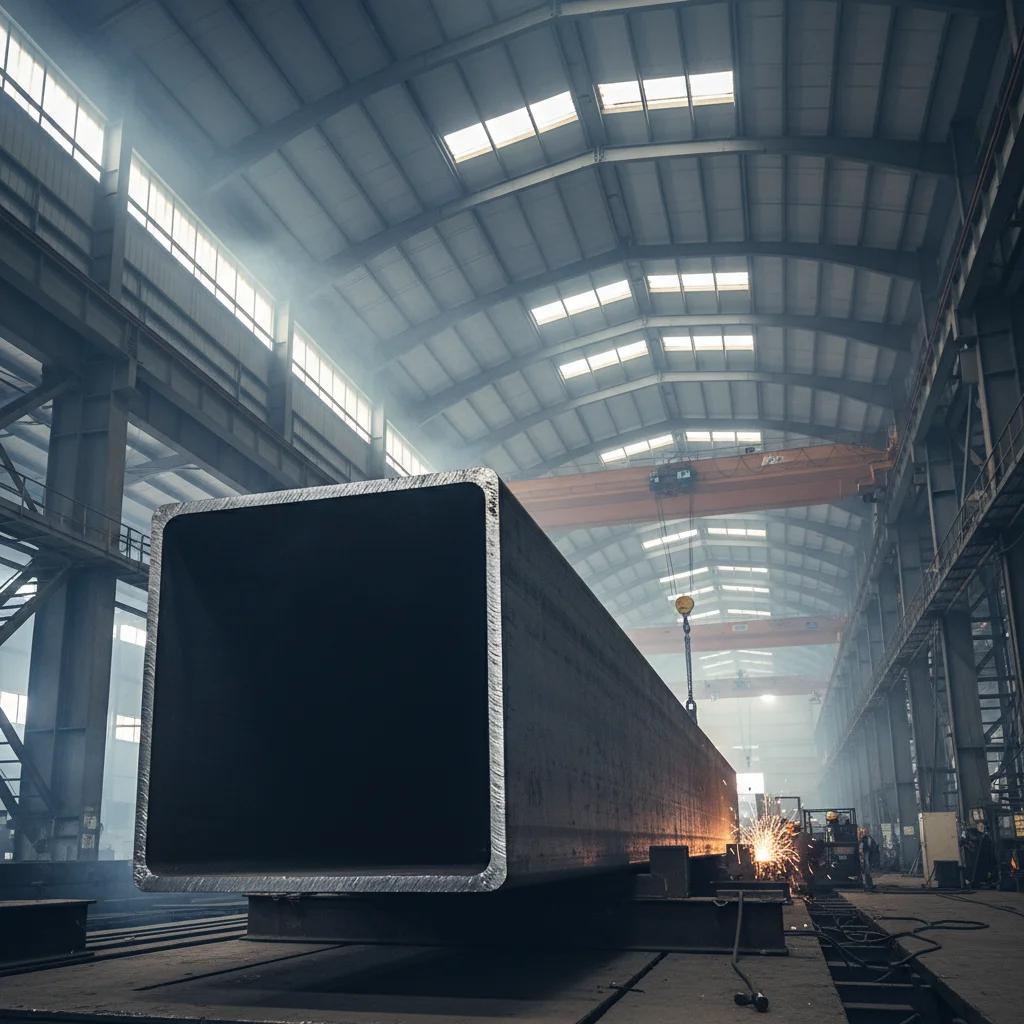
The global procurement landscape for high-corrosion resistance materials is shifting as engineers seek to balance extreme material performance with capital expenditure limits. For large-scale industrial projects, finding reliable CHINA titanium tube suppliers has become a strategic priority to ensure structural integrity in aggressive environments without incurring the prohibitive costs associated with seamless extrusion.
The challenge lies in the technical trade-off between seamless and welded constructions. While seamless pipes are traditionally favored for ultra-high pressure, the emergence of advanced automated welding and post-weld heat treatments has made welded titanium a viable, and often superior, choice for large-diameter process piping, seawater systems, and chemical reactors.
This technical analysis examines the engineering logic behind selecting welded titanium solutions, the critical quality assurance standards required for high-integrity seams, and how to evaluate suppliers based on their technical capabilities in specialized welding processes.

Welded Titanium Engineering Logic

The engineering shift toward welded titanium is driven by the physical limitations of seamless extrusion, which typically caps outside diameters at around 250mm. For industrial vessels and FGD ducting, diameters often exceed this, making welded construction the only technically feasible route.
By utilizing precision-rolled strips or plates conforming to ASTM B265, manufacturers can produce pipes up to 2000mm in diameter. This approach allows for precise wall thickness control and significantly reduces material waste compared to heavy extrusion.
Dimensional and Material Specifications
Specifying the correct titanium grade is the first step in ensuring system longevity. Most industrial applications rely on Grade 2 commercially pure titanium for its excellent balance of formability and corrosion resistance. When procuring from CHINA titanium tube suppliers, ensuring compliance with ASTM B862 or ASME SB862 is critical for pressure-containing components.
The wall thickness range varies significantly by welding method. For instance, TIG welding is generally optimized for 0.5mm to 6.0mm, while Plasma Arc Welding (PAW) extends this capability up to 12.0mm, providing deeper penetration for medium-thickness industrial piping.
Engineering teams must consider the "Parent Material vs. Weld Zone" relationship. The objective is to ensure that the mechanical properties and corrosion resistance of the longitudinal seam match the base metal through rigorous post-process treatments.
Critical Weld Integrity and Heat Treatment
The primary vulnerability in any welded pipe is the Heat Affected Zone (HAZ). If not managed, the HAZ can become a site for preferential corrosion or mechanical failure under cyclic loading.
Verification is achieved through 100% Non-Destructive Testing (NDT), specifically Radiographic Testing (RT) or Automated Ultrasonic Testing (AUT). This guarantees that no porosity or lack of fusion exists within the longitudinal seam, meeting the safety requirements of nuclear, marine, and chemical sectors.
Economic vs Technical Performance Rating
The decision to move from seamless to welded titanium is often an economic one, but it is supported by technical parity in static applications. Welded solutions typically offer a 30-50% reduction in CAPEX, which allows projects to implement titanium in larger sections of the plant rather than limiting it to the most critical junctions.
The following assessment provides a normalized engineering rating comparing the utility of different titanium pipe configurations across key industrial metrics.
Normalized Engineering Assessment: Welded vs Seamless
Deployment in Aggressive Media
In Flue Gas Desulfurization (FGD) systems, the environment consists of hot, wet, acidic gases containing chlorides. Standard alloys fail rapidly here, but welded titanium ducts provide the necessary immunity. The ability to produce large-diameter pipes allows for the construction of massive absorber tower liners and outlet stacks that are fully corrosion-proof.
Similarly, in Marine and Offshore engineering, seawater intake and discharge lines utilize welded titanium to eliminate the risk of pitting and crevice corrosion. The structural stability of these pipes, combined with a reduced weight compared to nickel alloys, optimizes the buoyancy and longevity of offshore platforms.
Future of Large-Diameter Titanium Fabrication
The industry is moving toward further automation in the welding phase. Laser Beam Welding (LBW) is beginning to replace TIG for thinner-walled instrumentation tubing, offering an extremely narrow heat-affected zone and higher production speeds.
We are also seeing a trend toward hybrid material integration, where welded titanium liners are used inside carbon steel shells to provide corrosion protection while maintaining the structural rigidity and cost-profile of steel.
As desalination plants and green hydrogen projects scale up, the demand for large-bore titanium piping will continue to grow, pushing CHINA titanium tube suppliers to enhance their precision straightening and vacuum annealing capabilities.
Selection Framework for Procurement
Selecting a titanium pipe involves more than comparing price points; it requires a technical audit of the manufacturer's quality control. Procurement teams should evaluate the supplier's ability to provide full EN 10204 3.2 certification and traceability back to the original melt.
The choice between welded and seamless should be dictated by the operating pressure and the nature of the stress. For static process lines and large vessels, welded titanium is the optimal engineering and economic choice.
Below is a technical comparison matrix designed to guide engineers through the selection process based on typical application profiles.
| Configuration Profile | Max Diameter (OD) | Pressure Suitability | Recommended Application |
|---|---|---|---|
| Standard Welded | Up to 2000mm | Low to Medium | FGD Ducting, Tank Liners |
| High-Precision Welded | 6mm - 500mm | Medium | Chemical Process Piping |
| Standard Seamless | Up to 250mm | High to Ultra-High | Heat Exchanger Tubes |
| Heavy Wall Seamless | Small Diameters | Critical Pressure | Aerospace / High-Pressure Oil |
| Thin-Wall Laser Welded | Micro to Small | Low | Instrumentation Tubing |
| Industrial Baseline | Variable | Project Specific | General Marine Ballast |
Technical FAQ
Welded titanium pipes can be produced in significantly larger dimensions than seamless versions, with outside diameters reaching up to 2000mm (2 meters). This is achieved by rolling high-quality titanium strips or plates into a cylindrical shape and applying automated longitudinal welding. This makes them ideal for large-scale industrial applications like scrubber liners and FGD stacks.
In raw welded states, the Heat Affected Zone (HAZ) can exhibit different properties. However, through a process of full solution annealing in a vacuum or argon environment and subsequent acid pickling/passivation, the corrosion resistance of the weld zone is restored to match the base metal. This ensures that the longitudinal seam does not become a point of failure in chloride-rich environments.
Seamless titanium should be specified for ultra-high pressure applications, rotating equipment (like shafts), or components subject to high cyclic fatigue where any longitudinal seam could represent a risk. For most static industrial process lines, large-diameter vessels, and seawater intake systems, welded pipes are the preferred choice due to their cost-efficiency and available size range.
High-standard welded titanium pipes undergo 100% inspection of the weld seam. The most common methods are Radiographic Testing (RT) and Automated Ultrasonic Testing (AUT). These methods detect internal defects such as porosity, slag inclusions, or lack of fusion, ensuring the pipe meets ASTM B862 or ASME SB862 standards for pressure safety.
For very thin materials (0.1mm to 4.0mm), Laser Beam Welding (LBW) is the superior choice as it provides an extremely narrow HAZ and minimizes distortion. For general industrial use between 0.5mm and 6.0mm, Automatic TIG (GTAW) is the industry default due to its exceptional weld pool control and cleanliness, which is vital for pharmaceutical and high-purity systems.
Verification should focus on technical documentation. Ensure the supplier provides EN 10204 3.2 Type Inspection Certificates, which include traceability to the melt, chemical analysis, mechanical test results, and NDT reports. Additionally, confirm that their welding procedures follow qualified Welding Procedure Specifications (WPS) and that they have the capability for full vacuum annealing.
Engineering Summary
The transition toward welded titanium solutions represents a pragmatic evolution in industrial engineering, allowing for the deployment of titanium's superior corrosion resistance in large-scale systems that were previously cost-prohibitive. By prioritizing automated welding and rigorous post-weld heat treatment, the perceived gap between seamless and welded performance is virtually eliminated for static applications.
For procurement managers and engineers, the key to success lies in selecting CHINA titanium tube suppliers who can demonstrate a complete quality chain—from ASTM B265 plate sourcing to 100% NDT verification. This approach ensures long-term reliability in the world's most aggressive chemical and marine environments.
Related Posts