Duplex stainless steel pipes are a critical component in modern infrastructure, offering a unique blend of high strength, corrosion resistance, and cost-effectiveness. Their increasing use spans diverse industries, from oil and gas and chemical processing to water treatment and marine engineering. Understanding the properties and applications of these pipes is essential for engineers, project managers, and anyone involved in designing and maintaining critical systems. duplex stainless steel pipes represent a significant advancement in materials science, enabling longer lifespans and reduced maintenance costs for vital infrastructure projects.
The global demand for robust and reliable piping solutions is steadily increasing, driven by factors like population growth, industrial expansion, and stricter environmental regulations. Duplex stainless steel pipes address this demand by providing superior performance in harsh operating environments compared to traditional materials like carbon steel. This translates to minimized downtime, reduced risk of failures, and enhanced safety – crucial considerations in industries where even short interruptions can have substantial consequences.
This comprehensive exploration will delve into the definition, key characteristics, applications, advantages, future trends, and potential challenges associated with duplex stainless steel pipes, providing a valuable resource for professionals seeking to optimize their projects and ensure long-term sustainability.
Introduction to Duplex Stainless Steel Pipes
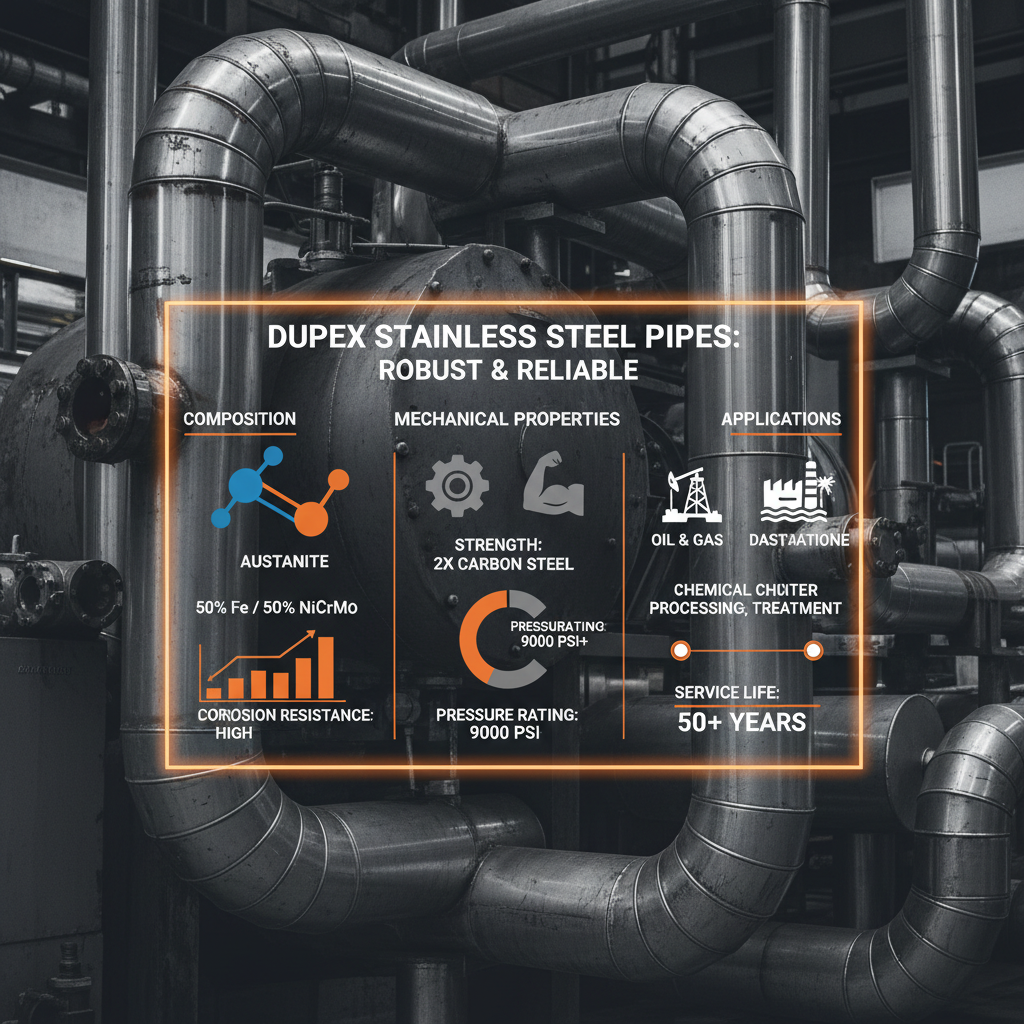
Duplex stainless steel pipes are engineered with a microstructure comprised of both austenite and ferrite, granting them a unique combination of beneficial properties. This dual-phase structure is key to their exceptional strength, resistance to corrosion, and ability to withstand high pressures and temperatures. Unlike their austenitic counterparts, duplex stainless steel offers significantly improved mechanical strength and resistance to stress corrosion cracking.
The increasing reliance on duplex stainless steel pipes is also driven by the desire for more sustainable solutions. Their extended lifespan minimizes the need for frequent replacements, reducing material consumption and overall environmental impact. This contributes to a circular economy approach, aligning with global sustainability initiatives.
Global Relevance and Industry Context
The global stainless steel market is a multi-billion dollar industry, with duplex stainless steel representing a significant and growing segment. According to the World Stainless Steel Association, demand is expected to continue rising, particularly in emerging economies investing heavily in infrastructure. This demand is fueled by the need for materials that can withstand the challenges of increasingly aggressive environments, such as those found in offshore oil and gas installations, desalination plants, and chemical processing facilities.
A critical challenge facing industries worldwide is corrosion – a pervasive problem that leads to costly repairs, downtime, and even catastrophic failures. Traditional materials often require extensive corrosion protection measures, such as coatings and cathodic protection. Duplex stainless steel pipes minimize these requirements, offering inherent corrosion resistance that significantly reduces lifecycle costs.
The United Nations Sustainable Development Goals (SDGs), particularly those related to clean water and sanitation (SDG 6) and industry, innovation, and infrastructure (SDG 9), are directly impacted by the availability of reliable and durable piping systems. Duplex stainless steel pipes contribute to these goals by providing long-lasting infrastructure that minimizes water loss, reduces energy consumption, and supports sustainable industrial development.
Defining Duplex Stainless Steel Pipes
Duplex stainless steel pipes are fabricated from alloys containing approximately equal amounts of austenite and ferrite, two crystalline structures within the steel. This unique composition results in a material that combines the desirable properties of both phases. The ferrite component enhances strength and resistance to stress corrosion cracking, while the austenite component contributes to corrosion resistance and toughness.
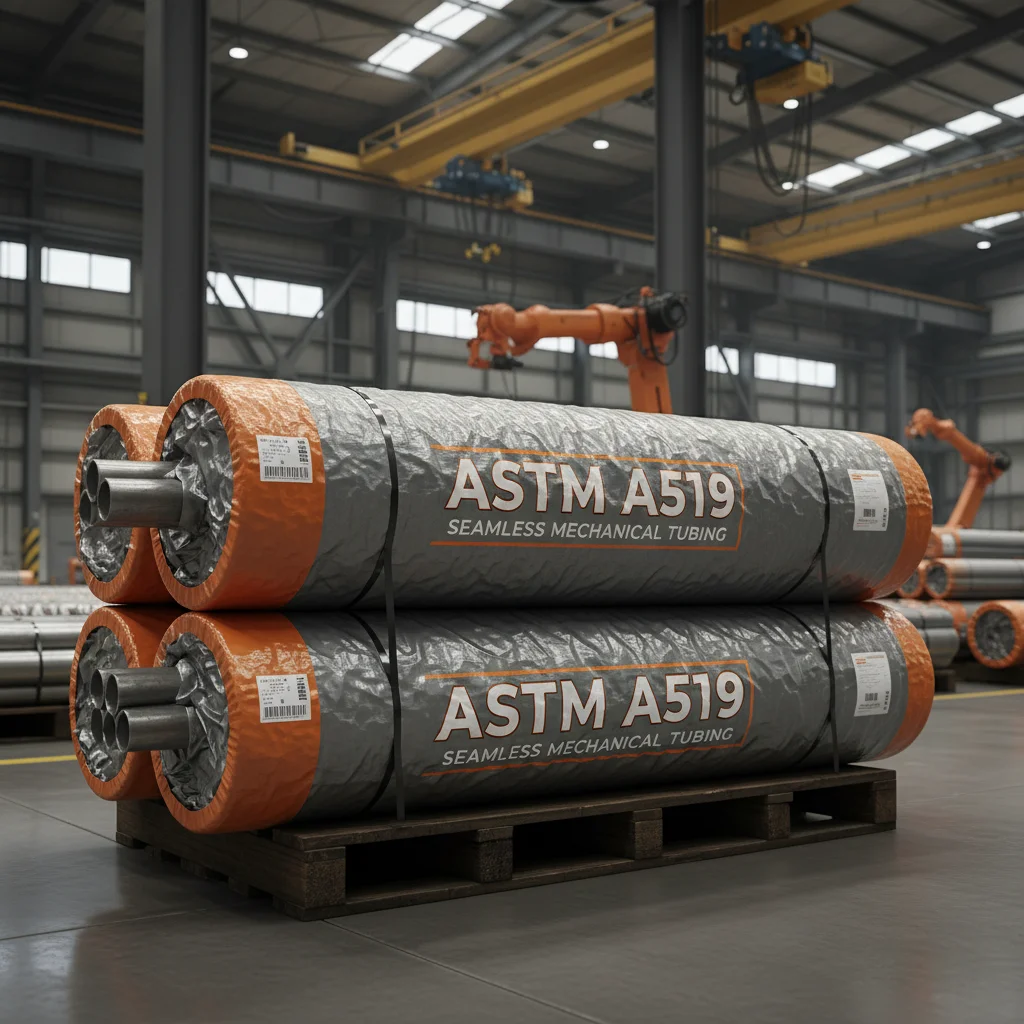
These pipes are characterized by their higher mechanical strength, improved resistance to pitting and crevice corrosion, and better weldability compared to standard austenitic stainless steels. They are typically produced through processes like seamless extrusion, welding, and cold drawing, adhering to rigorous quality control standards such as those established by ASTM and ISO.
Their connection to modern industry and humanitarian needs is profound. In sectors like water treatment, duplex stainless steel pipes ensure the safe and reliable delivery of clean water to communities. In chemical processing, they facilitate the safe handling of corrosive substances. In offshore environments, they provide durable infrastructure for oil and gas exploration and production.
Key Characteristics of Duplex Stainless Steel Pipes
The performance advantages of duplex stainless steel pipes stem from several key characteristics. Firstly, their high mechanical strength allows for thinner pipe walls, reducing material costs and weight. This strength is significantly greater than that of conventional austenitic stainless steels, making them ideal for high-pressure applications.
Secondly, exceptional corrosion resistance is paramount. The balanced austenite-ferrite microstructure resists localized corrosion, such as pitting and crevice corrosion, in a wide range of aggressive environments, including seawater, acids, and chlorides. This significantly extends the lifespan of the piping system.
Duplex Stainless Steel Pipe Performance Comparison
Applications Across Global Industries
Duplex stainless steel pipes find extensive applications in a variety of industries worldwide. In the oil and gas sector, they are critical for subsea pipelines, offshore platforms, and processing facilities, providing resistance to seawater corrosion and high pressures. Their use ensures the safe and reliable transport of hydrocarbons.
The chemical processing industry utilizes these pipes for handling corrosive chemicals and maintaining process integrity. They are commonly found in plants producing acids, alkalis, and other aggressive compounds. duplex stainless steel pipes are vital for safety and environmental protection.
Advantages and Long-Term Value
The advantages of investing in duplex stainless steel pipes extend beyond initial cost considerations. Their superior corrosion resistance translates to reduced maintenance requirements and extended service life, ultimately lowering lifecycle costs. This long-term value proposition makes them an economically sound choice for critical infrastructure projects.
From a sustainability perspective, the durability of these pipes minimizes material waste and reduces the carbon footprint associated with frequent replacements. This aligns with increasingly stringent environmental regulations and supports a circular economy model. The increased safety they provide also contributes to a positive social impact, protecting workers and the environment.
Future Trends and Innovations
Ongoing research and development efforts are focused on enhancing the properties and expanding the applications of duplex stainless steel pipes. One key area of innovation is the development of new alloy compositions with even greater corrosion resistance and mechanical strength. These advancements will allow for thinner pipe walls and further reduce material costs.
The integration of digital technologies, such as advanced sensors and predictive maintenance systems, is also transforming the way these pipes are monitored and maintained. These systems can detect early signs of corrosion or damage, enabling proactive interventions and preventing costly failures.
Furthermore, the growing emphasis on sustainable infrastructure is driving demand for duplex stainless steel pipes as a long-lasting and environmentally responsible solution. Their role in supporting green energy initiatives, such as hydrogen production and carbon capture, is expected to become increasingly significant in the years to come.
Summary of Challenges and Solutions for Duplex Stainless Steel Pipes
| Challenge |
Impact on Performance |
Potential Solution |
Implementation Cost (1-10) |
| Welding Complexity |
Potential for reduced corrosion resistance if welding parameters are not optimized. |
Employing qualified welders and adhering to strict welding procedures. |
6 |
| Cost (Initial) |
Higher initial cost compared to carbon steel. |
Life Cycle Cost Analysis demonstrating long-term savings due to reduced maintenance. |
5 |
| Sensitivity to Sulfide Stress Cracking (SSC) |
Potential for SSC in H2S environments. |
Selecting alloys with enhanced SSC resistance or employing corrosion inhibitors. |
7 |
| Supply Chain Disruptions |
Delays in procurement and increased prices. |
Diversifying suppliers and establishing long-term contracts. |
4 |
| Lack of Standardization |
Difficulty in comparing different duplex stainless steel grades. |
Promoting wider adoption of standardized testing and classification methods. |
8 |
| Fabrication Challenges |
Requires skilled personnel and specialized equipment. |
Investing in training and providing access to appropriate fabrication tools. |
6 |
FAQS
Duplex stainless steel pipes demonstrate significantly longer lifespans in seawater compared to standard stainless steels or carbon steel, often exceeding 50 years with minimal maintenance. Their superior resistance to pitting, crevice corrosion, and chloride-induced stress corrosion cracking makes them ideal for marine applications. However, lifespan is dependent on specific alloy composition, water chemistry, and operating conditions. Regular inspections are recommended to monitor for any signs of localized corrosion.
Initially, duplex stainless steel pipes are more expensive than carbon steel pipes due to the higher alloy content and more complex manufacturing processes. However, considering the entire lifecycle cost, duplex stainless steel often proves to be more economical. Their reduced maintenance requirements, extended service life, and minimized risk of failures result in substantial long-term savings, offsetting the higher upfront investment.
Welding duplex stainless steel requires careful control to maintain the material's properties. The Gas Tungsten Arc Welding (GTAW) or Gas Metal Arc Welding (GMAW) processes, using appropriate filler metals and low heat input, are generally recommended. It's critical to avoid excessive interpass temperatures to prevent the formation of detrimental phases. Post-weld heat treatment may be necessary in some cases to optimize the microstructure.
While highly corrosion-resistant, duplex stainless steel isn’t entirely immune. It can be susceptible to pitting or crevice corrosion in extremely aggressive environments with high chloride concentrations and low oxygen levels. Additionally, under specific conditions, it may exhibit sulfide stress cracking (SSC). Careful alloy selection and proper design considerations can mitigate these risks.
Duplex stainless steel pipes maintain good strength and corrosion resistance at elevated temperatures, generally up to around 300°C (572°F). However, prolonged exposure to temperatures above this range can lead to a reduction in mechanical properties and increased susceptibility to corrosion. Super duplex stainless steel grades offer improved performance at higher temperatures.
Duplex stainless steel pipes are extensively used in several key industries, including Oil & Gas (offshore platforms, pipelines), Chemical Processing (handling corrosive chemicals), Water Treatment (desalination plants, wastewater treatment), Marine Engineering (shipbuilding, offshore structures), and Pulp & Paper (handling corrosive pulping liquors). Their robust performance in challenging environments drives their demand across these sectors.
Conclusion
Duplex stainless steel pipes represent a significant advancement in materials engineering, offering a compelling combination of strength, corrosion resistance, and long-term value. Their ability to withstand harsh operating conditions, reduce maintenance costs, and contribute to sustainable infrastructure makes them an increasingly preferred choice across diverse industries. Understanding the unique properties and applications of these pipes is critical for optimizing project performance and ensuring long-term reliability.
As technology continues to evolve, further innovations in alloy composition and fabrication techniques will undoubtedly enhance the capabilities of duplex stainless steel pipes. Embracing these advancements and prioritizing lifecycle cost analysis will be key to unlocking their full potential and building a more resilient and sustainable future. For more information and to explore our range of duplex stainless steel pipes, visit our website today.