Tube steel structure represents a significant advancement in modern construction and engineering, offering unparalleled strength, versatility, and cost-effectiveness. Its ability to be prefabricated and rapidly deployed makes it invaluable in diverse applications ranging from industrial facilities and commercial buildings to disaster relief housing and infrastructural support. Understanding the nuances of tube steel structure is increasingly crucial for professionals across various sectors, impacting innovation and sustainability.
The global demand for efficient and resilient building solutions is steadily increasing, driven by urbanization, population growth, and the escalating impacts of climate change. Tube steel structure addresses these challenges by providing a lightweight yet exceptionally strong material adaptable to various environmental conditions. Its growing prominence underscores a shift towards modular construction and sustainable practices within the industry.
This versatility, coupled with decreasing manufacturing costs, positions tube steel structure as a cornerstone for future development, offering solutions to housing shortages, infrastructure needs, and the demand for rapid response capabilities in emergency situations.
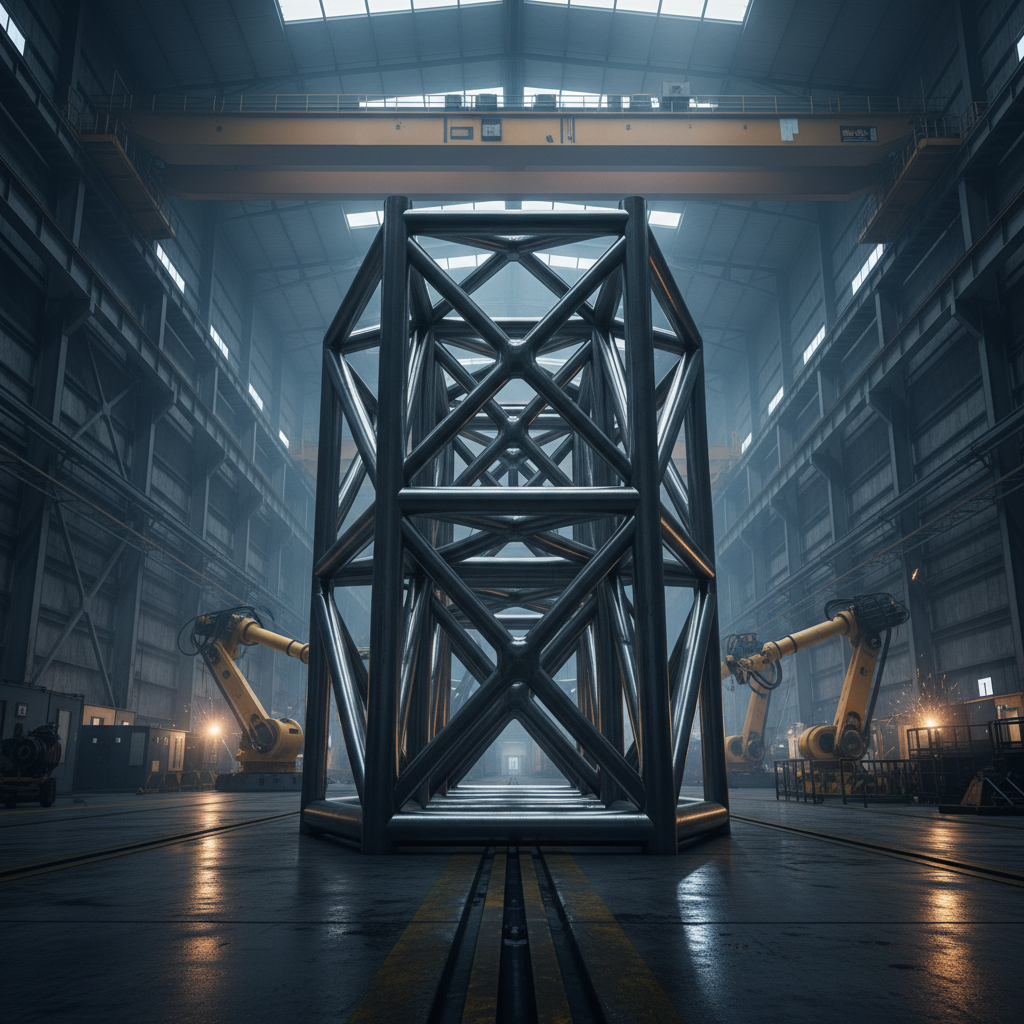
Introduction to Tube Steel Structure
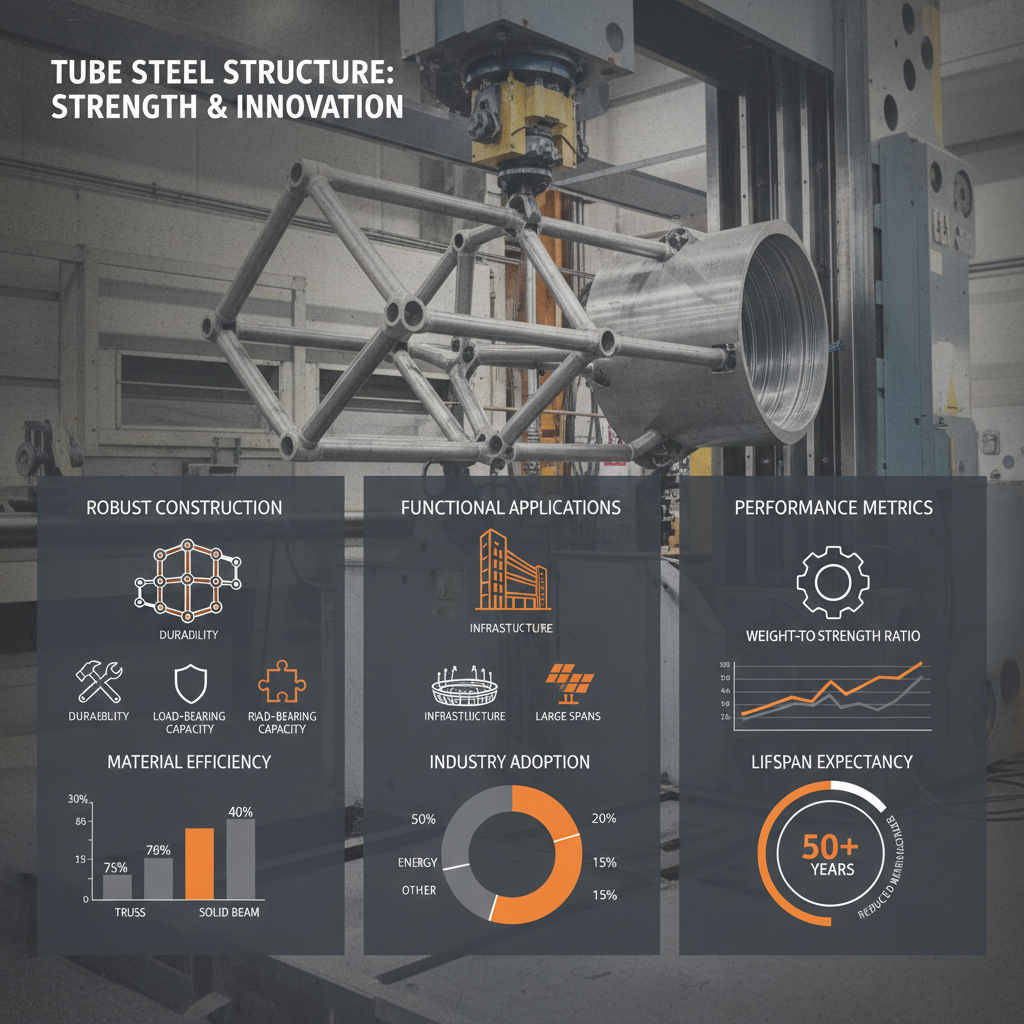
Tube steel structure, at its core, utilizes hollow structural sections (HSS) made from steel, offering a superior strength-to-weight ratio compared to traditional solid steel sections. This fundamental characteristic allows for longer spans, reduced material consumption, and ultimately, more efficient construction.
The inherent design flexibility of tube steel structure allows engineers to create innovative and aesthetically pleasing designs while meeting stringent structural requirements. Its prefabrication capabilities reduce on-site construction time and labor costs, making it an increasingly attractive option across a broad range of projects.
FAQS
Tube steel structure offers several key benefits. It has a significantly higher strength-to-weight ratio than concrete, allowing for larger spans and reduced foundation requirements. It's also faster to construct, reducing labor costs and project timelines. Additionally, steel is fully recyclable, making it a more sustainable option. Finally, tube steel structure is more resilient to seismic activity.
The initial material cost of steel can sometimes be higher than wood. However, considering the longer lifespan, reduced maintenance, and faster construction time of tube steel structure, the overall lifecycle cost is often lower. The modular nature also reduces on-site labor, a significant cost factor. A detailed cost analysis should be done for each project.
Tube steel structure generally requires less maintenance than other building materials. Regular inspections for corrosion are recommended, particularly in coastal environments. Applying protective coatings can significantly extend the lifespan of the steel. Unlike wood, it isn’t susceptible to rot or pest infestations.
Yes, tube steel structure is exceptionally well-suited for earthquake-prone regions. Steel's ductility allows it to absorb significant energy during seismic events without catastrophic failure. Properly designed and constructed steel structures can withstand strong earthquakes with minimal damage. Seismic design codes are readily available to ensure structural integrity.
Steel is one of the most recycled materials globally, minimizing waste. Modern steel production utilizes increasingly efficient processes with reduced carbon emissions. The long lifespan of steel structures also reduces the need for frequent replacements, minimizing resource consumption. The recyclability of steel at the end of a building’s life significantly reduces its environmental footprint.
Yes, tube steel structure is increasingly used for residential homes, offering design flexibility and durability. However, building codes vary by location. It's crucial to consult with a qualified structural engineer and local building authorities to ensure compliance with all applicable regulations regarding fire safety, insulation, and structural integrity. Appropriate fireproofing measures are essential.
Conclusion
Tube steel structure represents a paradigm shift in the construction industry, offering a compelling combination of strength, versatility, sustainability, and cost-effectiveness. Its ability to address global challenges related to housing, infrastructure, and disaster relief positions it as a critical component of a more resilient and sustainable future.
Looking ahead, continued innovation in materials science, fabrication techniques, and design software will unlock even greater potential for tube steel structure. By embracing these advancements and collaborating across disciplines, we can harness the full power of tube steel structure to create a built environment that is not only structurally sound but also environmentally responsible and socially equitable. Visit our website to learn more: www.benkoometal.com