0%

Table of Contents

Pipe carbon, a critical component in countless industrial applications, represents more than just a material; it embodies durability, reliability, and a foundation for modern infrastructure. Its impact resonates globally, influencing everything from energy transmission and water management to construction and manufacturing. Understanding the properties and applications of pipe carbon is vital for engineers, policymakers, and anyone involved in building and maintaining the world around us. This knowledge underpins advancements in safety, efficiency, and sustainability.

The global demand for pipe carbon is directly linked to population growth, urbanization, and the need for robust infrastructure. According to the World Steel Association, global steel production – the foundation for most pipe carbon – exceeds 1.8 billion tonnes annually, demonstrating the sheer scale of its demand. However, challenges remain in ensuring sustainable production methods and addressing the carbon footprint associated with steel manufacturing. Addressing these challenges is crucial to meeting future needs responsibly.

Pipe carbon serves as a crucial link in numerous global systems. From delivering clean water to communities and transporting vital energy resources, to forming the backbone of oil and gas pipelines, its presence is ubiquitous. Effectively leveraging this material, while mitigating its environmental impact, is paramount to a functioning and sustainable world.
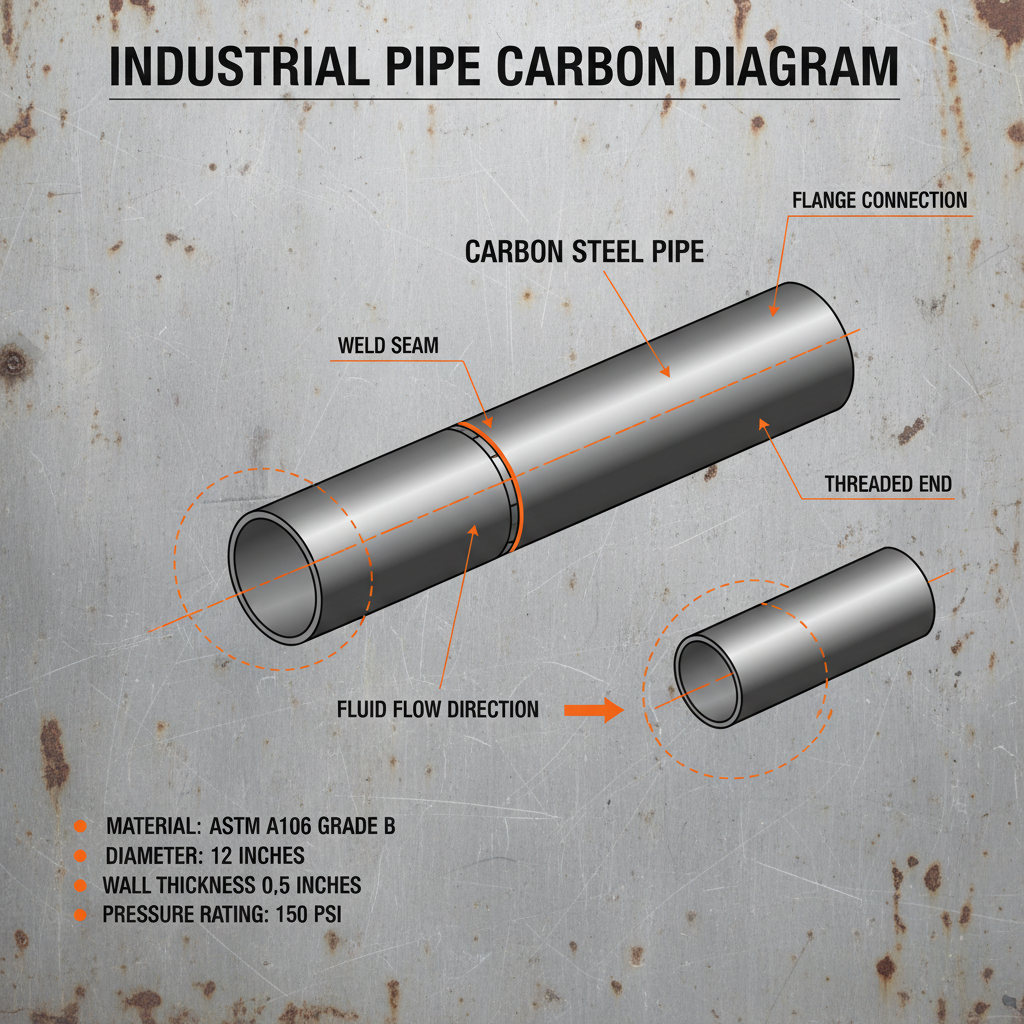
pipe carbon

The Importance of Pipe Carbon

pipe carbon

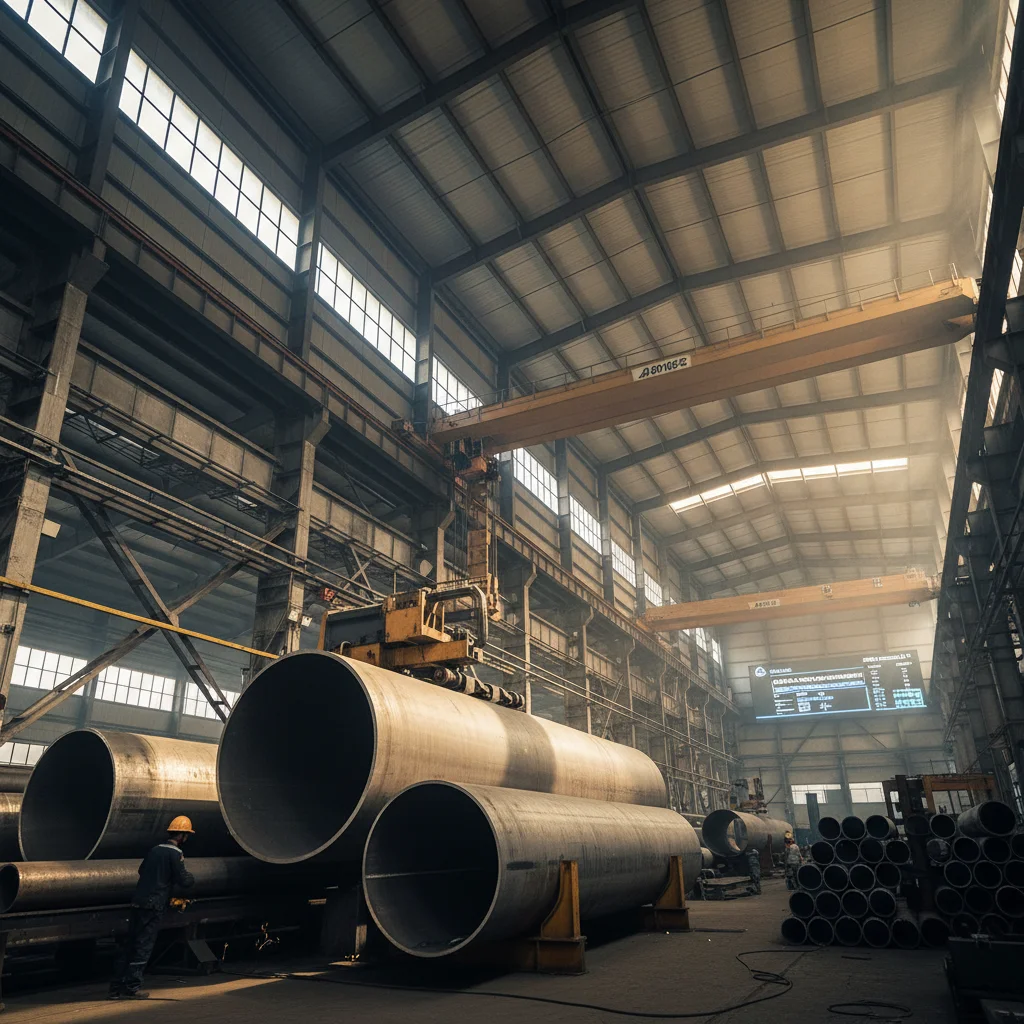
Pipe carbon stands as a foundational material for modern civilization. Its inherent strength, coupled with its relatively low cost and ease of manufacturing, make it indispensable in a vast range of applications. From the intricate networks transporting oil and gas to the vital infrastructure delivering potable water, pipe carbon's reliability underpins daily life.

The ongoing need for durable and dependable infrastructure, particularly in developing nations, ensures the continued relevance of pipe carbon. Innovations in alloy composition and manufacturing processes are further enhancing its performance characteristics, pushing the boundaries of what’s possible in pipeline construction and beyond.

Defining Pipe Carbon

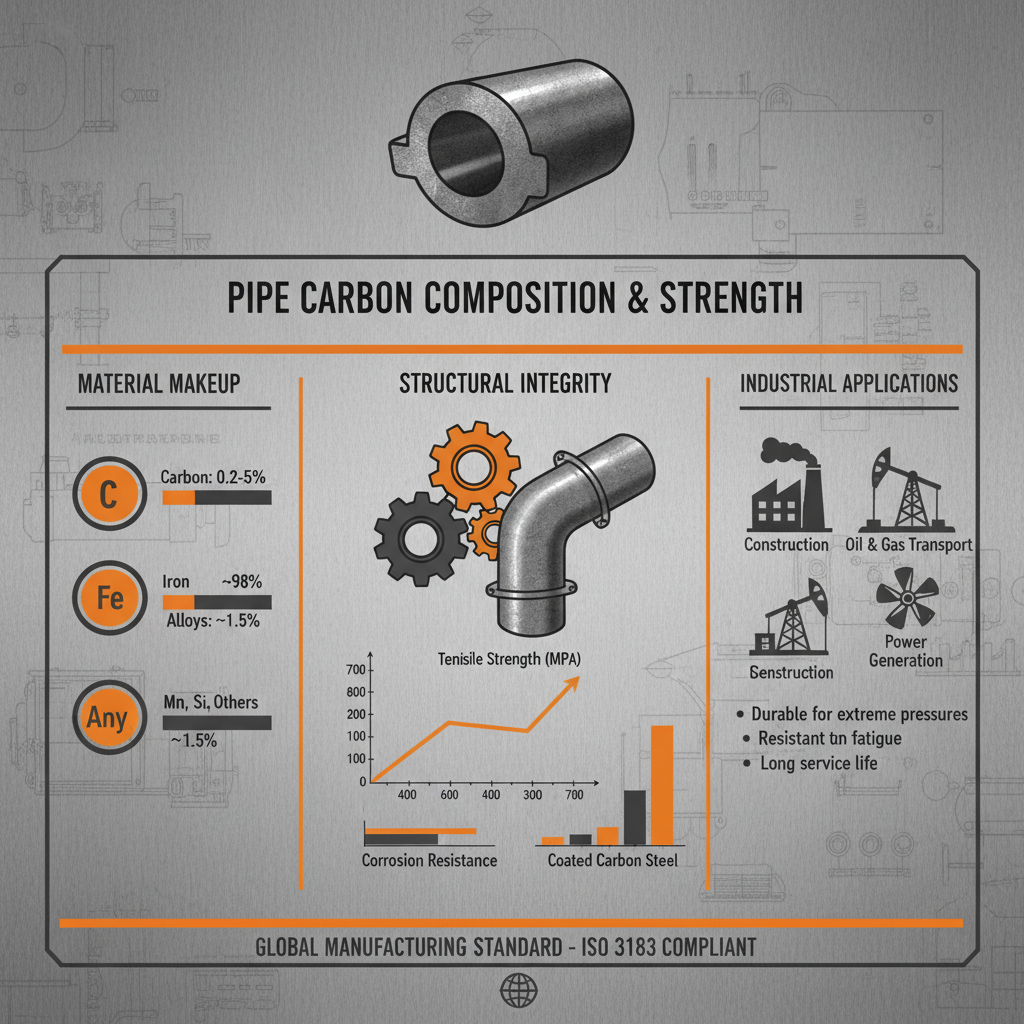
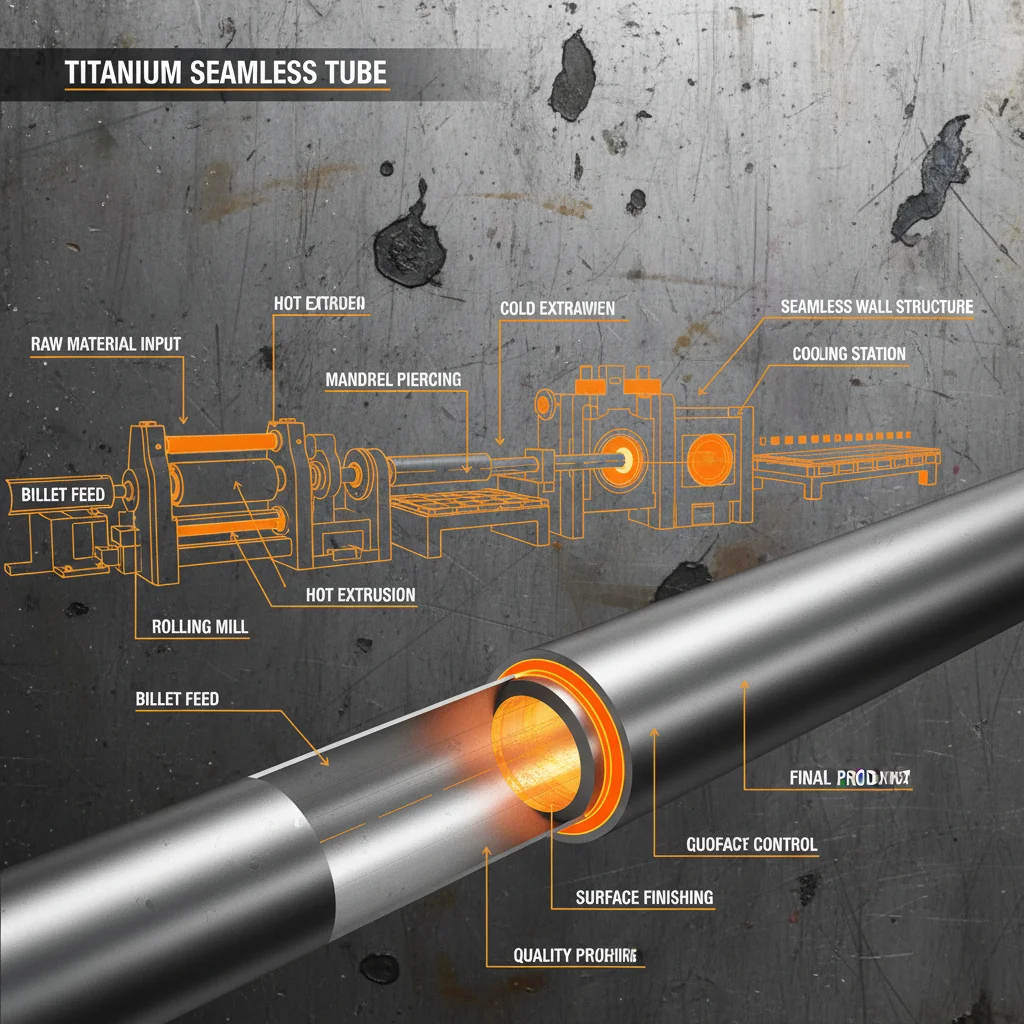
Pipe carbon refers to steel pipes manufactured from various carbon steel grades. Carbon steel is an alloy of iron and carbon, with a carbon content ranging from 0.05% to 2.1% by weight. The carbon content, along with other alloying elements, dictates the pipe's strength, weldability, and corrosion resistance. These pipes are formed through processes like seamless extrusion or welding of steel plates.

The connection to modern industry is profound. Pipe carbon forms the arteries of energy distribution, delivering oil, gas, and steam. It is equally crucial in water supply systems, irrigation networks, and waste management facilities. Its utility extends beyond transport to structural applications in construction and scaffolding.

Essentially, pipe carbon provides a safe and efficient conduit for fluids and gases, or serves as a strong structural component. Its versatility ensures its continued importance in supporting the functioning of our world, meeting fundamental humanitarian needs.

Core Properties of Pipe Carbon

Durability is perhaps the most defining characteristic of pipe carbon. Its inherent strength and resistance to physical damage allow it to withstand high pressures, extreme temperatures, and demanding operating conditions. This durability translates to a long service life, reducing the need for frequent replacements and minimizing lifecycle costs.

Corrosion resistance, while varying based on the specific alloy, is a critical property. Various coatings and alloying elements (like chromium) are used to enhance resistance to rust and other forms of corrosion, extending the lifespan of the pipes and preventing leaks. Proper selection of materials is key for specific environments.

Weldability is crucial for efficient installation and repair. Most pipe carbon grades can be readily welded using standard techniques, enabling the creation of complex pipeline networks and allowing for quick repairs in case of damage. This property streamlines construction and maintenance projects.

Applications Across Industries

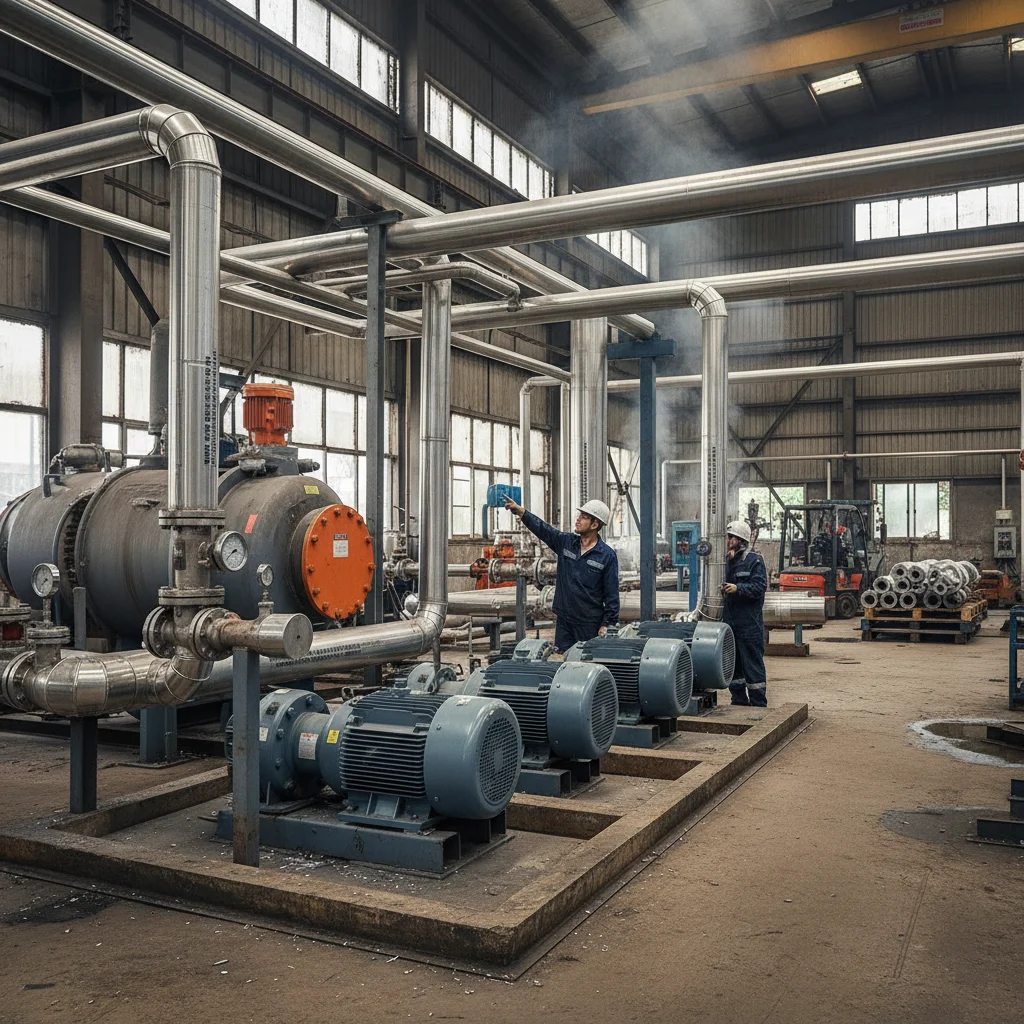
The energy sector is a primary consumer of pipe carbon, utilizing it extensively in oil and gas pipelines for transporting crude oil, natural gas, and refined petroleum products. These pipelines span vast distances, often traversing challenging terrain, making durability and reliability paramount.

The water industry depends heavily on pipe carbon for delivering potable water to communities and transporting wastewater for treatment. Its resistance to corrosion and ability to withstand high pressures are vital for ensuring safe and efficient water distribution. Municipalities worldwide rely on pipe carbon infrastructure.

Pipe Carbon Application Distribution by Industry

Global Use Cases & Impact

In remote industrial zones, such as those found in Siberia or the Canadian Arctic, pipe carbon pipelines are essential for transporting resources to market. These pipelines must withstand extreme cold, permafrost thaw, and challenging logistical constraints, demonstrating the material’s resilience.

Throughout developing nations in Africa and Asia, pipe carbon is critical for expanding access to clean water and sanitation. Reliable water infrastructure is a cornerstone of public health and economic development, and pipe carbon plays a vital role in achieving these goals.

Advantages and Long-Term Value

The cost-effectiveness of pipe carbon is a significant advantage. Compared to alternative materials like stainless steel or specialized alloys, carbon steel offers a lower initial investment, making it accessible for a wide range of projects. This economic benefit contributes to infrastructure development globally.

Its long-term reliability translates to reduced maintenance costs and fewer disruptions to critical services. The ability to withstand harsh conditions and resist corrosion minimizes the need for frequent repairs and replacements, leading to significant savings over the lifespan of the infrastructure.

Future Trends & Sustainability

Research into hydrogen embrittlement and its impact on pipe carbon pipelines is gaining momentum as hydrogen emerges as a clean energy carrier. Developing materials and coatings that resist hydrogen-induced cracking is crucial for enabling a hydrogen-based economy.

Digitalization and advanced monitoring technologies are transforming pipeline management. Sensors and data analytics are being deployed to detect leaks, monitor corrosion, and optimize pipeline performance, enhancing safety and efficiency.

Sustainable manufacturing practices, including the use of recycled steel and the reduction of carbon emissions in the production process, are becoming increasingly important. A circular economy approach is essential for minimizing the environmental impact of pipe carbon.

Summary of Sustainable Pipe Carbon Initiatives

Initiative Category Implementation Focus Potential Impact Current Adoption Rate
Recycled Content Increasing the percentage of recycled steel in pipe carbon production. Reduced demand for virgin materials, lower carbon footprint. 25%
Low-Carbon Production Utilizing renewable energy sources and carbon capture technologies in steelmaking. Significant reduction in greenhouse gas emissions. 10%
Corrosion Resistant Coatings Developing and applying advanced coatings to extend pipeline lifespan. Reduced maintenance, fewer leaks, improved safety. 60%
Leak Detection Systems Implementing advanced sensors and data analytics for real-time leak monitoring. Minimized environmental impact, faster response to incidents. 30%
Pipeline Routing Optimization Designing pipeline routes to minimize environmental disruption. Reduced habitat loss, improved ecological balance. 40%
Life Cycle Assessments Conducting comprehensive assessments of the environmental impact of pipe carbon throughout its life cycle. Identification of areas for improvement, informed decision-making. 15%

FAQS

What are the primary factors influencing the lifespan of pipe carbon in corrosive environments?

The lifespan of pipe carbon in corrosive environments is influenced by several factors, including the specific corrosive agent (e.g., salt water, acidic soil), the type of carbon steel alloy used, the presence of protective coatings, and the operating temperature and pressure. Regular inspections and maintenance, including corrosion monitoring and coating repairs, are vital for maximizing longevity. Choosing the correct alloy for the specific environment is also critical.

How does the carbon content in pipe carbon affect its weldability and strength?

Higher carbon content generally increases the strength and hardness of pipe carbon but decreases its weldability. High-carbon steels are more prone to cracking during welding. Lower carbon content improves weldability but reduces strength. Therefore, a balance is often sought, and specific welding procedures may be required for higher carbon grades. Alloying elements are often added to mitigate these trade-offs.

What are the common coatings used to protect pipe carbon from corrosion?

Common coatings for pipe carbon corrosion protection include epoxy coatings, polyethylene coatings, polyurethane coatings, and zinc-based coatings (galvanizing). The choice of coating depends on the specific corrosive environment and the required level of protection. Fusion-bonded epoxy (FBE) is popular for underground pipelines, while polyurethane is often used for marine applications.

What role does pipe carbon play in the transportation of hydrogen as a future energy source?

Pipe carbon is currently being evaluated for its suitability in transporting hydrogen. However, hydrogen can cause hydrogen embrittlement, weakening the steel. Research is focused on developing new alloys and coatings that resist hydrogen-induced cracking. Existing pipelines may require modifications or replacements to ensure safe and reliable hydrogen transport. It is an evolving field with significant potential.

How does the production of pipe carbon contribute to global carbon emissions and what steps are being taken to reduce this impact?

The production of pipe carbon, rooted in steel manufacturing, is energy-intensive and contributes significantly to global carbon emissions. Steps to reduce this impact include using recycled steel, implementing carbon capture and storage technologies, optimizing energy efficiency in steelmaking processes, and transitioning to renewable energy sources. The industry is actively exploring these innovations.

What are the key considerations when selecting pipe carbon for high-pressure applications?

When selecting pipe carbon for high-pressure applications, factors such as yield strength, tensile strength, and fracture toughness are paramount. The pipe must be able to withstand the internal pressure without yielding, fracturing, or undergoing plastic deformation. Appropriate wall thickness and welding procedures are crucial, as well as rigorous quality control and inspection during manufacturing and installation.

Conclusion

Pipe carbon remains an indispensable material in the modern world, underpinning critical infrastructure across numerous sectors. Its durability, cost-effectiveness, and versatility ensure its continued relevance. However, addressing the environmental impact of its production and operation is vital. Focusing on sustainable manufacturing practices, corrosion mitigation, and innovative materials will secure its long-term viability.

Looking ahead, continued research and development are crucial. Investing in hydrogen-resistant alloys, advanced monitoring technologies, and lifecycle assessments will unlock new applications and minimize the environmental footprint of pipe carbon. For more information and to explore our range of pipe carbon solutions, visit our website: www.benkoometal.com.

Ethan Bellwether

Ethan Bellwether

Ethan Bellwether serves as a Senior Materials Specialist at BENKOO METAL, focusing on the Oil & Gas sector. With a background in metallurgical engineering and over 8 years of experience, Ethan is adept at sourcing and supplying high-performance alloys for critical pipeline and drilling applications. He works closely with clients
Previous Essential Guide to Low Temp Carbon Steel Pipe for Critical Infrastructure

Next Understanding Pipe Steel Grades for Infrastructure and Pipeline Applications

If you are interested in our products, you can choose to leave your information here, and we will be in touch with you shortly.

  • captcha