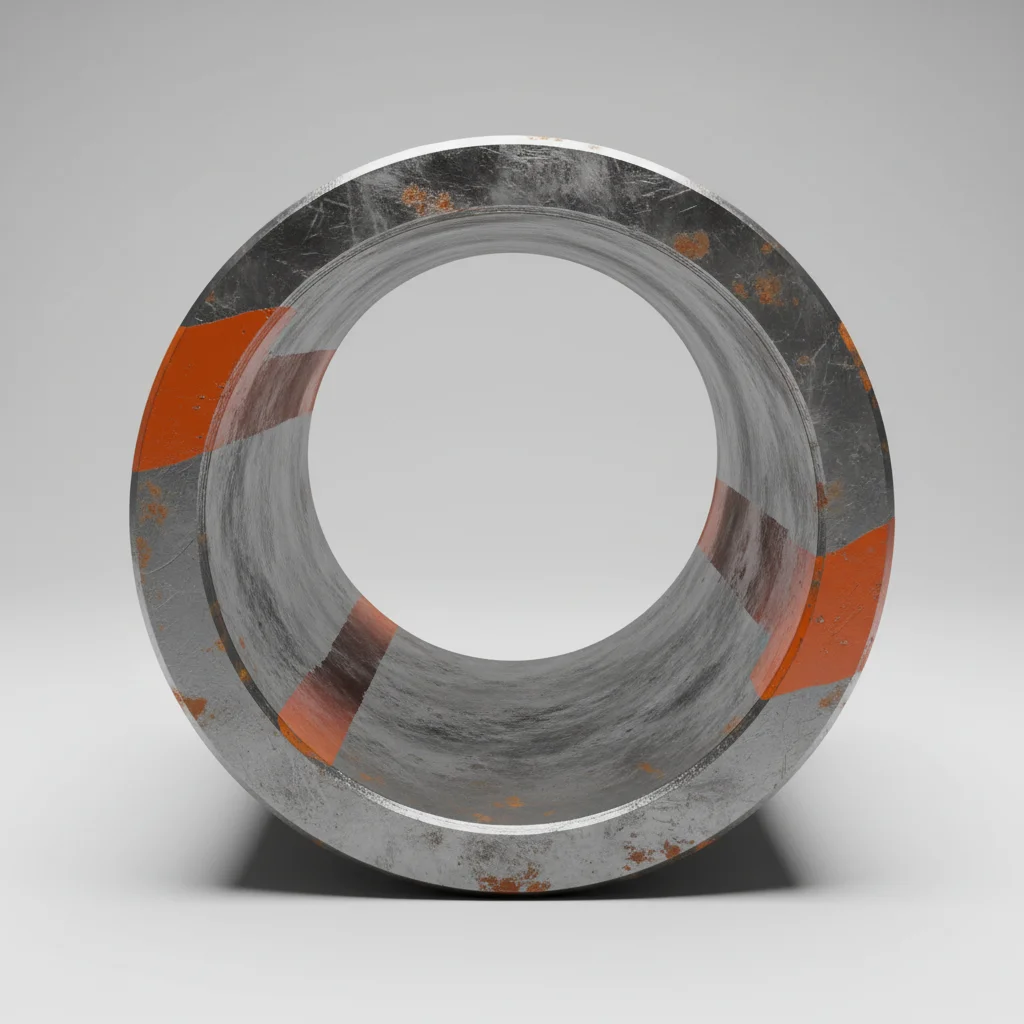

Comprehensive Guide to Carbon Steel Pipe Sch 40: Specifications and Applications
In the world of industrial piping, selecting the correct wall thickness and material is critical for safety and operational efficiency. The carbon steel pipe sch 40 is one of the most widely used standards across the manufacturing and construction sectors. Defined by the "Schedule" (Sch) system, it provides a balanced approach to pressure handling and weight. Whether you are designing a fluid transport system or structural framework, understanding the technical nuances of Schedule 40 piping is essential. This guide explores the mechanical properties, industry standards, and practical applications of this versatile piping solution to help engineers and procurement managers make informed decisions.

What Exactly is Carbon Steel Pipe Sch 40?
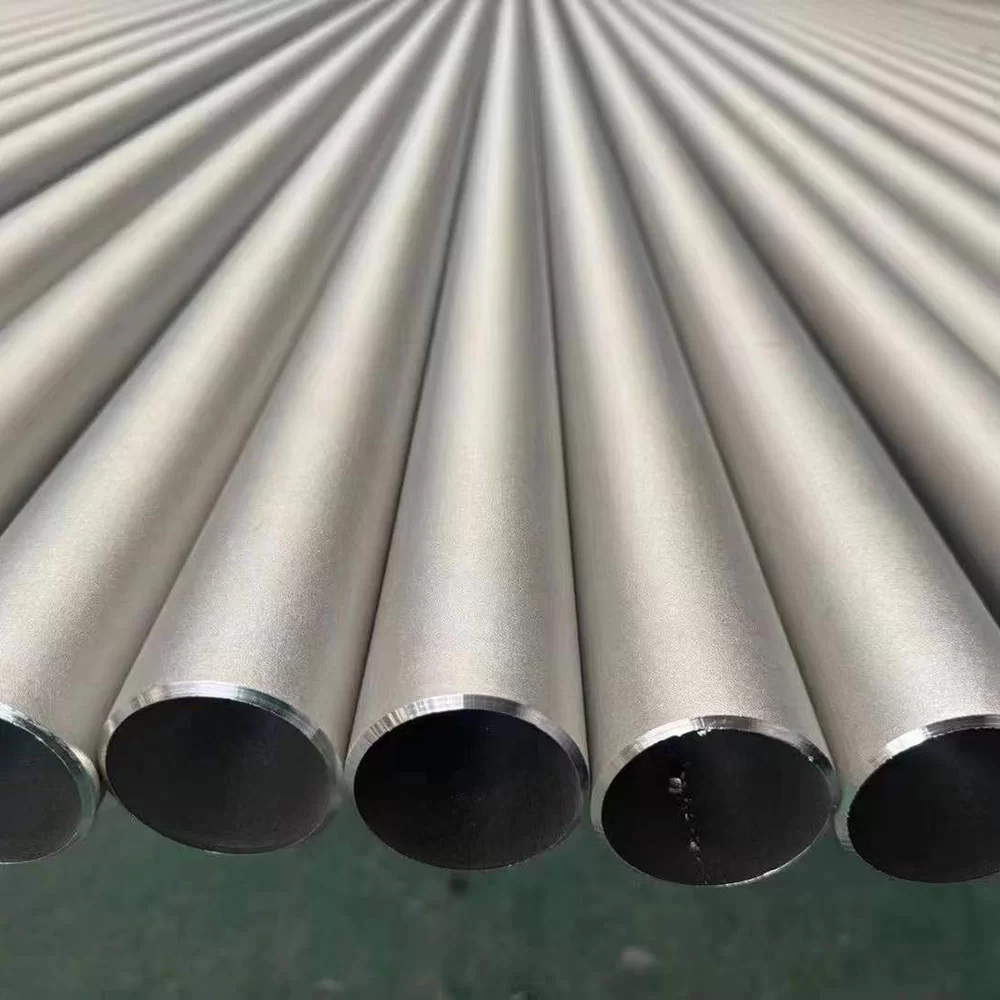
The term "Schedule 40" refers to the wall thickness of the pipe. In the carbon steel pipe sch 40 standard, the thickness is calculated based on the nominal pipe size (NPS). While the outside diameter remains constant for a given NPS, the inner diameter decreases as the schedule number increases. Schedule 40 is often considered the "standard" weight for many low-to-medium pressure applications. It is manufactured through various processes, including seamless and ERW (Electric Resistance Welded) methods, ensuring it can withstand significant internal pressure while remaining cost-effective for large-scale installations.
Technical Note: For pipes with an NPS of 10 or smaller, Schedule 40 is identical to the Standard Wall (STD) thickness. However, for larger diameters, these two classifications may differ.
Comparing Carbon Steel Pipe Sch 40 with Sch 80
Choosing between carbon steel pipe sch 40 and Schedule 80 depends primarily on the intended operating pressure and the corrosivity of the transported medium. While Sch 40 is excellent for general purpose use, Sch 80 offers a thicker wall, which provides higher pressure ratings and a greater "corrosion allowance." This means Sch 80 can survive longer in aggressive environments where internal wall erosion is a concern. However, the increased weight of Sch 80 leads to higher material costs and more complex installation requirements.
Industrial Applications of Carbon Steel Pipe Sch 40
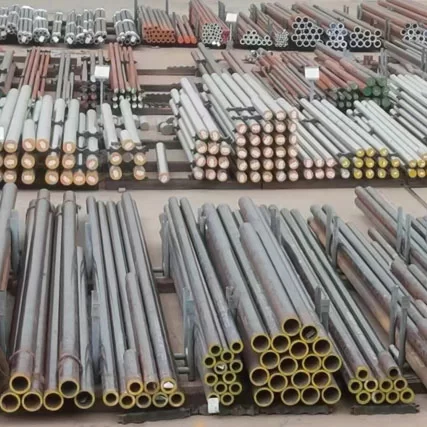
The versatility of carbon steel pipe sch 40 allows it to be used in an array of sectors. In the oil and gas industry, it is frequently employed for low-pressure transport lines and secondary piping. In water treatment plants, it serves as a reliable conduit for non-corrosive fluids. Additionally, the structural strength of carbon steel makes Sch 40 pipes ideal for handrails, scaffolding, and support frames in manufacturing facilities. Its ability to be easily welded and threaded makes it the preferred choice for rapid deployment in industrial projects where extreme pressure is not the primary concern.

Specifications and Material Standards for Carbon Steel Pipe Sch 40
To ensure safety and interoperability, carbon steel pipe sch 40 must adhere to international standards such as ASTM (American Society for Testing and Materials) and ASME (American Society of Mechanical Engineers). The most common grade is ASTM A53, which covers both seamless and welded pipes. These standards dictate the chemical composition (carbon and manganese levels) and the mechanical properties, such as tensile and yield strength. Proper certification ensures that the pipe can withstand the specified loads without deformation or catastrophic failure.
Installation and Maintenance Tips for Carbon Steel Pipes
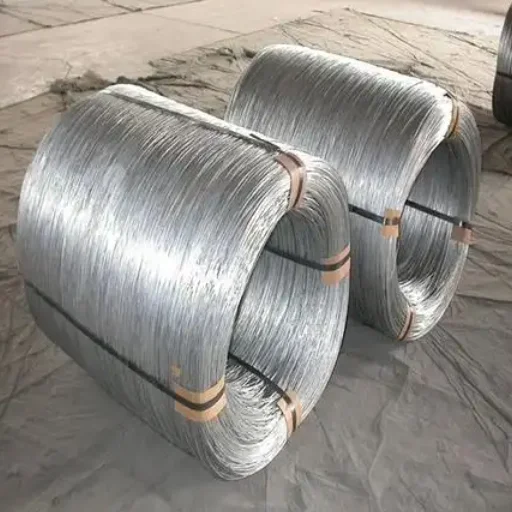
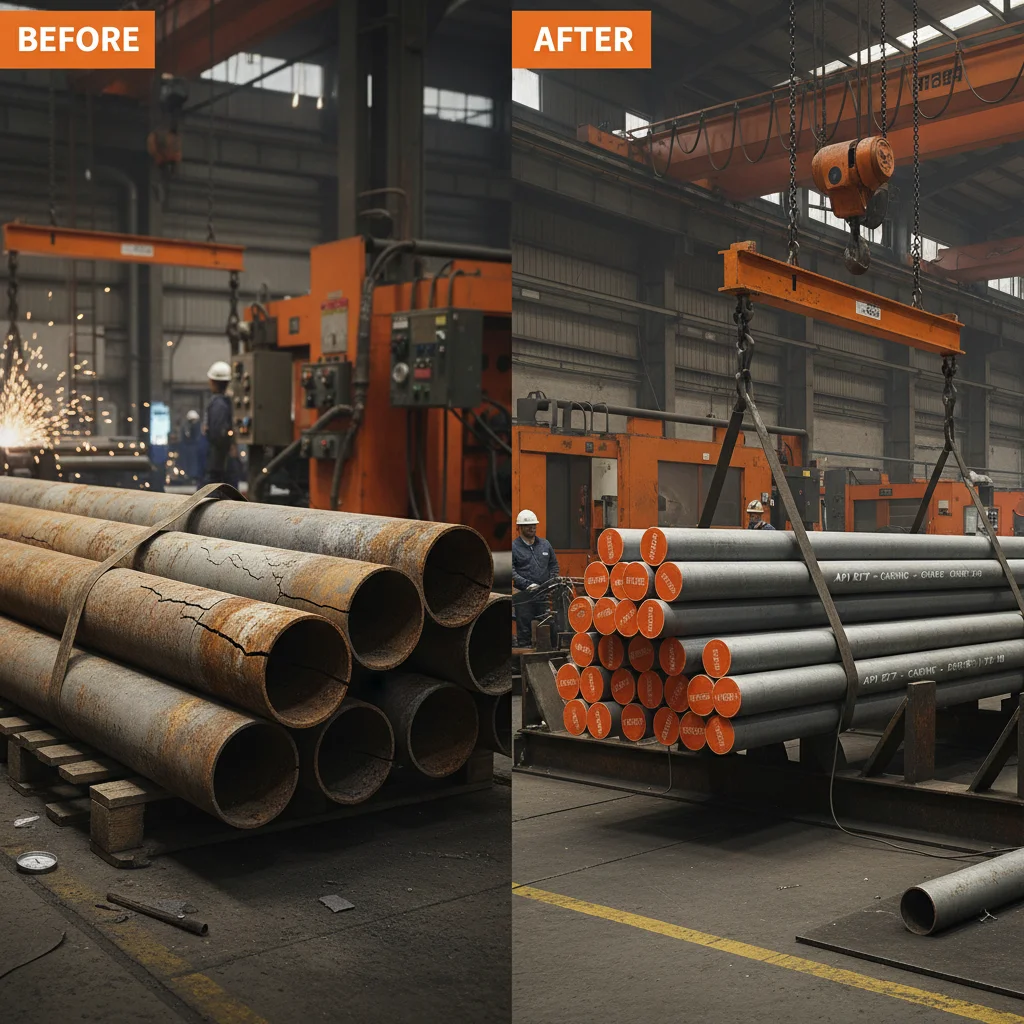
Installing carbon steel pipe sch 40 requires precision to avoid leaks and structural weaknesses. For threaded connections, high-quality sealant or PTFE tape should be used to ensure a watertight seal. For welded joints, certified welders must follow AWS (American Welding Society) guidelines to prevent porosity or cracking. Because carbon steel is susceptible to oxidation, applying a protective coating or choosing galvanized piping is recommended for humid or outdoor environments. Regular ultrasonic testing (UT) or visual inspections for corrosion are essential to maintain the integrity of the piping network over time.
Key Factors When Sourcing Carbon Steel Pipe Sch 40
When procuring carbon steel pipe sch 40, quality assurance is paramount. Buyers should always request Mill Test Reports (MTRs) to verify the chemical composition and mechanical properties of the steel. It is also important to verify the "end finish"—whether the pipes are plain-end, beveled-end for welding, or threaded. Partnering with a reputable supplier ensures that the pipes are free from surface defects and meet the exact dimensional tolerances required for your project, reducing the risk of costly onsite modifications or failures.
Conclusion: Optimizing Your System with Schedule 40 Piping
The carbon steel pipe sch 40 remains a cornerstone of industrial infrastructure due to its exceptional balance of strength, weight, and cost. By adhering to ASTM/ASME standards and implementing proper installation and maintenance protocols, companies can ensure a safe and durable piping system. Whether for water, oil, or structural needs, choosing a high-quality Schedule 40 pipe is a strategic investment in the longevity and reliability of your industrial operations.
Frequently Asked Questions (FAQs)
What does "Schedule 40" actually mean for a pipe?
"Schedule" is a dimensionless number used to designate the wall thickness of a pipe. Schedule 40 is a specific thickness standard defined by ASME B36.10M. For a given nominal pipe size (NPS), the Schedule 40 designation tells the engineer exactly how thick the pipe wall is. This allows for the calculation of the pipe's internal diameter and its ability to withstand specific internal pressures. It is the most common weight for general-purpose carbon steel piping in industrial settings.
Can carbon steel pipe sch 40 be used for potable water?
Yes, it can be used, but it is generally not recommended in its "black" (uncoated) form because carbon steel rusts when exposed to water and oxygen. For potable water applications, galvanized carbon steel pipe sch 40 is typically used. The zinc coating protects the steel from corrosion. However, in many modern installations, stainless steel or PVC is preferred for drinking water to avoid any risk of contamination or internal scaling over time.
What is the difference between seamless and welded Sch 40 pipe?
Seamless pipe is manufactured by piercing a solid billet of steel, resulting in a pipe with no longitudinal seam. This makes it superior for high-pressure and critical applications as there is no weld point that could potentially fail. Welded pipe (ERW) is made from a steel strip that is rolled into a cylinder and welded along the seam. Welded pipe is generally more cost-effective and is perfectly suitable for lower-pressure applications where the carbon steel pipe sch 40 standard is applied.
How do I prevent corrosion in my Schedule 40 piping system?
The most effective way to prevent corrosion in carbon steel pipes is through surface protection. This can include applying industrial primers and paints, using galvanized piping, or employing cathodic protection for underground lines. Additionally, ensuring that the system is properly drained or purged of corrosive chemicals during downtime can significantly extend the life of the pipe. Regular maintenance and the use of corrosion inhibitors in the fluid stream are also highly recommended for industrial systems.