Understanding API 5L Specification: The Standard for Line Pipe
In the global oil and gas industry, the integrity of pipelines is non-negotiable. The api 5l specification serves as the definitive benchmark for the manufacture of line pipes, ensuring that materials can withstand extreme pressures and corrosive environments. Whether transporting crude oil, natural gas, or water, adhering to these rigorous standards is essential for preventing leaks and ensuring environmental safety. In this guide, we will break down the technical complexities of the API 5L standard and help you choose the right grade for your infrastructure needs.
The Core Objectives of API 5L Standards
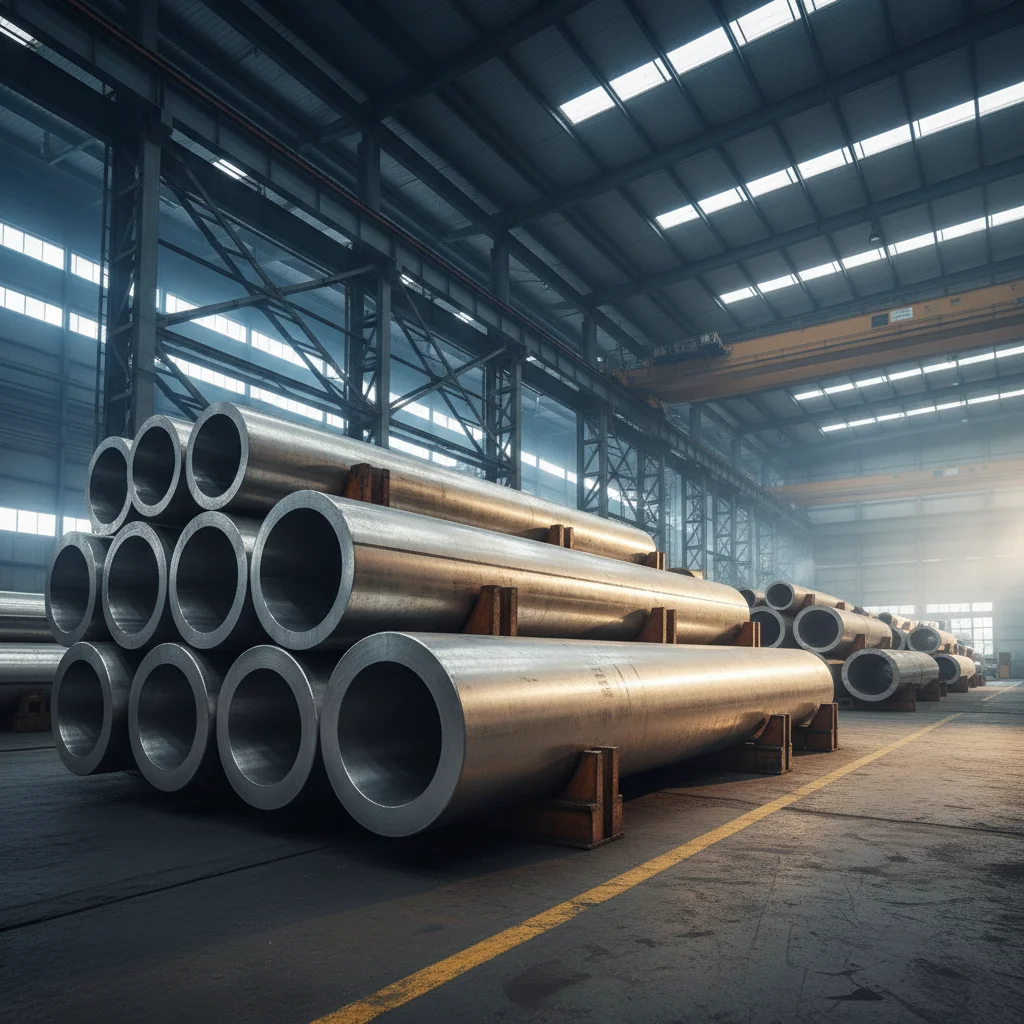
The primary goal of the api 5l specification is to provide a uniform set of requirements for the delivery of seamless and welded steel pipe. By standardizing chemical composition, mechanical properties, and manufacturing processes, API ensures that pipes from different suppliers are compatible and safe. This consistency is vital for engineers who must calculate the maximum allowable operating pressure (MAOP) and the structural longevity of a pipeline network. From the raw steel melt to the final hydrostatic test, every step is monitored to eliminate defects.
Critical Focus Areas: The specification emphasizes weld quality, toughness (Charpy V-notch tests), and dimensional tolerances to ensure that pipes can be welded in the field without risking structural failure.
Comparing PSL 1 vs. PSL 2 in API 5L Specification
One of the most important distinctions within the api 5l specification is the Product Specification Level (PSL). PSL 1 is the basic requirement, suitable for less demanding environments. However, PSL 2 is far more stringent, requiring mandatory chemical analysis and impact testing. PSL 2 pipes are designed for high-stress applications, such as offshore drilling or pipelines crossing hazardous terrain, where failure is not an option. Choosing between them depends entirely on the risk profile and the operating conditions of your project.
Common Grades under the API 5L Specification
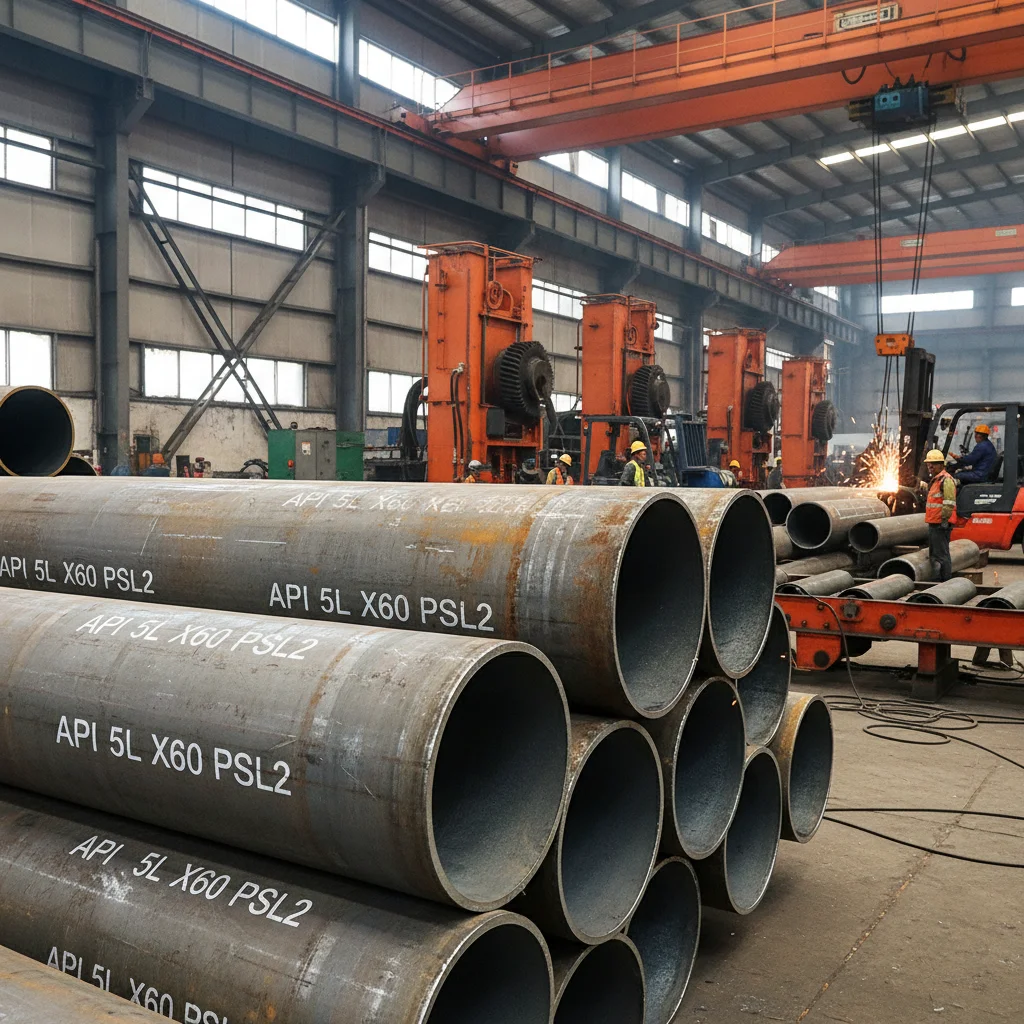
The api 5l specification defines several grades of steel, typically categorized by their minimum yield strength. Grades like B, X42, X52, X60, X65, and X70 are common. The "X" denotes high-strength steel, with the number representing the minimum yield strength in thousands of psi. For instance, X65 steel has a minimum yield strength of 65,000 psi. Selecting the correct grade is a balance between cost, weight (wall thickness), and the pressure requirements of the pipeline. Higher grades allow for thinner walls while maintaining the same pressure rating, which can significantly reduce material and shipping costs.
Manufacturing Processes for API 5L Pipes
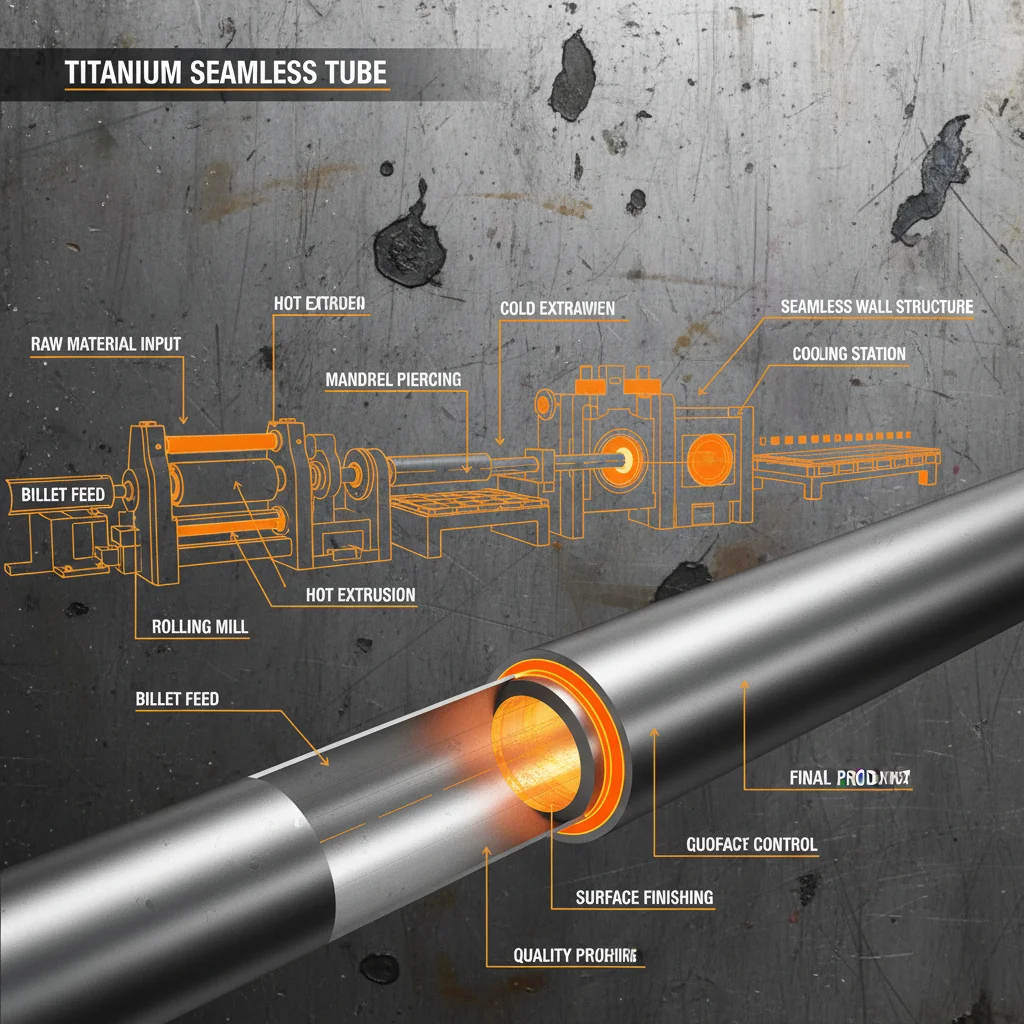
Pipes meeting the api 5l specification are produced using two main methods: Seamless (SMLS) and Welded (WELD). Seamless pipes are created by piercing a solid billet of steel, making them ideal for very high-pressure applications as they have no longitudinal seam. Welded pipes, including Electric Resistance Welded (ERW) and Longitudinal Submerged Arc Welded (LSAW), are formed from steel plates or strips. While welded pipes are more cost-effective for large diameters, they undergo rigorous Non-Destructive Testing (NDT) such as ultrasonic or X-ray inspection to ensure the weld seam is as strong as the parent metal.
Technical Data: API 5L Product Specifications
To provide a clearer understanding of the technical requirements, the following table outlines the typical mechanical properties expected under the api 5l specification for popular grades. These values ensure that the pipe can withstand the tensile stresses encountered during installation and long-term operation.
Testing and Quality Control Requirements
Compliance with the api 5l specification is verified through a series of exhaustive tests. Hydrostatic testing is perhaps the most critical, where the pipe is filled with water and pressurized beyond its operating limit to check for leaks or deformation. Additionally, Non-Destructive Examination (NDE) is employed to find internal flaws without damaging the material. For PSL 2 pipes, the specification also requires notch toughness testing to ensure the steel does not become brittle at low temperatures, which is a common cause of catastrophic pipeline fractures in cold climates.
Conclusion: Ensuring Safety with API 5L Compliance
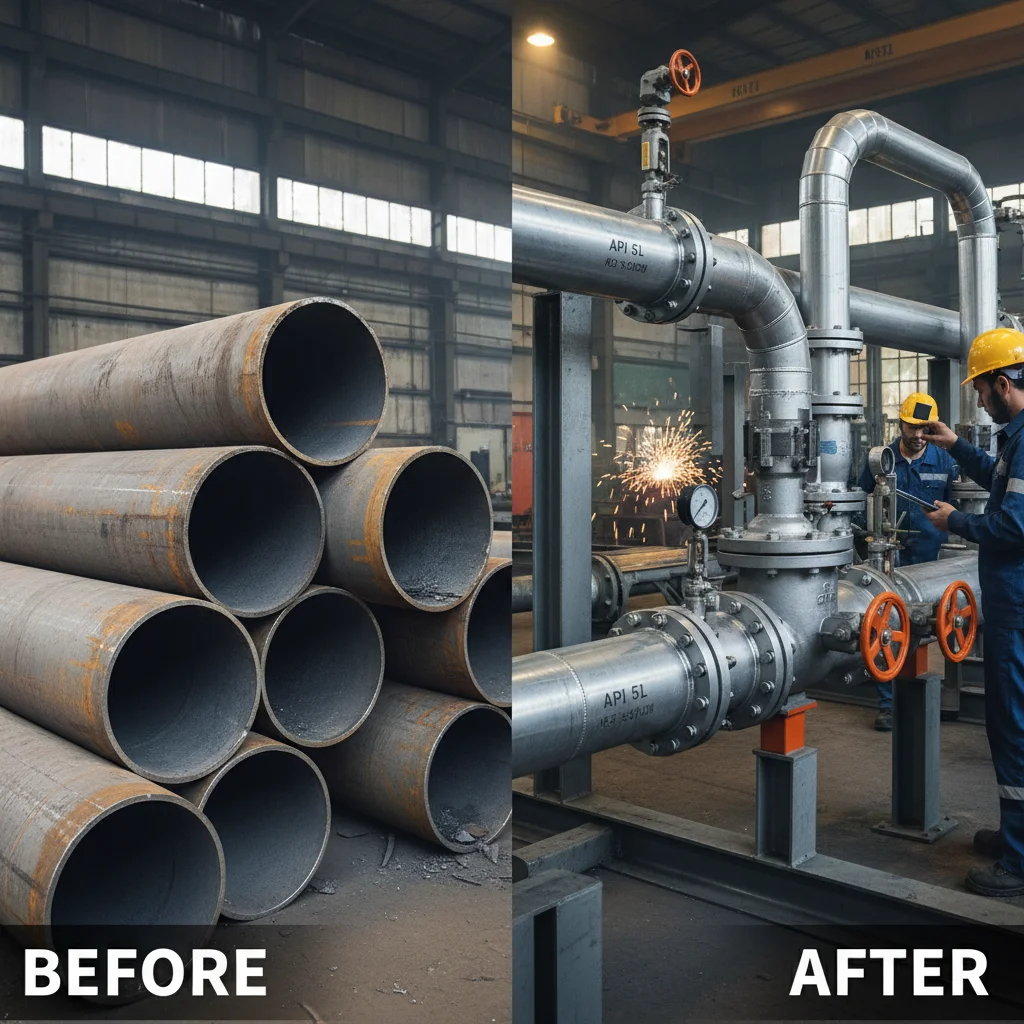
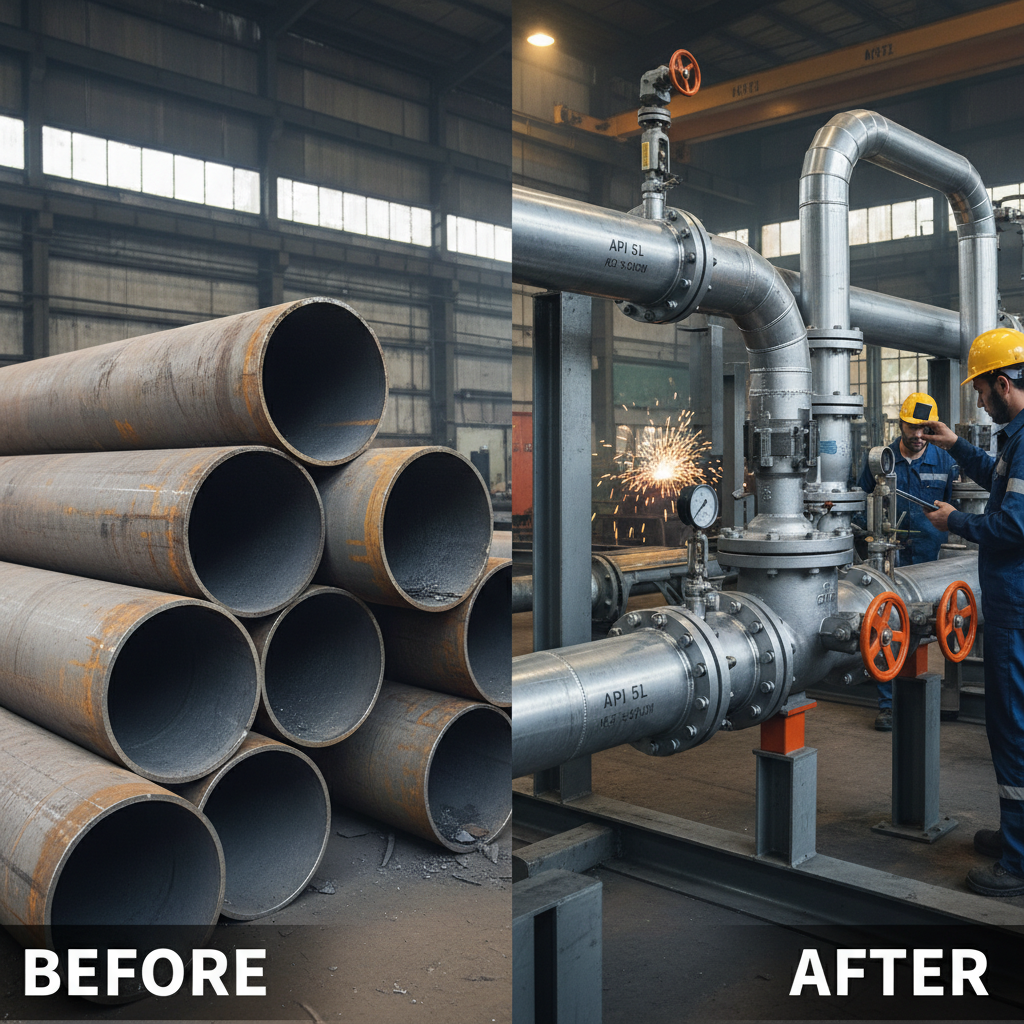
The api 5l specification is more than just a technical document; it is the foundation of pipeline safety and reliability worldwide. By carefully selecting the appropriate PSL level and steel grade, project managers can optimize cost without compromising structural integrity. Whether you are dealing with high-pressure gas transmission or basic water transport, sourcing pipes that strictly adhere to these standards is the only way to ensure long-term operational success. Trust in certified materials to protect your assets and the environment.
Frequently Asked Questions (FAQs)
What is the main difference between API 5L PSL 1 and PSL 2?
The primary difference lies in the rigor of the quality requirements. PSL 1 is a basic grade suitable for low-pressure or low-risk environments. PSL 2 has much stricter requirements for chemical composition, mandatory impact testing for toughness, and more stringent weldability limits (Carbon Equivalent). In short, PSL 2 is designed for high-risk, high-pressure, or extreme temperature environments where failure would have severe consequences.
How do I choose the right grade (e.g., X52 vs X70) for my project?
Choosing a grade depends on the internal pressure the pipe must withstand and the external loads it will face. Higher grades like X70 have a higher yield strength, allowing you to use a thinner wall thickness to achieve the same pressure rating as a thicker X52 pipe. This can reduce the total weight of the project and lower shipping costs. However, higher grades may require more specialized welding procedures. Consulting an engineer with the api 5l specification is always recommended.
Are seamless pipes always better than welded pipes under API 5L?
"Better" depends on the application. Seamless pipes are generally preferred for very high-pressure systems because they lack a weld seam, which is often the most vulnerable point of a pipe. However, welded pipes (like LSAW or ERW) are much more economical for large diameters and are perfectly safe if they are manufactured and tested according to API 5L standards. Modern NDT techniques ensure that the weld seam in API 5L pipes is incredibly reliable.
What tests are mandatory for API 5L compliance?
At a minimum, all API 5L pipes must undergo visual inspection and dimensional checks. Hydrostatic testing is standard for verifying pressure integrity. For PSL 2, additional mandatory tests include chemical analysis of the steel heat, mechanical tensile testing, and Charpy V-notch impact tests to ensure the material is not prone to brittle fracture. These tests ensure that every foot of pipe delivered to the site meets the global safety standard.


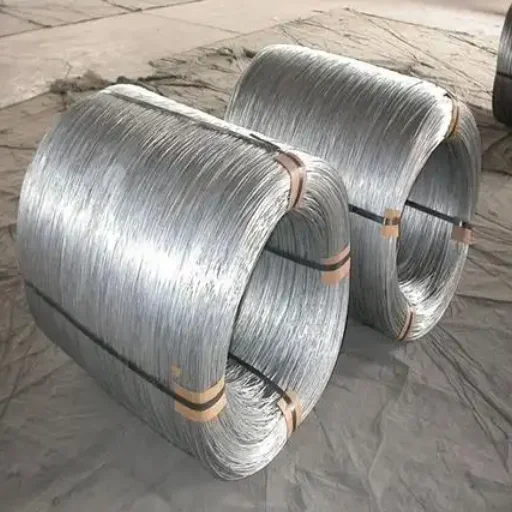
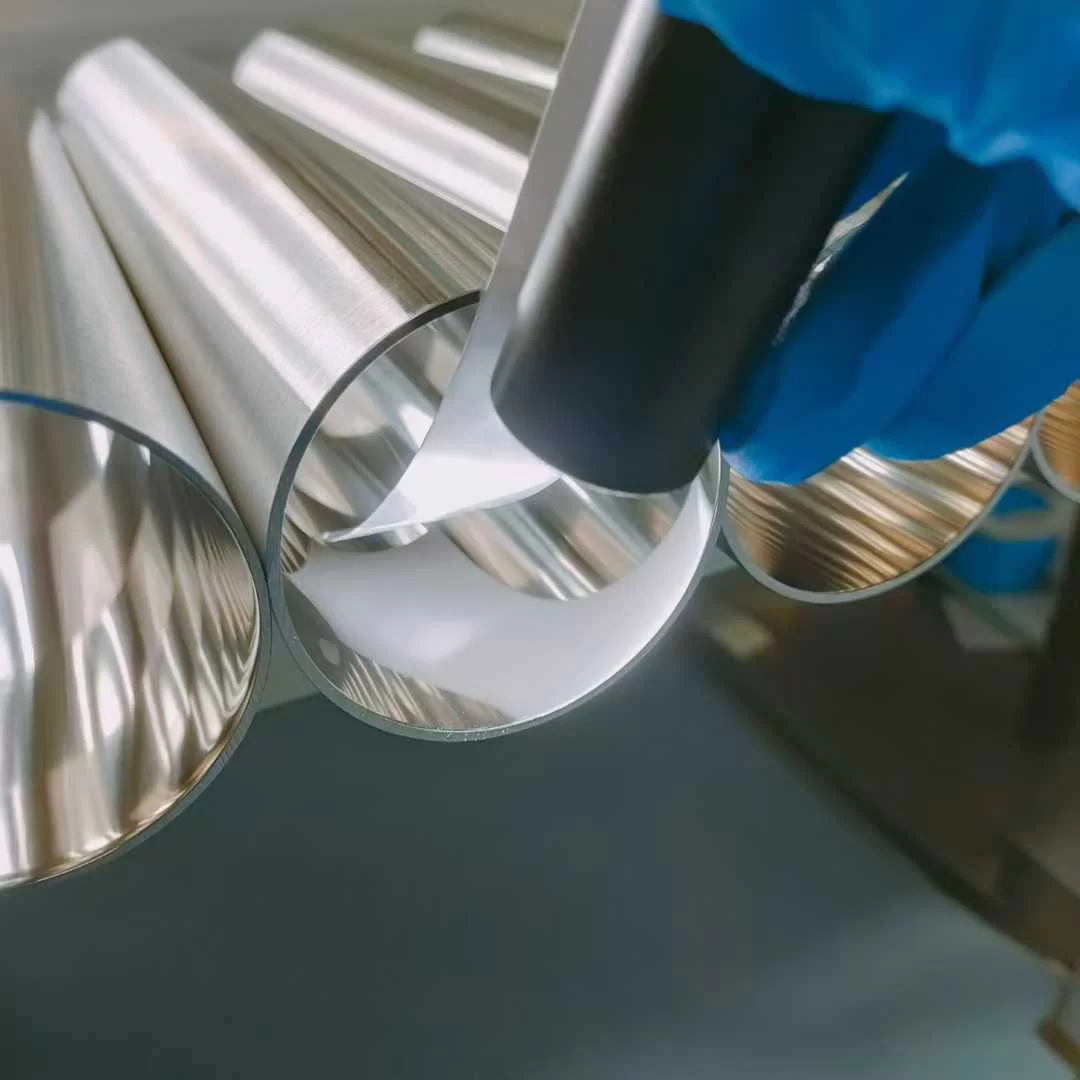
-20251219064452.webp "Stainless Welded Steel Pipes")
-20251219071741.webp "Nickel Alloy Welded Pipes")
-20251219052202.webp "Titanium Seamless Pipes")