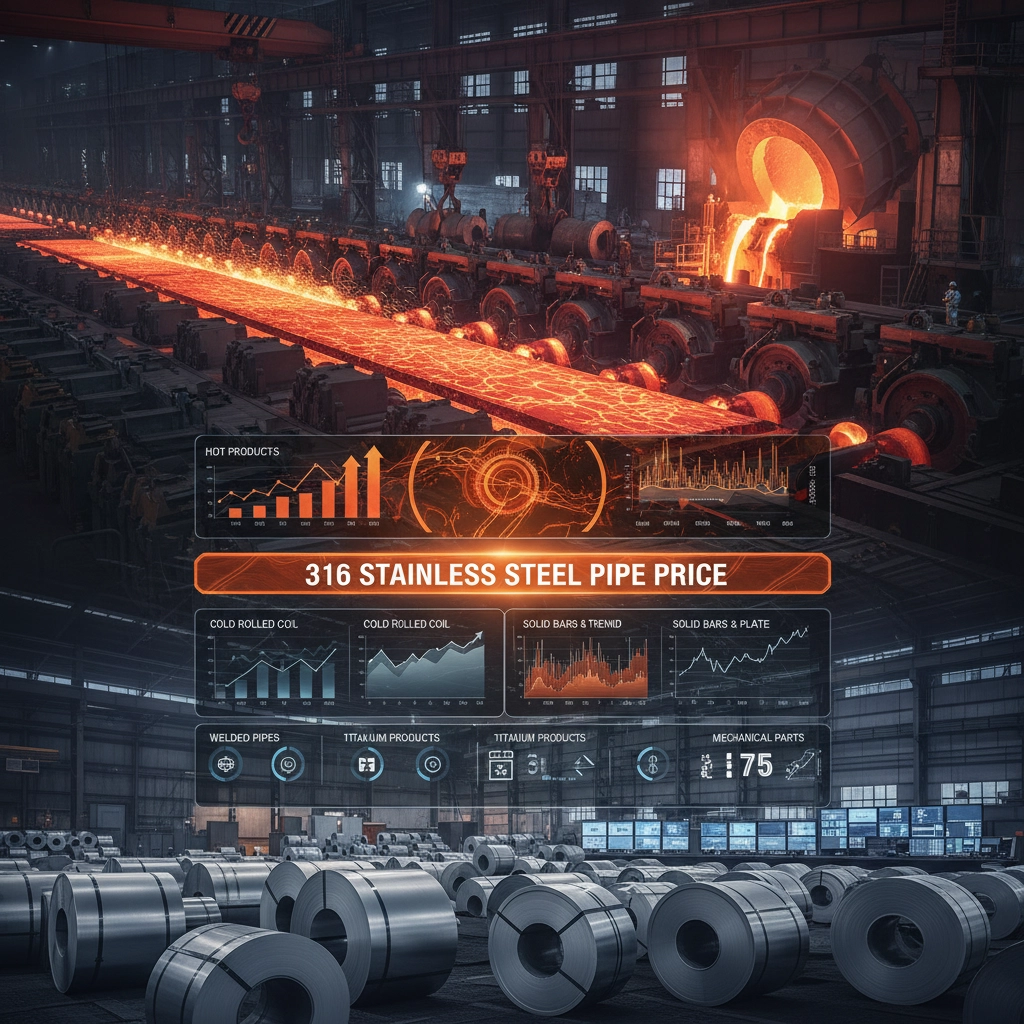
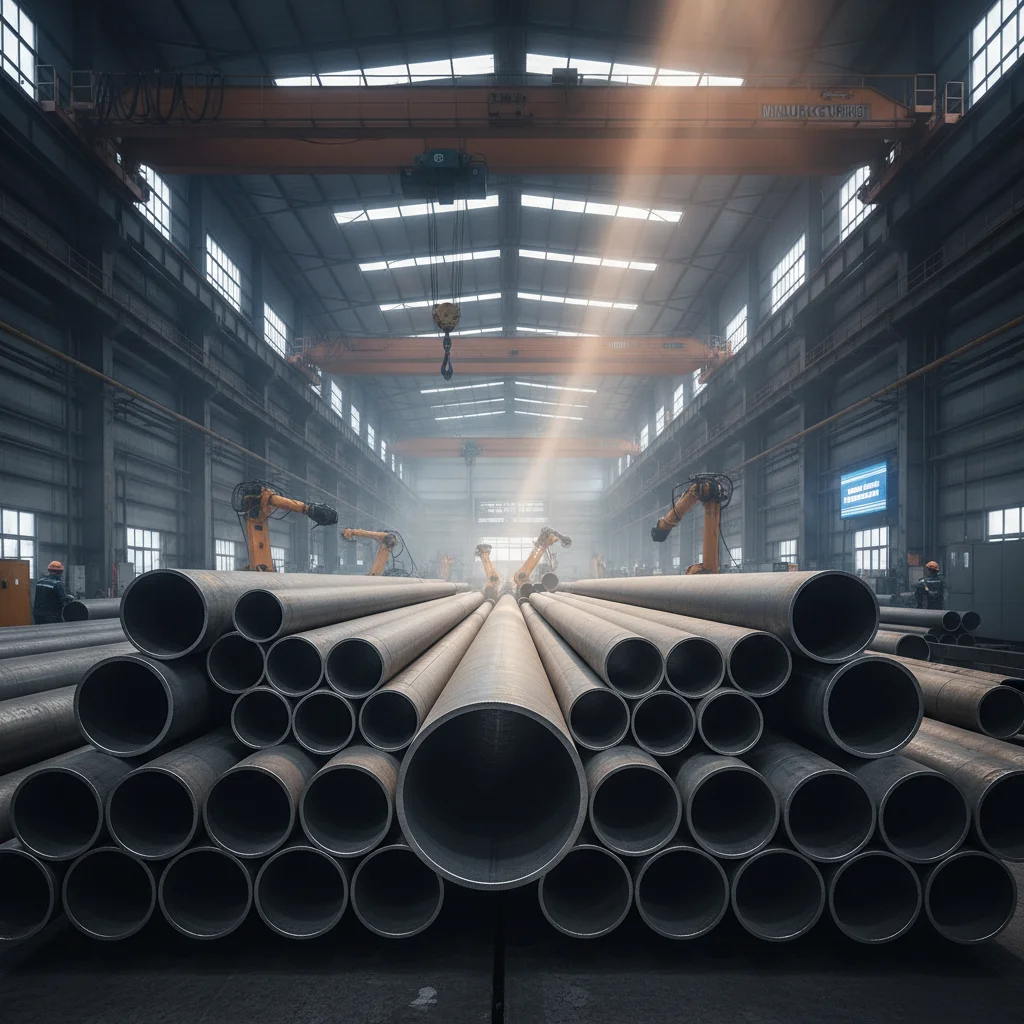
Navigating the complexities of industrial procurement requires a deep understanding of material costs, and the 316 stainless steel pipe price remains one of the most critical variables for engineers and procurement managers globally. Due to its superior molybdenum content, 316 grade stainless steel offers unparalleled resistance to chlorides and pitting, making it the gold standard for marine and chemical environments. Understanding the price fluctuations of this specific alloy is not just about budgeting; it is about ensuring the long-term structural integrity of critical infrastructure.
On a global scale, the 316 stainless steel pipe price is influenced by a volatile mix of raw material costs—specifically nickel and molybdenum—and geopolitical shifts affecting mining outputs. According to industry benchmarks and ISO standards for metallurgy, the shift toward sustainable infrastructure has increased the demand for high-corrosion-resistant alloys, leading to a more dynamic pricing landscape. For companies operating in the pharmaceutical or petrochemical sectors, a slight shift in market rates can significantly impact the CAPEX of a new facility.
The challenge for many buyers lies in the "opacity" of the market, where spot prices and contract prices often diverge. By analyzing the factors that drive the 316 stainless steel pipe price, businesses can move from reactive purchasing to strategic sourcing. This guide aims to demystify the costing mechanisms and provide a technical yet commercial perspective on why this material is worth its premium and how to optimize your acquisition strategy.
Market Drivers of 316 Stainless Steel Pipe Price
The primary driver behind the 316 stainless steel pipe price is the cost of alloying elements, most notably molybdenum. Unlike the 304 grade, 316 contains 2-3% molybdenum, which provides the essential protection against pitting corrosion in saline environments. When molybdenum mining outputs fluctuate in key regions like China or South America, the ripple effect is felt immediately in the per-ton price of finished piping.
Furthermore, the energy intensity of the smelting and rolling process contributes significantly to the final cost. As global energy policies shift toward decarbonization, steel mills are investing in electric arc furnaces (EAF), which may initially raise production costs but offer a more sustainable long-term pricing model. This interplay between raw mineral availability and energy costs creates the volatile price curves seen in the current market.
Technical Specifications Influencing Cost
Not all 316 pipes are priced equally; the manufacturing method—whether seamless or welded—plays a pivotal role in the 316 stainless steel pipe price. Seamless pipes, produced by piercing a solid billet, are significantly more expensive due to the complexity of the process and the higher quality of the resulting wall thickness. They are indispensable for high-pressure applications where any weld seam could represent a potential point of failure.
Wall thickness (schedule) and diameter also create non-linear pricing scales. As the wall thickness increases, the material volume grows, but the difficulty of maintaining concentricity and surface finish also increases, adding a "technical premium" to the cost. Precision-drawn pipes for instrumentation often command a higher price per pound than large-diameter industrial piping because of the tighter tolerances required.
Finally, the surface finish—whether it is a standard pickled finish, a polished mirror finish, or an electropolished surface—adds a final layer of cost. For hygienic industries like food processing or biotechnology, the requirement for an ultra-smooth internal surface to prevent bacterial growth increases the processing time and labor, thereby elevating the final 316 stainless steel pipe price.
Comparative Analysis of Alloy Pricing
When analyzing the 316 stainless steel pipe price, it is helpful to compare it against 304 and 316L. Grade 304 is the most economical choice for general use, but it lacks the molybdenum necessary for harsh chemicals. Consequently, 316 is typically 20% to 40% more expensive than 304, a gap that is directly attributable to the additive costs of molybdenum and slightly higher nickel content.
The 316L variant, which is a low-carbon version of 316, often shares a similar 316 stainless steel pipe price. The primary difference is that 316L is designed to prevent carbide precipitation during welding, making it the preferred choice for welded structures. While the raw material cost is nearly identical, the "value" added by 316L in preventing intergranular corrosion justifies its adoption in heavy-duty chemical piping.
Compared to exotic alloys like Titanium or Hastelloy, the 316 stainless steel pipe price is remarkably reasonable. While Titanium offers superior weight-to-strength ratios and extreme corrosion resistance, it can cost several times more than 316. For the vast majority of industrial applications, 316 represents the optimal balance between performance and cost-efficiency.
Cost Efficiency in Industrial Applications
Achieving cost efficiency isn't about finding the lowest 316 stainless steel pipe price, but about calculating the Total Cost of Ownership (TCO). In coastal refineries or desalination plants, using a cheaper alloy like 304 would lead to premature failure and frequent replacements. The higher initial investment in 316 grade piping is offset by the drastic reduction in maintenance downtime and the extension of the facility's lifecycle.
Moreover, the scalability of 316 stainless steel systems allows for modular expansion. By standardizing on a high-quality alloy, plants can ensure that additions to their piping networks are compatible and maintain the same corrosion standards. This strategic foresight prevents the "patchwork" effect where different grades of steel are mixed, which can lead to galvanic corrosion and unexpected structural failures.
Comparative Value Index of 316 Stainless Steel Pipe Price Factors
Global Logistics and Price Surcharges
The final 316 stainless steel pipe price quoted to a customer is rarely just the cost of the steel. Shipping large-diameter pipes requires specialized logistics to prevent deformation and surface scratching. Freight costs, especially for oversized loads, can add a significant percentage to the landed cost, making local sourcing more attractive despite potentially higher base prices.
Additionally, import tariffs and trade policies between major steel-producing nations can create sudden spikes in the 316 stainless steel pipe price. Anti-dumping duties, for example, can fluctuate based on trade disputes, forcing procurement officers to hedge their risks by diversifying their supplier base across different geographical regions to ensure a steady supply chain.
Long-Term Value vs Initial Investment
When stakeholders evaluate the 316 stainless steel pipe price, there is often a tension between the procurement budget and the operational budget. From a logical standpoint, the reliability of 316 steel reduces the risk of catastrophic leaks, which in chemical plants can lead to millions of dollars in environmental cleanup and legal liabilities. The "insurance" provided by the higher grade of steel is a tangible asset.
From a sustainability perspective, the longevity of 316 stainless steel contributes to a lower carbon footprint over the building's life. Because the material is 100% recyclable and lasts decades longer than carbon steel or plastic alternatives in corrosive environments, it embodies the principles of circular economy. The higher initial price is essentially a payment toward a more sustainable and durable future.
Trust and safety are the ultimate dividends of investing in quality. In sectors like pharmaceutical manufacturing, where contamination can lead to recalled batches and loss of life, the 316 stainless steel pipe price is a secondary concern to the assurance that the piping will not leach ions into the product or succumb to pitting corrosion.
Future Forecasts for Stainless Steel Markets
Looking ahead, the 316 stainless steel pipe price is expected to be influenced by the "Green Steel" revolution. As manufacturers shift toward hydrogen-based reduction instead of coking coal, the production cost of high-alloy steels may increase in the short term, but the value of "certified green" steel will likely command a premium in the global market.
Digital transformation is also altering how we perceive pricing. Real-time tracking of raw material indices (like the LME for Nickel) allows for more transparent "index-based pricing," where the 316 stainless steel pipe price fluctuates automatically based on market data, reducing the risk of overpaying during market dips.
Furthermore, the rise of additive manufacturing (3D printing) for complex piping manifolds may reduce material waste. While the per-kilogram cost of 316 powder is higher than bulk pipe, the ability to print "near-net-shape" components could lower the overall project cost, shifting the focus from the pipe price to the system price.
Comparative Analysis of 316 Pipe Cost Factors Across Industries
| Industry Sector |
Price Sensitivity |
Primary Cost Driver |
ROI Duration |
| Marine/Offshore |
Low |
Corrosion Resistance |
5-10 Years |
| Pharmaceutical |
Medium |
Surface Finish/Polishing |
3-7 Years |
| Food & Beverage |
High |
Material Volume |
2-5 Years |
| Oil & Gas |
Low |
Wall Thickness/Pressure |
10+ Years |
| Chemical Plants |
Medium |
Alloy Purity (316L) |
5-8 Years |
| Water Treatment |
High |
Logistics/Shipping |
7-12 Years |
FAQS
The price difference is primarily due to the addition of molybdenum (2-3%) in grade 316. Molybdenum significantly enhances the metal's resistance to pitting and crevice corrosion, especially in chloride-rich environments like seawater. Since molybdenum is a more expensive raw material than the chromium and nickel found in 304, the final market price for 316 piping is naturally higher.
The pricing of 316 stainless steel is heavily tied to the London Metal Exchange (LME) prices for nickel and molybdenum. If there is a supply shortage or geopolitical instability in mining regions, the cost of these alloys spikes. Because these elements make up a significant portion of the 316 chemistry, mills pass these costs directly to the end-user via the pipe price.
Yes, generally seamless pipes are more expensive because they require a more complex manufacturing process—piercing a solid billet—which involves more energy and tighter quality control. Welded pipes are formed from strips and then joined, which is faster and cheaper. However, for high-pressure or critical safety applications, the higher cost of seamless 316 is a necessary investment.
Absolutely. While the base material price remains the same, the processing cost varies. A standard "mill finish" is the cheapest. A "polished" or "mirror" finish requires mechanical grinding and buffing, while "electropolishing" uses an electrochemical process to remove microscopic peaks. These additional labor-intensive steps can increase the overall price per meter significantly.
The best way to mitigate price volatility is through forward contracting or blanket orders. By agreeing on a volume and a price with a supplier for a set period (e.g., 6-12 months), you can protect your project from sudden market spikes. Some companies also use index-linked pricing to ensure they benefit if raw material costs drop during the project duration.
In most cases, the price difference between 316 and 316L is negligible. 316L is simply a low-carbon version of 316. While the chemistry is slightly different to prevent "sensitization" during welding, the raw material costs are nearly identical. The value of 316L lies in its performance during welding rather than a significant difference in the base market price.
Conclusion
Understanding the 316 stainless steel pipe price requires a holistic view that balances immediate raw material costs against long-term operational reliability. From the influence of molybdenum markets to the technical nuances of seamless versus welded production, every factor contributes to a final cost that reflects the material's exceptional ability to withstand the world's most corrosive environments. By focusing on the Total Cost of Ownership rather than the initial invoice, industrial operators can make procurement decisions that safeguard their infrastructure for decades.
As we move toward a future of "Green Steel" and digital pricing indices, the transparency of the stainless steel market will only improve. We suggest that procurement managers stay informed on LME trends and prioritize suppliers who can offer technical guidance on grade selection to avoid over-specifying or under-specifying materials. Investing in the right grade today prevents the costly failures of tomorrow. For high-quality piping solutions and current market insights, visit our website: www.benkoometal.com.