0%

Table of Contents

The selection of high-performance materials is the cornerstone of modern industrial infrastructure, and the ss316l pipe stands as a gold standard for environments demanding extreme corrosion resistance and hygiene. By utilizing a low-carbon version of the 316 stainless steel alloy, this piping solution prevents carbide precipitation during welding, making it indispensable for critical fluid transport.

Globally, the demand for ss316l pipe has surged as industries migrate toward more sustainable and durable infrastructure. From the depths of offshore oil rigs to the sterile corridors of pharmaceutical labs, the ability of this material to withstand chlorides and organic acids ensures operational safety and reduces the frequency of costly replacements.

Understanding the technical nuances of ss316l pipe is not merely a matter of engineering preference but a strategic necessity for risk mitigation. This comprehensive guide explores why this specific alloy grade is preferred over standard options and how its integration contributes to the longevity of global industrial assets.
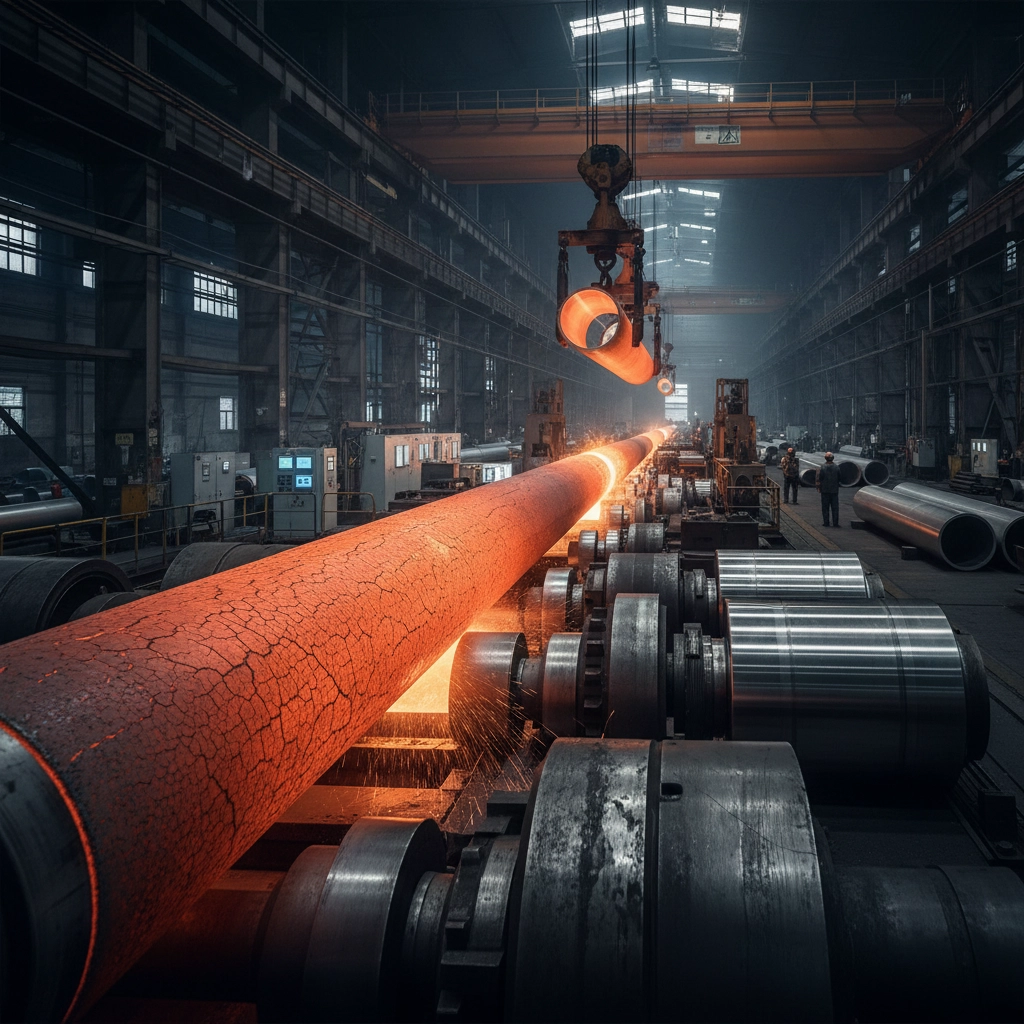
ss316l pipe

Global Relevance of ss316l pipe in Modern Industry
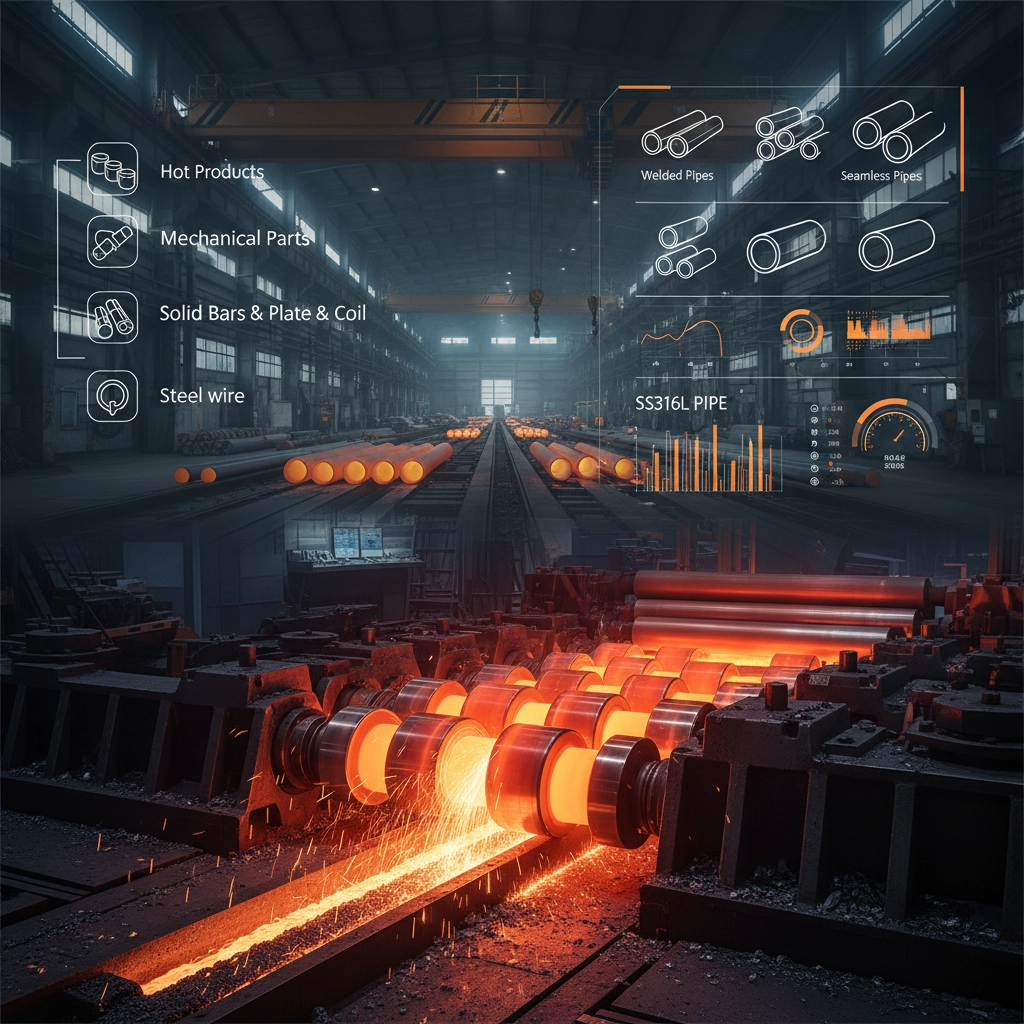
ss316l pipe

In the current global industrial landscape, the reliability of fluid conveyance systems is paramount. The ss316l pipe has become a pivotal component in meeting ISO standards for quality and safety, particularly in sectors where contamination is a critical risk. As emerging economies expand their chemical and pharmaceutical capacities, the reliance on low-carbon stainless steel ensures that infrastructure can withstand aggressive processing environments.

The challenge addressed by the adoption of these pipes is the pervasive issue of intergranular corrosion. Traditional stainless steels often suffer from "sensitization" during the welding process, which leads to premature failure in saline or acidic environments. By utilizing the "L" (low carbon) variant, industries can deploy vast networks of piping with the confidence that the structural integrity remains intact across thousands of welded joints.

Defining the Technical Essence of ss316l pipe

At its core, an ss316l pipe is a molybdenum-bearing austenitic stainless steel tube designed for maximum corrosion resistance. The addition of molybdenum significantly enhances its ability to resist pitting and crevice corrosion in chloride-rich environments, such as seawater or de-icing salts, making it superior to the standard 304 grade.

The "L" designation refers to the low carbon content (typically below 0.03%), which is the defining characteristic that separates it from standard 316. This modification is crucial for modern industry because it allows for welding without the need for subsequent annealing, reducing fabrication time and costs while increasing the safety profile of the finished installation.

Beyond the chemical composition, these pipes are engineered to meet various humanitarian and industrial needs, including the transport of ultrapure water in semiconductor manufacturing and the delivery of sterile fluids in medical devices. This intersection of metallurgy and utility makes the ss316l pipe a fundamental building block of 21st-century engineering.

Core Components and Material Advantages

The durability of an ss316l pipe is derived from its balanced chemical architecture. The chromium creates a passive oxide layer that protects the bulk metal from oxidation, while the nickel stabilizes the austenitic structure, providing excellent ductility and toughness even at cryogenic temperatures.

Scalability and versatility are further enhanced by the material's excellent weldability. Because the ss316l pipe avoids the formation of chromium carbides at the grain boundaries, it can be scaled from small-diameter capillary tubes in lab equipment to massive industrial conduits in oil refineries without compromising the corrosion-resistant properties.

Cost efficiency in the long term is achieved through the reduction of maintenance cycles. While the initial investment in an ss316l pipe may be higher than carbon steel or 304 stainless, the total cost of ownership is significantly lower due to the elimination of frequent corrosion-related repairs and the extended lifespan of the system.

Industrial Application Benchmarks

Evaluating the performance of ss316l pipe requires looking at specific KPIs such as the Pitting Resistance Equivalent Number (PREN). In practical terms, this allows engineers to predict how the material will behave when exposed to specific concentrations of chlorides, ensuring that the pipe thickness and grade are optimized for the specific environment.

The following data illustrates the comparative performance of various ss316l pipe fabrication methods across key industrial requirements, demonstrating why certain processing techniques are preferred for high-pressure versus high-hygiene applications.

Comparative Performance of ss316l pipe Variants

Global Use Cases and Sector Deployment

In the pharmaceutical and biotech sectors, the ss316l pipe is the only viable choice for "Clean-in-Place" (CIP) systems. Its smooth internal surface and resistance to aggressive cleaning agents prevent the buildup of biofilms and ensure that medicinal products remain untainted. This is especially critical in the EU and North America, where FDA and EMA regulations mandate strict material purity.

Beyond laboratories, these pipes are heavily utilized in remote industrial zones and offshore platforms. For example, in deep-sea oil extraction in the Gulf of Mexico or the North Sea, ss316l pipe networks are deployed to handle saline-laden fluids, preventing the catastrophic leaks that could lead to environmental disasters. The material provides a safety buffer that protects both human life and marine ecosystems.

Long-Term Value and Sustainability Impact

The long-term value of investing in ss316l pipe extends beyond simple economics; it is a cornerstone of sustainable engineering. Because the material is 100% recyclable without loss of quality, it supports a circular economy. Replacing shorter-lived carbon steel systems with stainless steel drastically reduces the carbon footprint associated with frequent replacement and material transport.

From a logical angle, the reliability of these pipes translates to trust and innovation. When an engineer knows that their fluid transport system will not fail due to corrosion, they can push the boundaries of pressure and temperature in their processes. This reliability fosters an environment where innovation in green hydrogen transport or carbon capture can flourish, as the infrastructure can handle the corrosive nature of these new energy carriers.

Furthermore, the emotional aspect of safety cannot be overstated. In municipal water treatment plants or food processing facilities, the use of ss316l pipe guarantees that the water and food consumed by millions are free from metallic contamination and rust, upholding the basic human right to safe and clean resources.

Future Innovations in Stainless Piping Technology

The future of ss316l pipe is being shaped by the digital transformation of manufacturing. Additive manufacturing (3D printing) of stainless steel is allowing for the creation of complex, optimized pipe geometries that reduce fluid turbulence and pressure drops, which was previously impossible with traditional extrusion or welding.

Moreover, the integration of "smart pipes" is on the horizon. By embedding sensors within the walls of an ss316l pipe or using advanced non-destructive testing (NDT) like phased array ultrasonics, operators can monitor wall thinning in real-time. This shift toward predictive maintenance will further extend the lifecycle of these assets and virtually eliminate unplanned downtime.

As the world pivots toward green energy, these pipes are being adapted for the transport of liquid ammonia and hydrogen. The development of nano-coatings applied to the interior of ss316l pipe is reducing friction and preventing hydrogen embrittlement, ensuring that the transition to a zero-carbon economy is supported by a robust and safe piping infrastructure.

Technical Analysis of ss316l pipe Performance Across Environmental Factors

Environment Type Corrosion Risk Recommended Finish Expected Lifespan
Marine/Offshore High (Chlorides) Pickled & Passivated 25+ Years
Pharmaceutical Low (Sterile) Electropolished 40+ Years
Chemical Plant Very High (Acids) Seamless / High-Wall 15-20 Years
Food & Beverage Moderate (Salts) Mirror Polish 30+ Years
Water Treatment Moderate (Ozone) Mill Finish 20-25 Years
Cryogenic Storage Low (Thermal) Annealed 50+ Years

FAQS

What is the main difference between ss316l pipe and 316 pipe?

The primary difference lies in the carbon content. The "L" in ss316l pipe stands for "Low Carbon." While standard 316 contains up to 0.08% carbon, 316L is limited to 0.03%. This reduction prevents chromium carbide precipitation during welding, which avoids "welding decay" and ensures that the weld zones remain as corrosion-resistant as the rest of the pipe.

Is ss316l pipe suitable for saltwater environments?

Yes, it is highly suitable. Thanks to the addition of molybdenum (2-3%), the ss316l pipe offers superior resistance to pitting and crevice corrosion caused by chlorides found in saltwater. While super-duplex steels are used for extreme conditions, 316L is the standard professional choice for most marine and coastal piping applications.

Can ss316l pipe be used for high-temperature applications?

Yes, ss316l pipe maintains good mechanical properties at elevated temperatures. It is typically used in heat exchangers and boiler systems. However, for extremely high-temperature environments (above 800°C), engineers may consider specialized alloys to prevent sigma phase embrittlement, although 316L remains a versatile mid-to-high range option.

How do I know if I need an electropolished ss316l pipe?

Electropolishing is necessary when the application requires absolute hygiene and no surface contaminants. If you are designing for pharmaceutical, semiconductor, or high-end food processing systems where bacteria buildup must be zero, an electropolished ss316l pipe is required to remove microscopic peaks and valleys from the inner surface.

Is ss316l pipe more expensive than ss304?

Yes, it is generally more expensive due to the addition of molybdenum and the stricter control of carbon levels. However, in corrosive environments, using 304 would lead to premature failure. The higher upfront cost of ss316l pipe is offset by the dramatic increase in lifespan and the reduction in maintenance and replacement costs.

What welding methods are best for ss316l pipe?

TIG (Tungsten Inert Gas) welding is the most common for ss316l pipe because it provides precise control and high-quality, clean welds. Orbital welding is preferred for high-purity pharmaceutical piping to ensure consistent weld beads. Because of its low carbon content, 316L is highly weldable and does not require post-weld heat treatment in most cases.

Conclusion

In summary, the ss316l pipe is far more than a simple conduit; it is a precision-engineered solution for the world's most demanding industrial challenges. By combining low carbon content with molybdenum enrichment, it provides an unmatched balance of weldability, hygiene, and extreme corrosion resistance. Whether it is securing the integrity of an offshore oil platform or ensuring the purity of life-saving medications, this material provides the reliability and longevity that modern infrastructure requires.

Looking forward, the continued evolution of stainless steel technology—through additive manufacturing and smart monitoring—will only enhance the value proposition of the ss316l pipe. For engineers and procurement managers, the transition to high-grade stainless steel is not just a technical upgrade but a commitment to sustainability and operational safety. We recommend a thorough audit of current piping assets to identify where the upgrade to 316L can prevent future failures and optimize long-term ROI. Visit our website for more expert guidance: www.benkoometal.com

Declan Hayes

Declan Hayes

Declan Hayes is a Supply Chain Manager at BENKOO METAL, responsible for maintaining the company’s 2,800-ton inventory. He ensures efficient sourcing, warehousing, and distribution of nickel alloy, stainless steel, and alloy steel materials. With a meticulous attention to detail and over 6 years of logistics experience, Declan optimizes the supply
Previous Analysis of 316 stainless steel pipe price and Market Drivers

If you are interested in our products, you can choose to leave your information here, and we will be in touch with you shortly.

  • captcha