Understanding Structural Steel Pipe: A Comprehensive Guide
Structural steel pipe is a fundamental component in countless construction, industrial, and infrastructure projects. Its strength, durability, and versatility make it a preferred material for load-bearing applications. This article delves into the intricacies of structural steel pipe, covering its types, applications, standards, and key considerations for selecting the right pipe for your needs. Whether you’re an engineer, contractor, or simply seeking information, we aim to provide a clear and informative overview. You can explore a wide range of high-quality structural steel pipes at Benkoo Metal.
Types of Structural Steel Pipe
Structural steel pipes are categorized primarily by their manufacturing process and intended application. The most common types include:
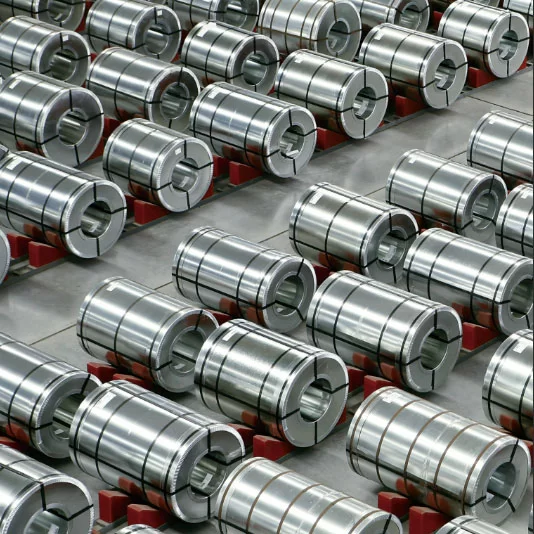
- Electric Resistance Welded (ERW) Pipe: Manufactured by welding steel coils, ERW pipe is cost-effective and widely used for general structural purposes.
- Seamless Pipe: Produced without a weld seam, seamless pipe offers superior strength and is ideal for high-pressure applications.
- Galvanized Steel Pipe: Coated with a layer of zinc for corrosion resistance, galvanized pipe is often used in outdoor or corrosive environments.
- Square and Rectangular Hollow Sections (SHS & RHS): These pipes offer a unique structural advantage with their shape, providing increased strength and stability in specific applications.
The choice of pipe type depends on factors like load requirements, corrosion risk, budget, and design specifications.
Key Takeaway: Selecting the correct type of structural steel pipe is critical for ensuring the safety and longevity of a project. Consider the specific demands of your application when making your choice.
Applications of Structural Steel Pipe
The applications of structural steel pipe are extensive and diverse. Some key areas include:
- Construction: Building frameworks, scaffolding, and support structures.
- Infrastructure: Bridges, tunnels, and transportation systems.
- Oil and Gas: Pipelines for transporting oil, gas, and other fluids.
- Manufacturing: Machine frames, conveyor systems, and industrial equipment.
- Automotive: Chassis components and structural supports.
Benkoo Metal provides tailored solutions for a variety of industries, delivering reliable structural steel pipe products.
Application Benefits:
• High strength-to-weight ratio
• Durability and longevity
• Versatility in design
• Cost-effectiveness
Structural Steel Pipe Standards and Specifications
To ensure quality and safety, structural steel pipe must adhere to recognized industry standards. Some prominent standards include:
- ASTM A53: Covers seamless and welded steel pipe for various applications.
- ASTM A500: Specifies cold-formed welded and seamless steel pipe for structural purposes.
- API 5L: Defines specifications for line pipe used in the oil and gas industry.
- EN 10210: European standard for hollow sections.
These standards dictate material composition, manufacturing processes, dimensional tolerances, and testing requirements. Compliance with these standards is vital for ensuring the integrity and reliability of steel pipe structures.
Comparing Common Structural Steel Pipe Grades
Different grades of steel offer varying levels of strength and ductility. Understanding these differences is crucial for selecting the appropriate material for your project. Here’s a comparison of common grades:
Factors to Consider When Selecting Structural Steel Pipe
Choosing the right structural steel pipe involves carefully considering several factors:
- Load Capacity: Determine the maximum load the pipe will need to support.
- Corrosion Resistance: Assess the environment and select appropriate coatings or materials.
- Dimensional Requirements: Choose the correct diameter and wall thickness for your application.
- Budget: Balance cost with performance and quality.
- Fabrication Requirements: Consider ease of welding, cutting, and forming.
Conclusion: Partner with a Reliable Supplier
Selecting the right structural steel pipe is a critical decision that impacts the safety, durability, and cost-effectiveness of your project. Understanding the different types, standards, and considerations outlined in this guide is essential. Benkoo Metal provides a comprehensive range of high-quality structural steel pipe and expert support to help you make the right choice. Contact us today to discuss your specific needs.
Frequently Asked Questions (FAQs)
What is the difference between ERW and seamless steel pipe?
Electric Resistance Welded (ERW) pipe is manufactured by welding steel coils together, offering a cost-effective solution for many applications. Seamless pipe, on the other hand, is produced without a weld seam, resulting in higher strength and improved resistance to pressure. Seamless pipe is generally preferred for critical applications like high-pressure pipelines or where fatigue resistance is paramount. ERW is a good option for general structural use where cost is a significant factor.
What does galvanizing do for steel pipe?
Galvanizing is the process of coating steel with a layer of zinc to protect it from corrosion. This zinc coating acts as a barrier, preventing rust and extending the lifespan of the pipe, especially in outdoor or corrosive environments. Galvanized steel pipe is ideal for applications exposed to moisture, chemicals, or salt spray. It reduces maintenance costs and ensures long-term durability.
How do I determine the correct wall thickness for my project?
Determining the correct wall thickness is crucial for ensuring the structural integrity of your project. It depends on several factors, including the pipe's diameter, the internal pressure (if any), the applied load, and the material's yield strength. Consulting with a structural engineer is highly recommended to perform the necessary calculations and ensure compliance with relevant safety standards. Benkoo Metal’s team can provide guidance and assistance in selecting the appropriate wall thickness for your specific needs.
Where can I find more information about structural steel pipe standards?
Detailed information on structural steel pipe standards can be found on the websites of organizations like ASTM International (www.astm.org) and the American Petroleum Institute (www.api.org). These organizations publish comprehensive specifications and guidelines for the manufacturing and testing of steel pipe. You can also find valuable resources from industry associations and engineering handbooks.


-20251219053336.webp "Welded Titanium Pipe & Tube")
-20251219055937.webp "General Application Of Welded Pipes")
-20251219064452.webp "Stainless Welded Steel Pipes")
-20251219054209.webp "Titanium Plate & Sheet")