
Titanium tube manufacturers play a crucial role in a diverse range of industries, from aerospace and chemical processing to medical implants and energy production. Their expertise lies in producing high-quality tubes from titanium and its alloys, materials renowned for their exceptional strength-to-weight ratio, corrosion resistance, and biocompatibility. The global demand for these specialized tubes is steadily increasing, driven by the need for durable, reliable, and high-performance components in critical applications. titanium tube manufacturers are constantly innovating to meet evolving industry requirements.
The importance of titanium tube manufacturers extends beyond simply supplying a material; they provide engineered solutions. These solutions often involve complex manufacturing processes, stringent quality control measures, and a deep understanding of material science. The availability of skilled titanium tube manufacturers is a key factor in maintaining competitiveness in numerous sectors. Geopolitical factors and supply chain resilience are increasingly impacting this industry.
Understanding the capabilities and limitations of titanium tube manufacturers is vital for engineers, designers, and procurement professionals. Choosing the right manufacturer and alloy grade can significantly impact the performance, longevity, and cost-effectiveness of a final product. This knowledge is not only critical for established industries but also for emerging fields like hydrogen energy and advanced medical technologies.
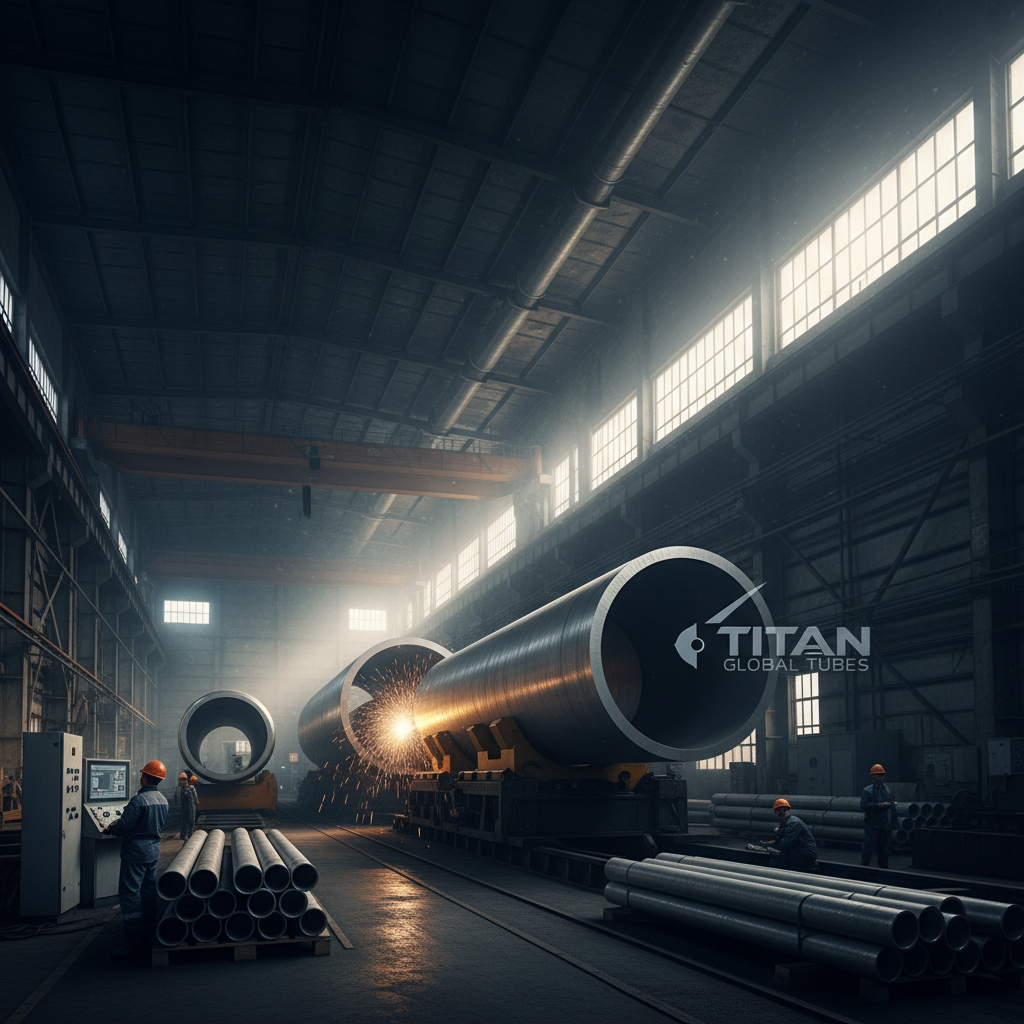
Introduction to titanium tube manufacturers
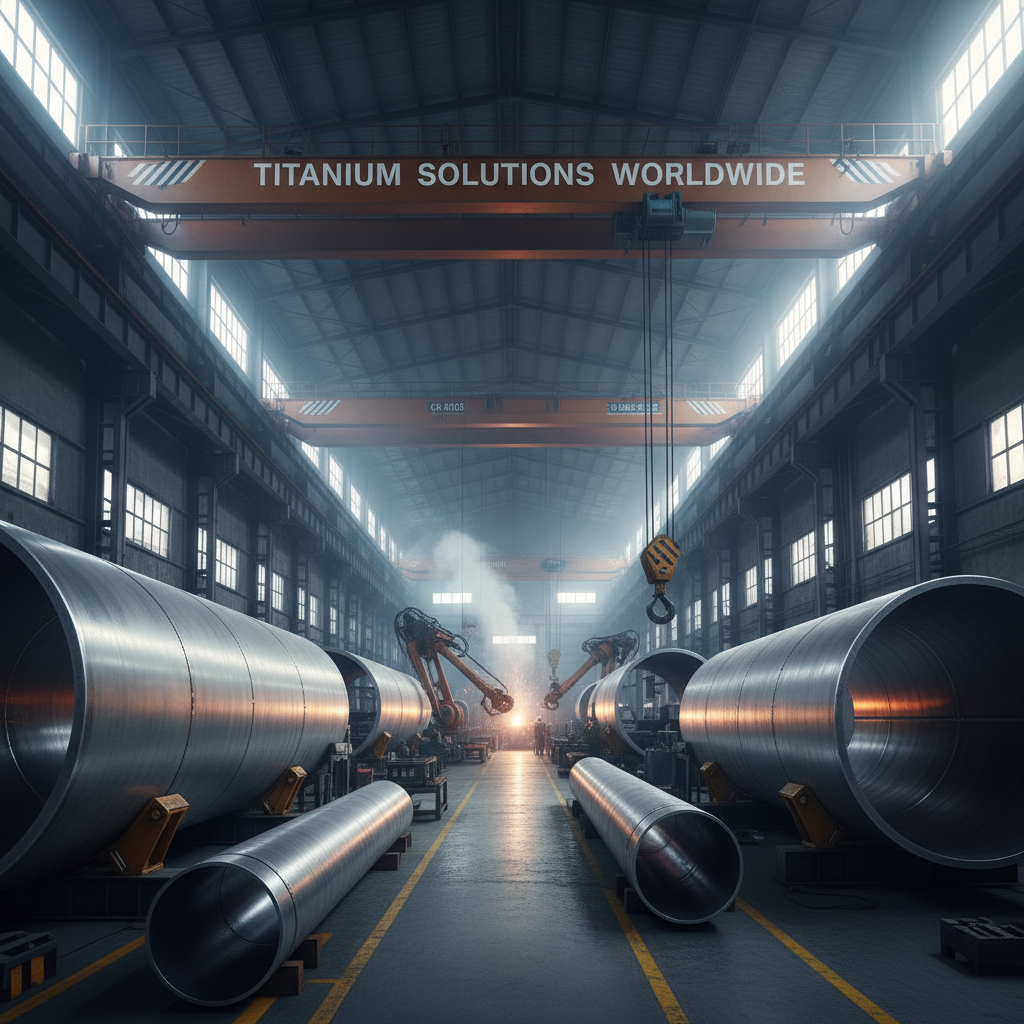
The realm of titanium tube manufacturers is characterized by a high degree of specialization. These companies don’t simply shape metal; they manipulate a challenging material to achieve precise specifications. They utilize techniques like seamless extrusion, welding, and drawing, all while maintaining strict adherence to industry standards and client requirements. Titanium tube manufacturers serve as vital links in complex supply chains.
The quality control processes employed by leading titanium tube manufacturers are exceptionally rigorous. This includes non-destructive testing methods such as ultrasonic inspection, eddy current testing, and radiographic analysis to ensure the integrity of each tube. Traceability is also a key aspect, allowing manufacturers to track the origin of materials and manufacturing processes throughout the entire production lifecycle.
FAQS
The cost of titanium tubes is impacted by several factors including the grade of titanium alloy, tube dimensions (diameter, wall thickness, length), quantity ordered, manufacturing process employed (seamless vs. welded), and current market prices of titanium sponge. Custom specifications and stringent quality requirements also contribute to increased costs. Titanium tube manufacturers factor these elements into their pricing.
Reputable titanium tube manufacturers typically hold certifications such as ISO 9001 (Quality Management System), AS9100 (Aerospace Quality Management System), and potentially PED (Pressure Equipment Directive) depending on their target markets. These certifications demonstrate a commitment to consistent quality and adherence to industry standards.
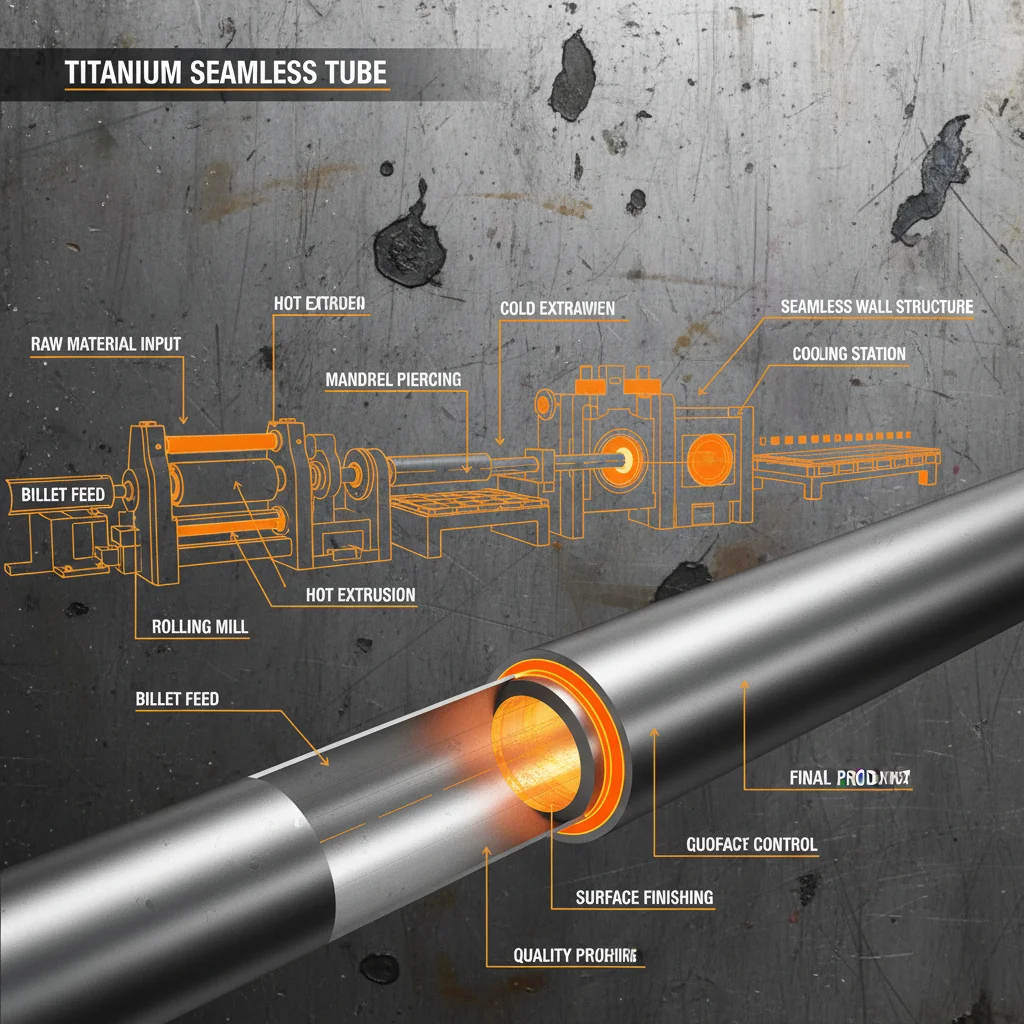
Seamless titanium tubes are manufactured from a solid billet of titanium that is extruded or pierced to create a hollow tube. They offer superior strength and corrosion resistance, making them ideal for critical applications. Welded titanium tubes are made by welding a titanium strip or sheet into a cylindrical shape. They are generally more cost-effective but may have slightly lower mechanical properties.
Lead times for custom titanium tubes can vary significantly depending on the complexity of the order, the required quantity, and the manufacturer’s current workload. Generally, lead times range from 4 to 16 weeks, but can be longer for highly specialized or large-diameter tubes. Titanium tube manufacturers will provide a more accurate estimate upon receiving a detailed request for quote.
Welding titanium requires specialized techniques and precautions due to its reactivity with atmospheric gases. It is essential to use a controlled atmosphere (e.g., argon shielding) and appropriate welding procedures to prevent contamination and ensure a strong, corrosion-resistant weld. Skilled welders with experience in titanium welding are crucial.
Thin-walled titanium tubing finds extensive use in medical implants (stents, guidewires), aerospace hydraulic systems, heat exchangers where efficient heat transfer is critical, and analytical instrumentation. Its lightweight and corrosion resistance make it ideal for these applications where precision and reliability are paramount.
Conclusion
In conclusion, titanium tube manufacturers are pivotal players in numerous industries, supplying a crucial material known for its exceptional properties. Their expertise in titanium metallurgy, coupled with advanced manufacturing techniques, enables them to deliver high-performance solutions for demanding applications. Understanding the nuances of titanium tube manufacturing is essential for engineers, designers, and procurement professionals seeking reliable and durable components.
Looking ahead, the industry is poised for continued innovation, driven by advancements in additive manufacturing, alloy development, and sustainable practices. Embracing these trends will be crucial for titanium tube manufacturers to maintain competitiveness and meet the evolving needs of their customers. Visit our website at www.benkoometal.com to learn more about our capabilities and explore how we can partner with you on your next project.
Related Posts
-
Exploring the Versatility and Applications of Hollow Structural Tube in Modern Engineering
-
Why Are Global Energy Companies Choosing China Best GR.B Manufacturer at ADIPEC UAE?
-
Exploring the Advantages and Applications of Duplex Steel Tube
-
Exploring the Strength and Versatility of Titanium Seamless Tube Applications