0%

Table of Contents

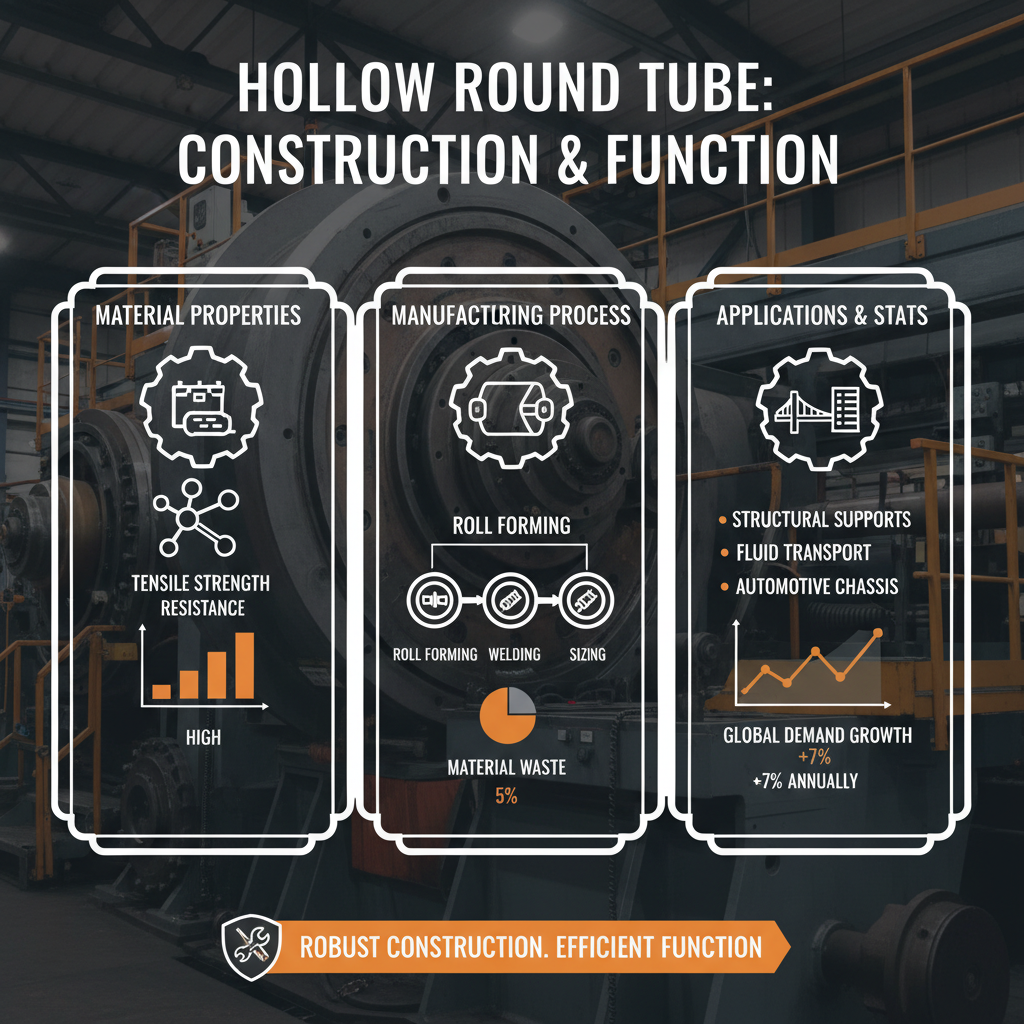
The humble hollow round tube, often overlooked, is a foundational component in countless industries and applications globally. From structural engineering and automotive manufacturing to medical devices and renewable energy systems, these tubes provide an exceptional balance of strength, weight, and cost-effectiveness. Understanding their properties, manufacturing processes, and evolving applications is crucial for professionals across a wide spectrum of fields.

The increasing demand for lightweight yet durable materials is driving the continued innovation in hollow round tube technology. Addressing challenges related to material sourcing, sustainable production, and specific performance requirements are key areas of focus. The global market for metal tubes, including hollow round tubes, is projected to grow significantly in the coming years, fueled by infrastructure development and evolving industrial needs.

Essentially, the versatility and adaptability of hollow round tube make it an indispensable material in the modern world. Improved manufacturing techniques and material science are constantly expanding the range of possibilities, leading to even more innovative applications across diverse sectors.
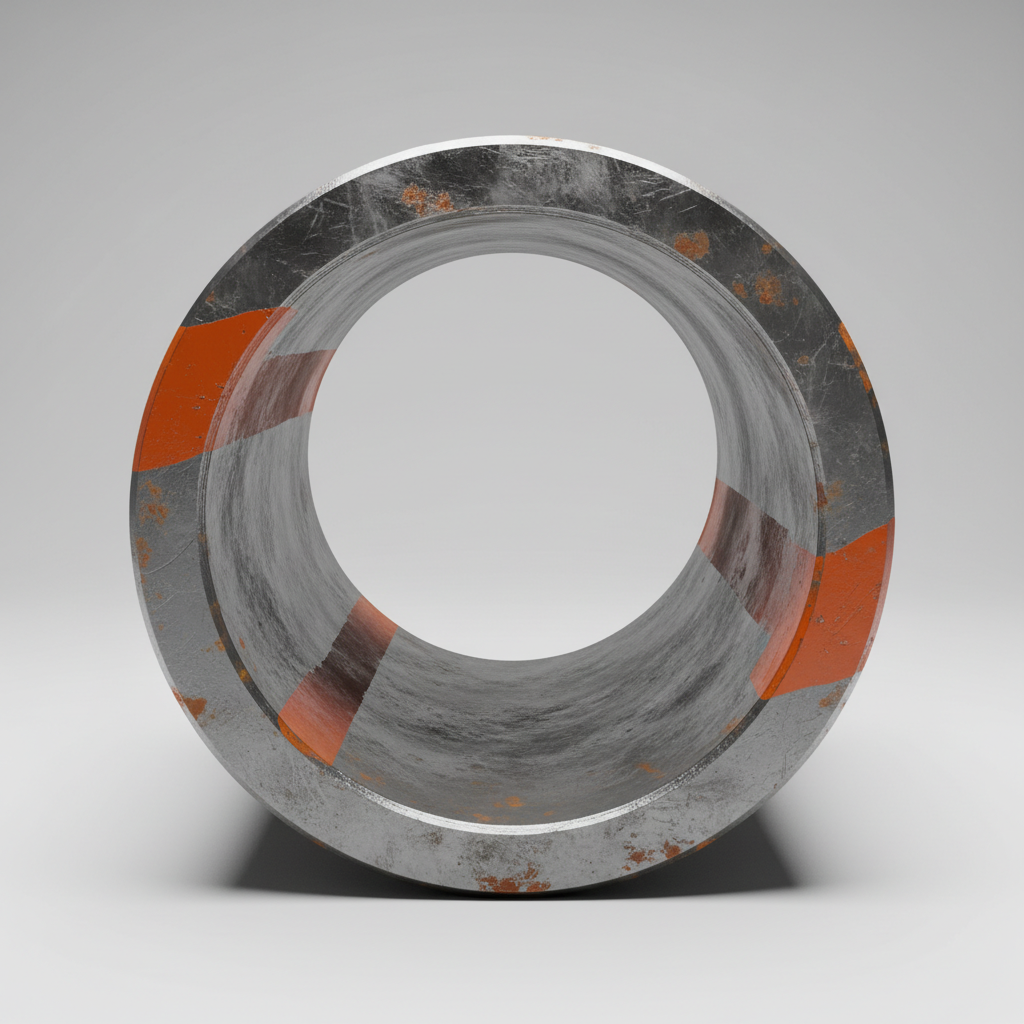
hollow round tube

Introduction to Hollow Round Tube

hollow round tube

Hollow round tubes are cylindrical structures characterized by a void space within their body, providing a unique combination of strength and weight reduction. This design lends itself to various applications requiring structural integrity with minimal material usage. Their creation is a testament to material science and engineering precision.

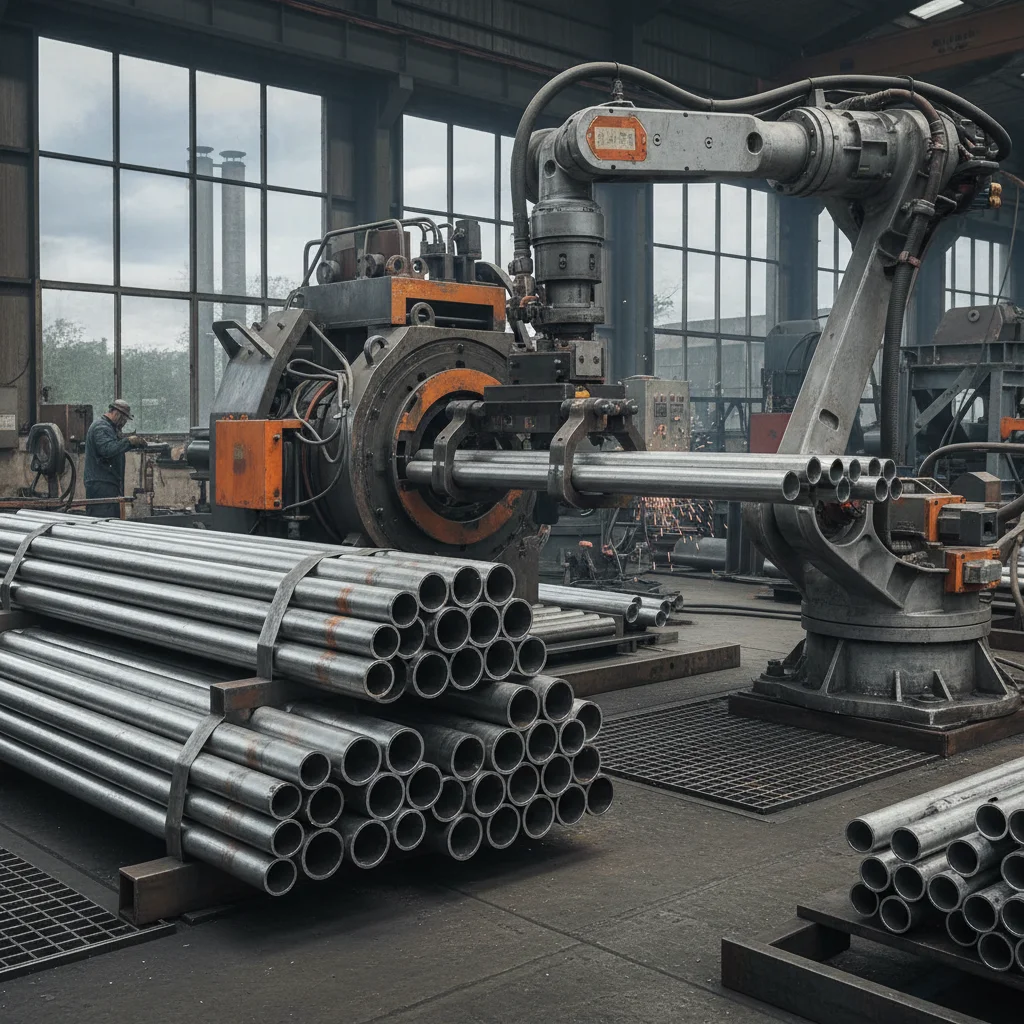
The manufacturing of these tubes utilizes various processes including extrusion, welding, and drawing, each contributing to different mechanical properties and suitability for specific applications. The choice of material—ranging from carbon steel and stainless steel to aluminum and titanium—significantly impacts performance characteristics, corrosion resistance, and overall cost.

Global Relevance & Industry Context

Globally, the demand for hollow round tubes is intrinsically linked to industrial growth, infrastructure development, and technological advancement. The World Bank estimates substantial investment in infrastructure projects, particularly in emerging economies, will drive demand for steel and aluminum tubes used in construction, transportation, and energy sectors.

The automotive industry heavily relies on these tubes for chassis components, exhaust systems, and safety features, contributing to vehicle weight reduction and improved fuel efficiency, aligning with increasingly stringent emission standards. Furthermore, the medical sector utilizes specialized hollow round tube in surgical instruments and implantable devices.

A significant challenge exists in balancing the increasing demand with sustainable production practices. The steel industry, a major producer of hollow round tube materials, faces pressure to reduce its carbon footprint and adopt greener manufacturing technologies, aligning with global climate goals outlined by organizations like the UN.

Defining Hollow Round Tube

A hollow round tube is essentially a cylindrical component featuring a hollow central cavity. Unlike solid rods or bars, the internal space allows for a higher strength-to-weight ratio, making them ideal where structural integrity combined with minimal mass is critical. The term "round" refers to the circular cross-section, though variations exist.

These tubes aren’t simply structural elements; they function as conduits for fluids and gases, protective casings for electrical wiring, and critical components in complex mechanical systems. Their definition extends beyond mere geometry to encompass their role in supporting modern industry and, increasingly, humanitarian endeavors.

The connection to modern industry is profound. Consider the oil and gas pipelines reliant on robust hollow round tube for safe and efficient transport, or the aerospace industry leveraging lightweight titanium tubes to improve aircraft performance. This defines its integral nature within critical infrastructural components.

Key Factors: Properties & Characteristics

Durability is paramount. Hollow round tubes, when manufactured from high-quality materials, exhibit exceptional resistance to bending, torsion, and impact forces, ensuring longevity and reliability in demanding applications. Corrosion resistance, achieved through material selection and protective coatings, further enhances durability.

Scalability refers to the ease with which production can be increased or decreased to meet fluctuating demand. Modern manufacturing techniques enable efficient mass production of standardized tubes, while also allowing for customization to specific dimensions and specifications.

Comparative Material Strength in Hollow Round Tube Production

Applications Across the Globe

In post-disaster relief operations, hollow round tube is increasingly used in the construction of rapid deployment shelters, providing safe and stable housing solutions for affected populations. These structures offer a viable alternative to traditional tents, providing increased security and comfort.

Within remote industrial zones, like mining operations in Australia or oil extraction facilities in the Arctic, these tubes serve as critical infrastructure components, from pipelines transporting resources to structural supports for processing plants. Their durability and resistance to harsh environments are essential.

Advantages & Long-Term Value

The cost-effectiveness of hollow round tube stems from the efficient use of materials. Requiring less material than solid counterparts while providing comparable strength, they reduce material costs and overall weight, leading to lower transportation expenses.

Sustainability is becoming increasingly important. Utilizing recycled materials in tube production minimizes environmental impact, and the durability of these tubes reduces the need for frequent replacements, further promoting resource conservation. Long-term reliability equates to reduced maintenance and replacement costs.

Future Trends & Innovations

Advanced manufacturing techniques, such as additive manufacturing (3D printing) of metal tubes, are poised to revolutionize production, enabling the creation of complex geometries and customized designs with unparalleled precision. This opens doors for specialized applications in aerospace and biomedical engineering.

The integration of smart sensors within hollow round tube structures will allow for real-time monitoring of stress, strain, and corrosion, providing valuable data for predictive maintenance and ensuring structural integrity. This aligns with the broader trend of digital transformation across industries.

Research into novel materials, including high-strength alloys and composite materials, aims to further enhance the performance characteristics of hollow round tubes, expanding their potential applications and contributing to a more sustainable future.

FAQS

What are the primary benefits of using hollow round tube compared to solid steel bars in structural applications?

Hollow round tubes offer a significantly higher strength-to-weight ratio compared to solid steel bars. This means you get comparable strength with less material, leading to lower costs, reduced weight in the structure, and easier handling. This is particularly beneficial in applications where weight is a critical factor, such as aerospace or automotive industries.

How does the manufacturing process affect the properties of a hollow round tube?

The manufacturing process – whether it's extrusion, welding, or drawing – has a substantial impact on the tube's mechanical properties, dimensional accuracy, and surface finish. Extrusion generally results in seamless tubes with excellent strength. Welding can introduce residual stresses and requires careful quality control. Drawing refines the dimensions and improves surface quality. Choosing the right process depends on the intended application.

What types of corrosion protection are commonly applied to hollow round tubes?

Common corrosion protection methods include galvanizing (zinc coating), painting, powder coating, and the use of stainless steel or other corrosion-resistant alloys. The selection depends on the environment the tube will be exposed to. For example, marine environments require more robust protection than indoor applications. Proper surface preparation is crucial for the effectiveness of any coating.

Can hollow round tubes be easily customized to specific dimensions and specifications?

Yes, hollow round tubes can be readily customized. Modern manufacturing processes allow for a wide range of diameters, wall thicknesses, and lengths. Special alloys and surface finishes are also available to meet specific requirements. However, customization may involve longer lead times and higher costs compared to standard sizes.

What are the key considerations when selecting a material for a hollow round tube application?

Material selection depends on factors like strength requirements, weight constraints, corrosion resistance needs, operating temperature, and cost. Carbon steel is cost-effective but susceptible to corrosion. Stainless steel offers excellent corrosion resistance but is more expensive. Aluminum is lightweight but has lower strength. Titanium provides exceptional strength and corrosion resistance but is very costly.

What are the environmental considerations regarding the production and disposal of hollow round tube?

The production of hollow round tube can be energy-intensive. Utilizing recycled materials, implementing energy-efficient manufacturing processes, and reducing waste are crucial. Disposal should follow environmental regulations, prioritizing recycling whenever possible. Steel and aluminum are highly recyclable, reducing the environmental impact of their lifecycle.

Conclusion

In conclusion, the hollow round tube is a versatile and essential material underpinning a vast range of industries and applications. Its unique combination of strength, weight reduction, and cost-effectiveness, coupled with ongoing innovations in materials and manufacturing, solidifies its position as a cornerstone of modern engineering and construction. From infrastructural development to advanced technological applications, its relevance will continue to expand.

Looking ahead, the continued pursuit of sustainable production methods, the integration of smart technologies, and the exploration of novel materials will unlock even greater potential for this ubiquitous component. We encourage further investigation into the capabilities of hollow round tube and its applications to drive innovation and address global challenges. Visit our website at www.benkoometal.com to learn more.

Declan Hayes

Declan Hayes

Declan Hayes is a Supply Chain Manager at BENKOO METAL, responsible for maintaining the company’s 2,800-ton inventory. He ensures efficient sourcing, warehousing, and distribution of nickel alloy, stainless steel, and alloy steel materials. With a meticulous attention to detail and over 6 years of logistics experience, Declan optimizes the supply
Previous Exploring the Advantages and Applications of Duplex Steel Tube
Next Exploring the Versatility and Applications of Hollow Structural Tube in Modern Engineering

If you are interested in our products, you can choose to leave your information here, and we will be in touch with you shortly.

  • captcha