Understanding Pipe Steel Grades: A Comprehensive Guide
Selecting the right pipe steel grades is crucial for ensuring the longevity, safety, and efficiency of any piping system. Different applications demand different material properties, and understanding these nuances can save significant costs and prevent potential failures. This article will provide a detailed overview of common pipe steel grades, their characteristics, applications, and considerations for choosing the optimal material for your specific needs. We'll explore the key factors influencing material selection, including pressure, temperature, and the nature of the conveyed fluid.
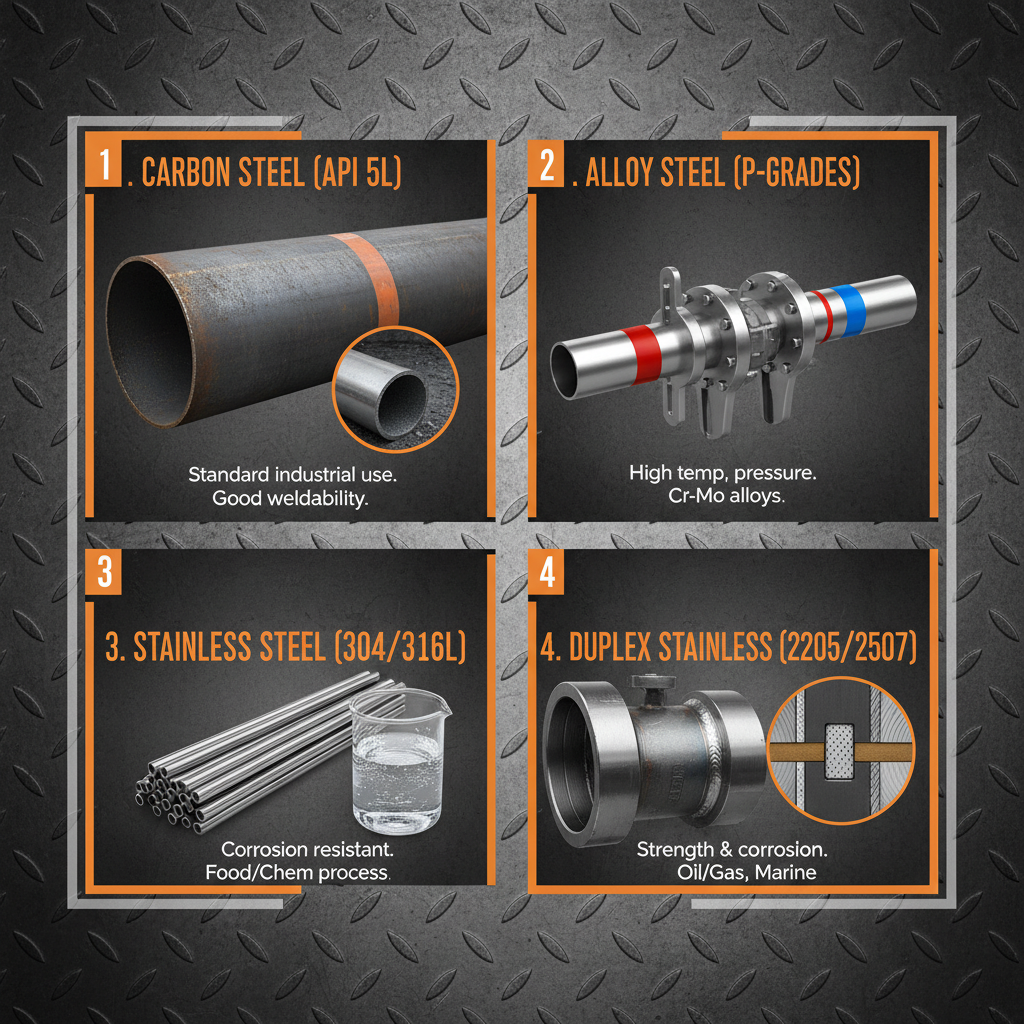
Common Pipe Steel Grades
A variety of steel grades are employed in pipe manufacturing, each offering a unique combination of strength, ductility, corrosion resistance, and weldability. Here are some of the most commonly used grades:
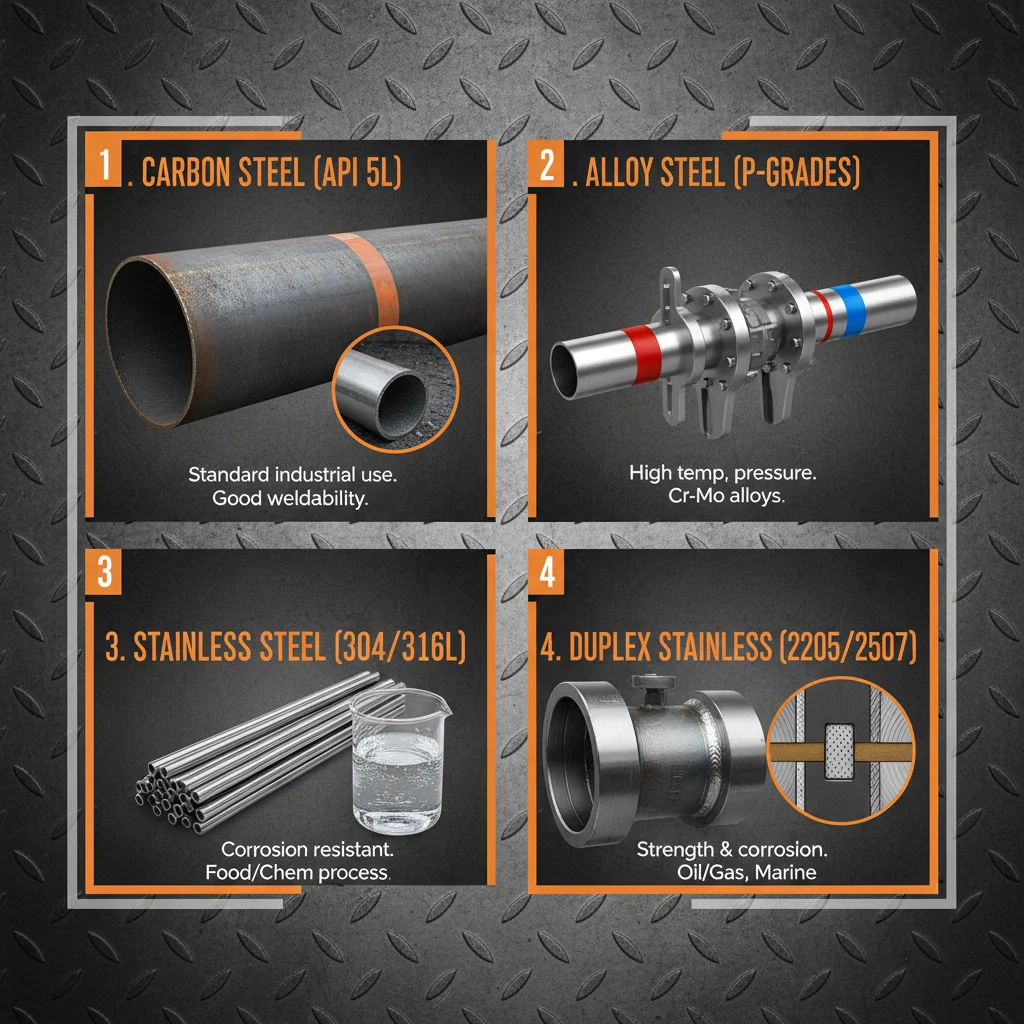
Key Grades: Carbon Steel (A53, A106), Alloy Steel (A333, A335), Stainless Steel (304/304L, 316/316L). Each grade is further categorized by its tensile strength and yield strength.
Carbon Steel Pipe Grades
Carbon steel pipes are widely used due to their cost-effectiveness and good mechanical properties. ASTM A53 and ASTM A106 are common grades. A53 is typically used for low-pressure applications, while A106 is suitable for high-temperature service. These grades, however, are susceptible to corrosion and may require protective coatings or cathodic protection.
Carbon Steel Advantages:
• Cost-effective
• Good strength and ductility
• Readily weldable
Alloy Steel Pipe Grades – Enhanced Performance
Alloy steel pipes, such as ASTM A333 and ASTM A335, contain alloying elements (e.g., chromium, molybdenum) that enhance their strength, toughness, and corrosion resistance, particularly at elevated temperatures. These are frequently used in power generation, oil refining, and petrochemical applications. They represent a step up in performance, but also come at a higher price point.
Stainless Steel Pipe Grades: Corrosion Resistance
Stainless steel pipes, like 304/304L and 316/316L, offer exceptional corrosion resistance and are ideal for applications involving corrosive fluids or environments. 316/316L, with its added molybdenum content, provides superior resistance to chloride corrosion, making it suitable for marine environments and chemical processing. While more expensive than carbon or alloy steel, the long-term benefits can outweigh the initial cost.
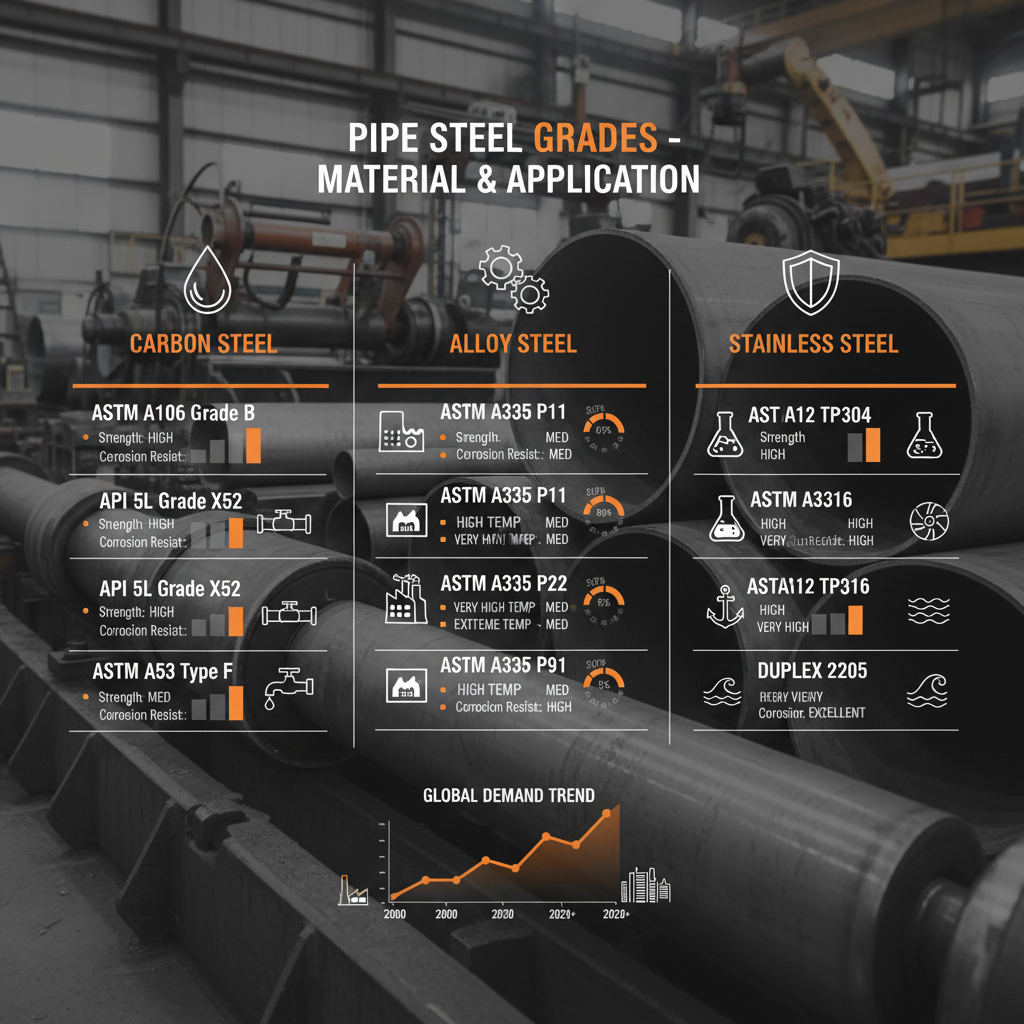
Selecting the Right Pipe Steel Grade: Key Considerations
Choosing the appropriate pipe steel grade requires careful consideration of several factors. These include the operating pressure, temperature, the chemical composition of the conveyed fluid, and the potential for corrosion. It’s also important to assess the required weldability and the overall cost-effectiveness of the material. Consulting with a materials engineer or a reputable supplier like Benkoo Metal is highly recommended.
Conclusion: Investing in the Right Steel Grade
Selecting the optimal pipe steel grade is a critical step in ensuring the reliability and longevity of any piping system. By carefully considering the application requirements and consulting with experts, you can make an informed decision that maximizes performance and minimizes the risk of costly failures. Benkoo Metal offers a comprehensive range of pipe steel grades and expert guidance to help you find the perfect solution.
Frequently Asked Questions (FAQs)
What is the difference between A53 and A106 pipe steel?
ASTM A53 and ASTM A106 are both carbon steel pipe grades commonly used in various applications. A53 is generally used for lower-pressure systems, like water or gas pipelines, and is available in both welded and seamless versions. A106, on the other hand, is specifically designed for high-temperature service, often found in power plants and refineries. It boasts higher tensile and yield strength than A53, making it suitable for more demanding conditions. The chemical composition also differs slightly, contributing to A106's better high-temperature performance.
Is stainless steel pipe always the best choice?
Not necessarily. While stainless steel offers excellent corrosion resistance, it's also the most expensive option. If corrosion isn't a significant concern, carbon steel or alloy steel might be more cost-effective and perfectly suitable for the application. Factors like temperature, pressure, and the nature of the fluid being conveyed should be considered. A thorough cost-benefit analysis is crucial to determine the most appropriate material.
What does "L" mean in stainless steel grades like 304L and 316L?
The "L" designation in stainless steel grades (e.g., 304L, 316L) signifies a "low carbon" content. Lowering the carbon content minimizes carbide precipitation during welding, which improves the weld's corrosion resistance. These grades are preferred for applications where welding is required and corrosion is a primary concern, as they reduce the risk of weld decay.
Where can I find a reliable supplier of pipe steel grades?
Benkoo Metal is a trusted supplier of high-quality pipe steel grades. We offer a wide range of materials, competitive pricing, and expert technical support to help you select the right grade for your application. Contact us today for a quote and to discuss your specific needs.


-20251218093108.webp "Steel Plates")
-20251218091502.webp "Steel Solid Bars")