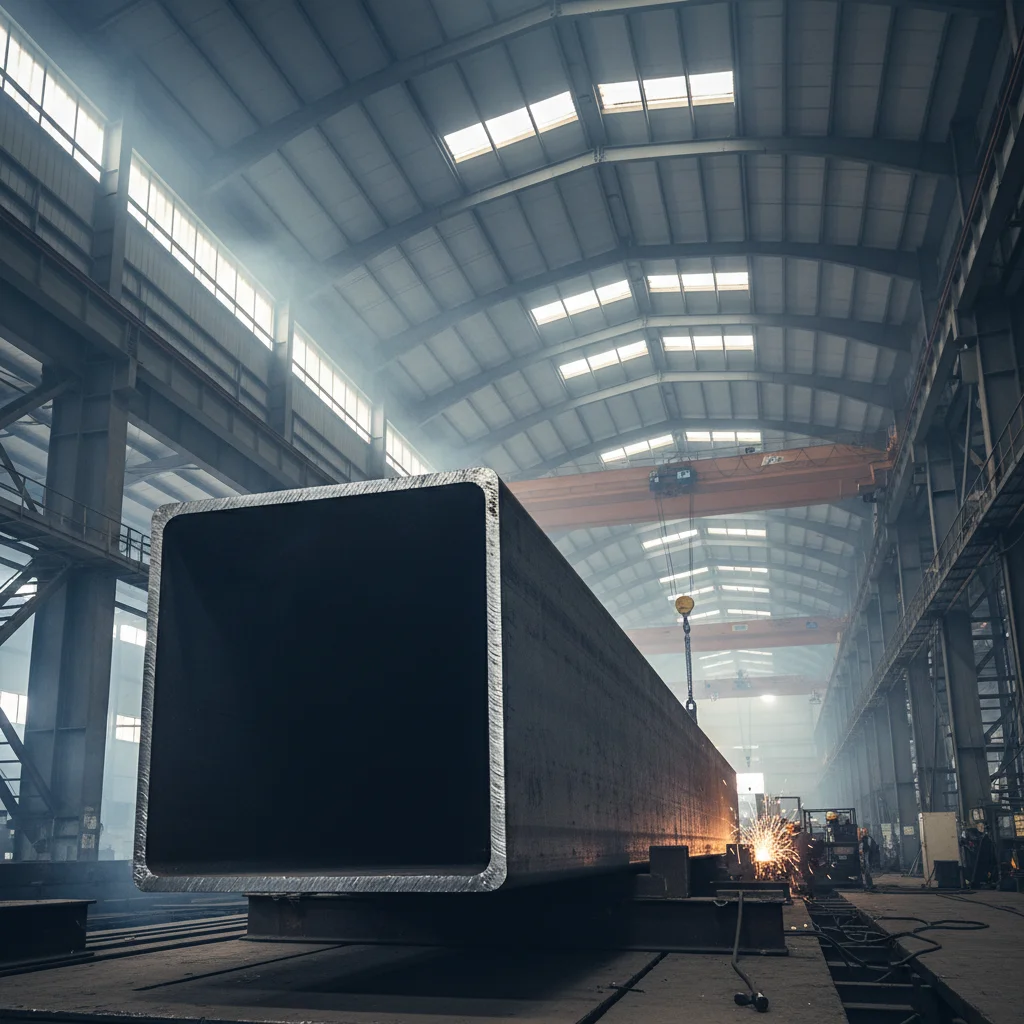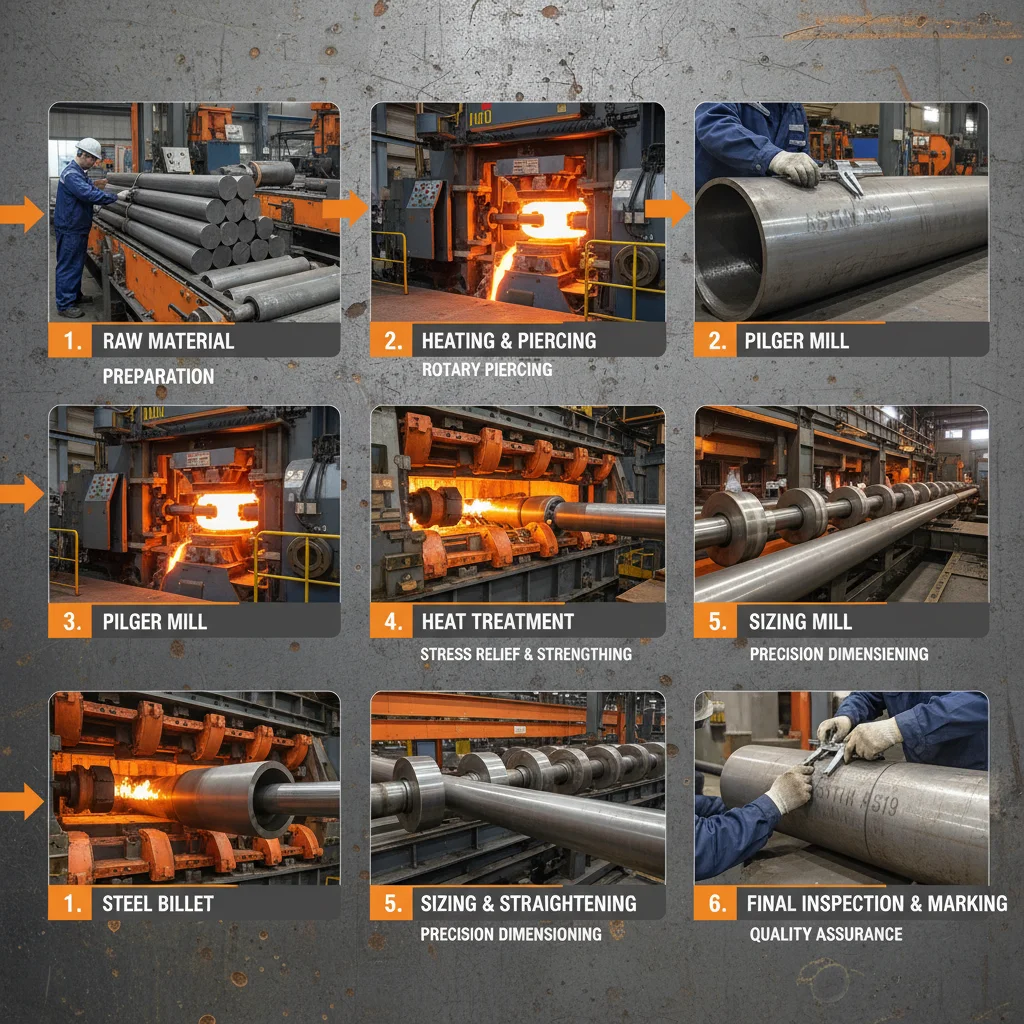
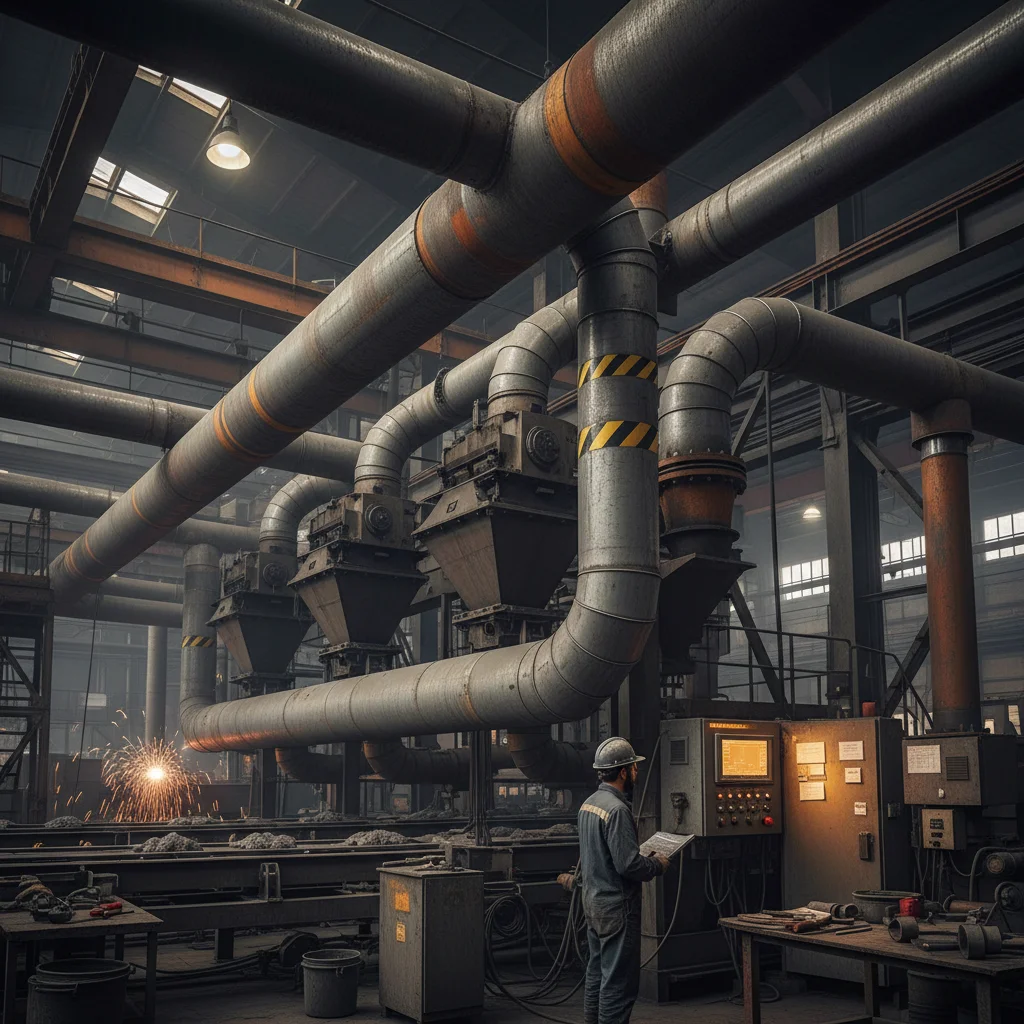
Understanding and Utilizing Carbon Steel Pipe: A Comprehensive Guide
Carbon steel pipe is a cornerstone material in countless industries, from oil and gas to construction and manufacturing. Its strength, affordability, and versatility make it the preferred choice for fluid and gas transportation. This article will delve into the properties, types, applications, and key considerations when sourcing carbon steel pipe, offering valuable insights for professionals and businesses alike. Choosing the right pipe is critical for ensuring safety, efficiency, and longevity in any project.
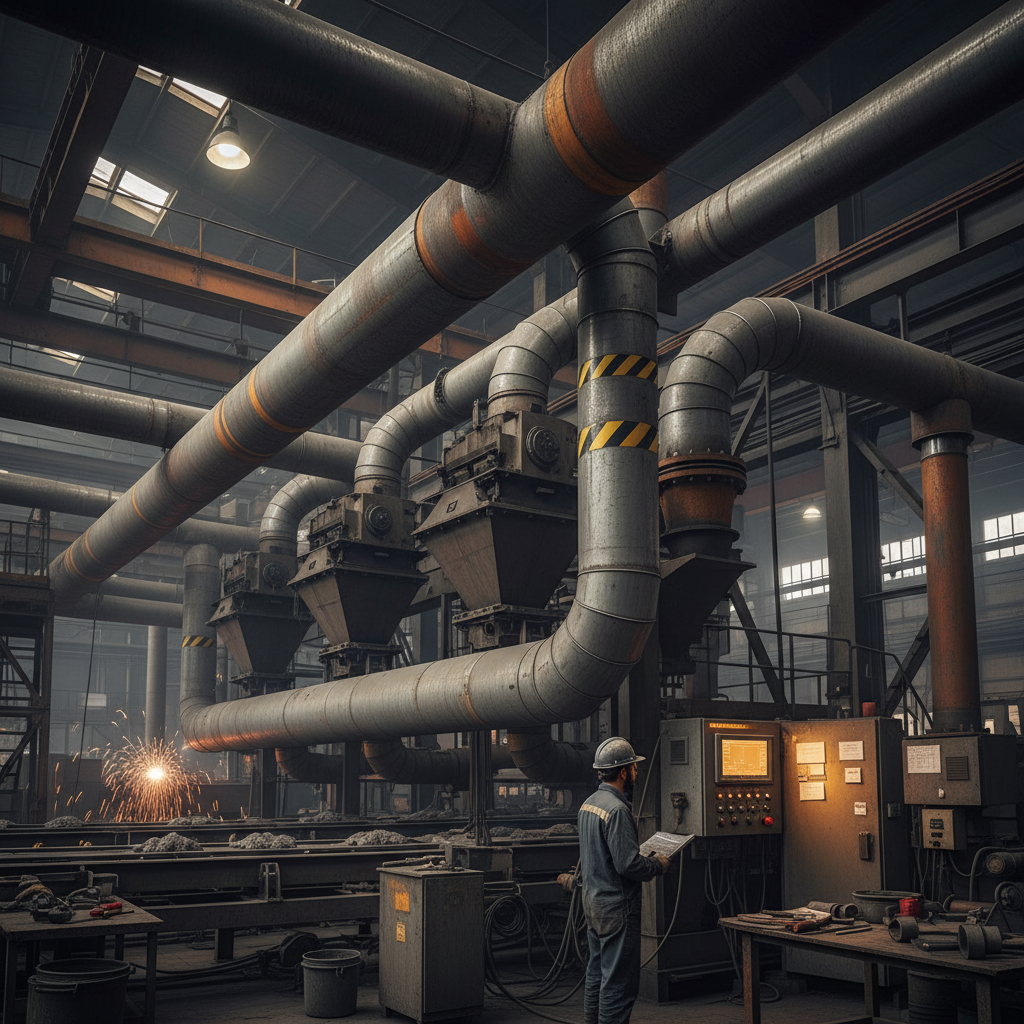
What is Carbon Steel Pipe?
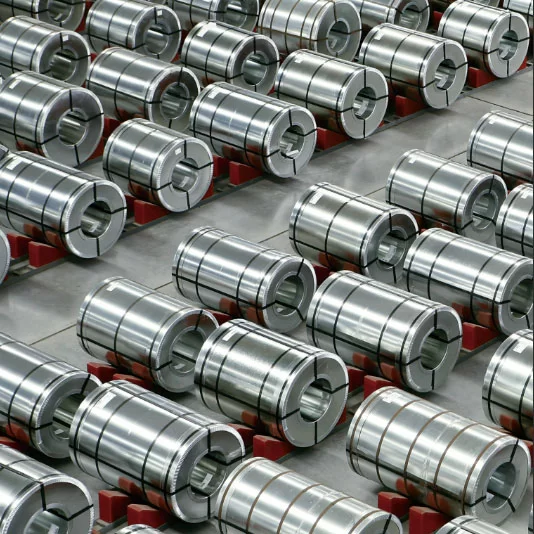
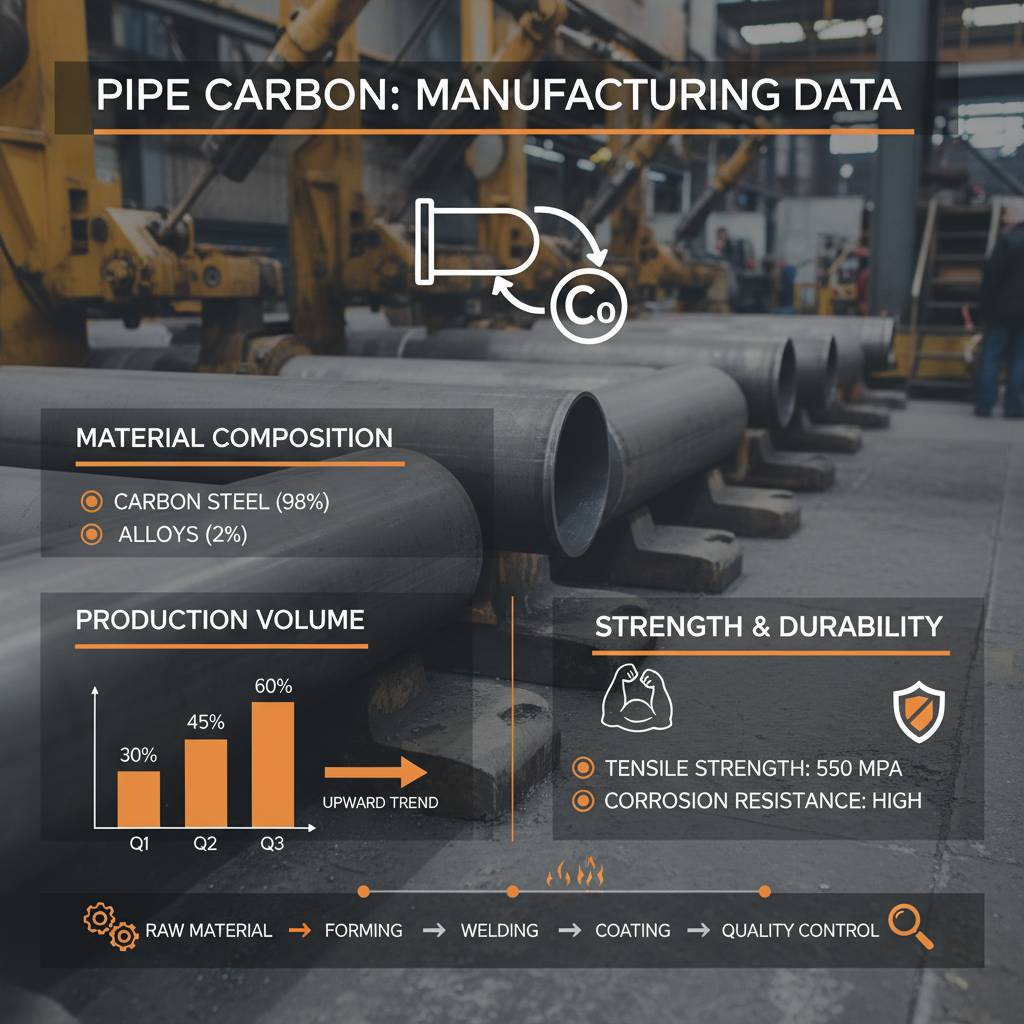
Carbon steel pipe is manufactured from steel with a carbon content ranging from 0.05% to 2.1% by weight. The carbon content directly influences the pipe's hardness, strength, and weldability. Lower carbon content results in greater ductility and weldability, while higher carbon content increases hardness and tensile strength. These pipes are generally cost-effective and offer good corrosion resistance, especially when coated or treated. They are readily available in various sizes, schedules (wall thicknesses), and finishes, making them adaptable to diverse application requirements. Benkoo Metal offers a wide range of carbon steel pipe solutions tailored to specific industry demands.
Key Highlights: Cost-effective, strong, versatile, and available in a wide range of sizes and schedules.
Types of Carbon Steel Pipe
Several types of carbon steel pipe are available, each designed for specific applications. Common types include:
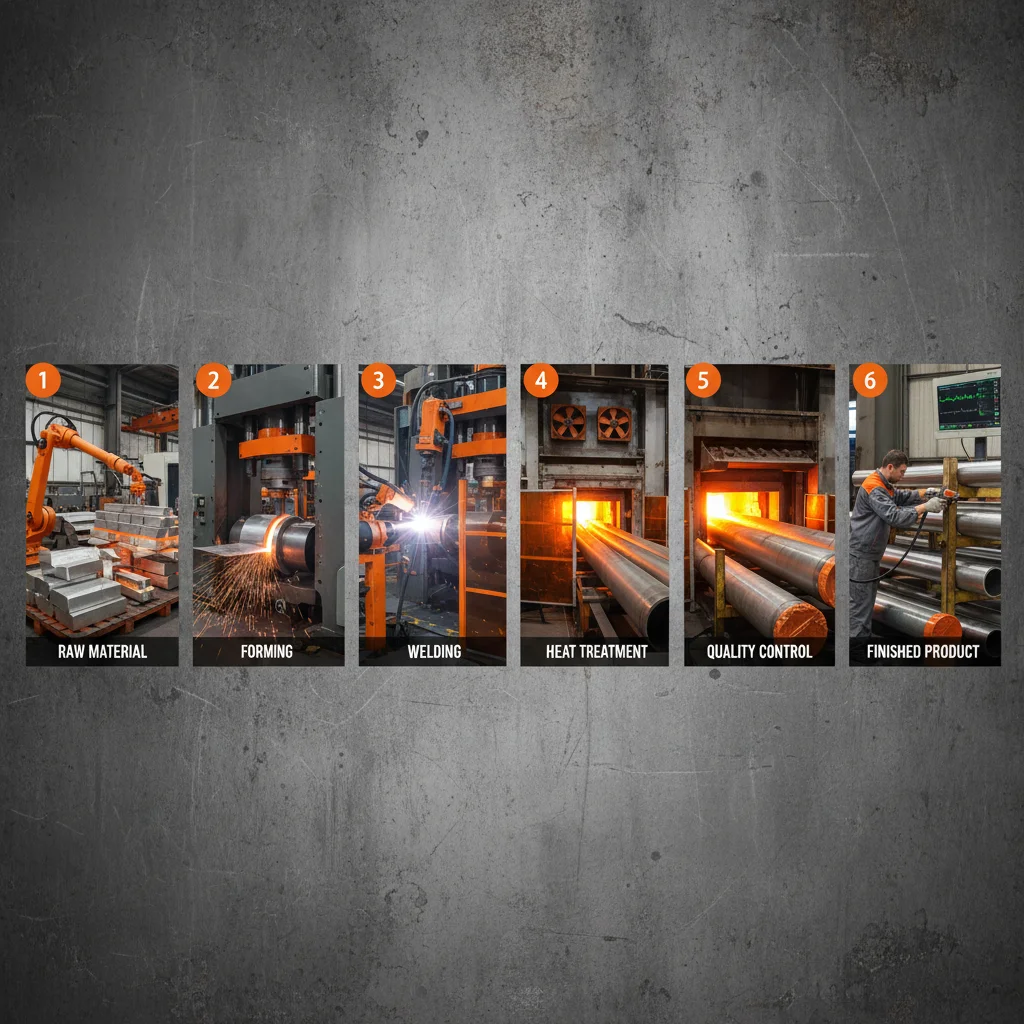
- ERW (Electric Resistance Welded) Pipe: Formed by rolling steel and using electric current to weld the seam. Cost-effective for low-pressure applications.
- Seamless Pipe: Manufactured without a welded seam, offering superior strength and resistance to pressure. Ideal for high-pressure and critical applications.
- DSAW (Direct Seam Welded) Pipe: A longitudinally welded pipe offering high strength and large diameter capabilities.
- Line Pipe: Specifically designed for transporting oil, gas, and water over long distances.
Understanding the characteristics of each type is crucial for selecting the appropriate pipe for your project.
Type Comparison:
• Seamless: Highest strength, best for high pressure.
• ERW: Cost-effective, suitable for low pressure.
• DSAW: High strength, large diameter applications.
• Line Pipe: For long-distance oil, gas, and water transport.
Applications of Carbon Steel Pipe
The applications of carbon steel pipe are incredibly diverse. Some key industries and uses include:
- Oil and Gas: Transportation of crude oil, natural gas, and refined products.
- Water Supply: Distribution of potable water and wastewater treatment facilities.
- Construction: Structural supports, scaffolding, and plumbing systems.
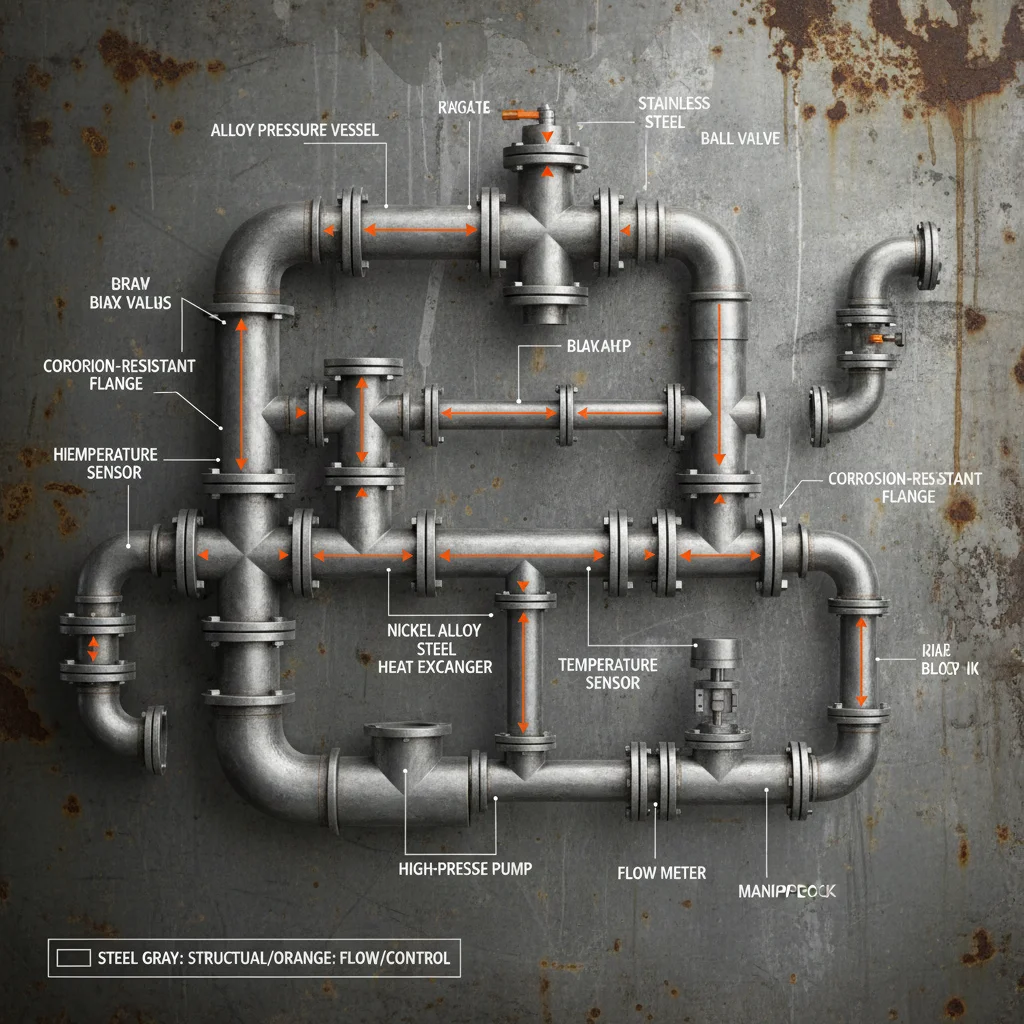
- Manufacturing: Pneumatic systems, process piping, and machine components.
- Fire Protection: Sprinkler systems and fire suppression pipelines.
The strength and durability of carbon steel pipe make it a reliable solution in these and many other applications.
Factors to Consider When Purchasing Carbon Steel Pipe
Several factors influence the selection of the right carbon steel pipe. These include pressure requirements, temperature, fluid or gas being transported, corrosion concerns, and applicable industry standards. Choosing a reputable supplier like Benkoo Metal ensures quality, traceability, and adherence to specifications. Don't forget to consider coatings and linings to enhance corrosion resistance and extend the pipe's lifespan.
Conclusion: Investing in Quality Carbon Steel Pipe
Choosing the right carbon steel pipe is essential for the success of any project. By understanding the different types, applications, and key considerations, you can make an informed decision that ensures safety, efficiency, and longevity. Benkoo Metal is your trusted partner for high-quality carbon steel pipe solutions and expert guidance.
Frequently Asked Questions (FAQs)
What is the difference between Schedule 40 and Schedule 80 carbon steel pipe?
Schedule 40 and Schedule 80 refer to the pipe wall thickness. Schedule 80 pipes have thicker walls than Schedule 40 pipes, offering greater strength and pressure-handling capabilities. Schedule 40 is typically used for lower-pressure applications, while Schedule 80 is preferred for higher-pressure systems and critical applications. The 'schedule' number is directly related to the pipe's internal diameter and wall thickness, influencing its burst pressure rating. Choosing the correct schedule is critical to ensure system integrity and prevent failures. Consult with engineering specifications to determine the appropriate schedule for your specific needs.
How can I prevent corrosion in carbon steel pipe?
Corrosion is a common concern with carbon steel pipe. Several methods can be employed to mitigate this issue. Applying protective coatings like epoxy, polyurethane, or galvanizing creates a barrier between the steel and the corrosive environment. Cathodic protection, involving sacrificial anodes or impressed current systems, can also be used to prevent corrosion. Regular inspection and maintenance, including cleaning and re-coating, are essential for long-term corrosion control. Choosing a suitable grade of carbon steel for the specific application and fluid being transported can also help minimize corrosion risks.
What industry standards apply to carbon steel pipe?
Several industry standards govern the manufacturing and quality control of carbon steel pipe. Common standards include ASTM (American Society for Testing and Materials) A53, A106, and API (American Petroleum Institute) 5L. These standards specify requirements for chemical composition, mechanical properties, dimensions, and testing procedures. Adhering to these standards ensures the pipe meets the required performance and safety criteria. When sourcing pipe, always verify that it is certified to the relevant industry standards for your application.
Is carbon steel pipe suitable for high-temperature applications?
While carbon steel pipe can be used in some high-temperature applications, its suitability depends on the specific temperature range and the corrosive environment. At very high temperatures, carbon steel can lose strength and become susceptible to oxidation. For extremely high-temperature applications, alloy steel pipes are often preferred due to their superior heat resistance. However, for moderate high-temperature applications, carbon steel can be a cost-effective solution, especially when combined with appropriate coatings or linings.


-20251217035818.webp "Precision Machining Services")
-20251219071741.webp "Nickel Alloy Welded Pipes")