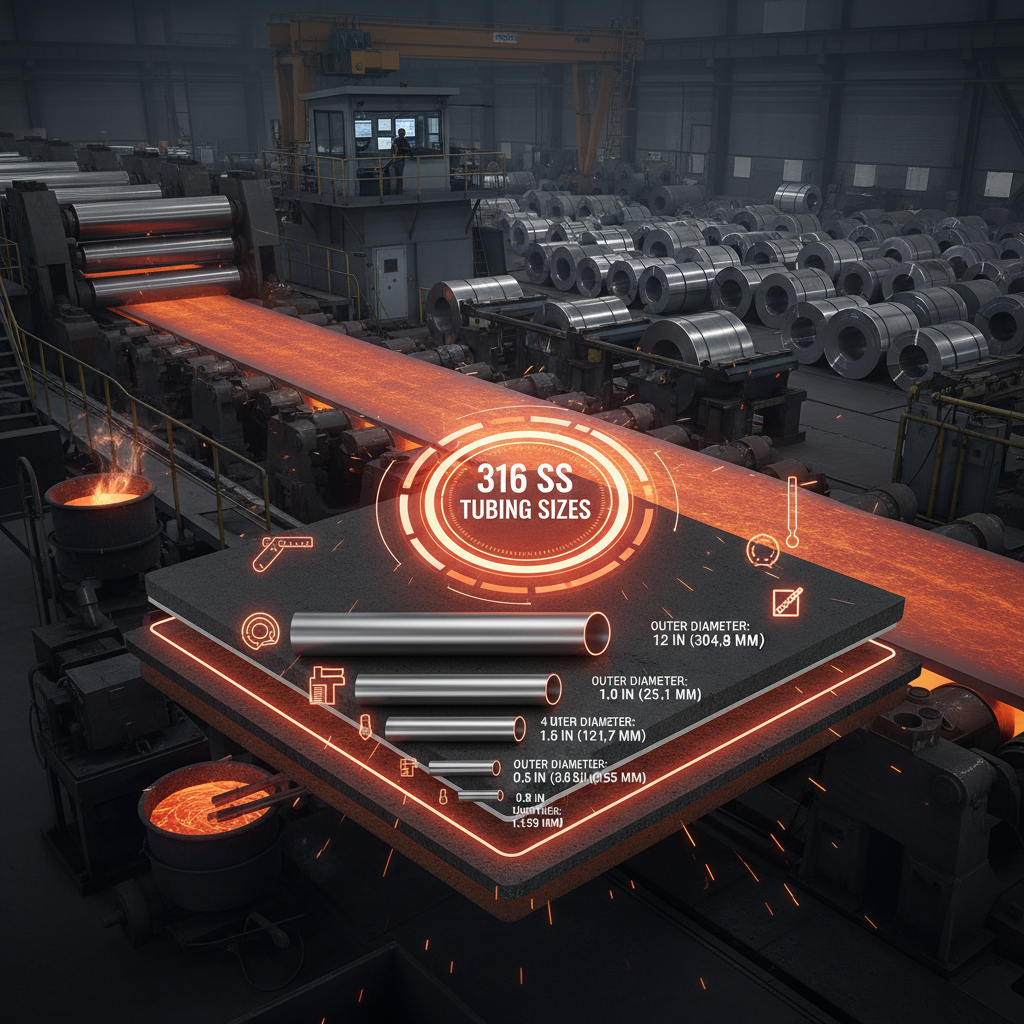
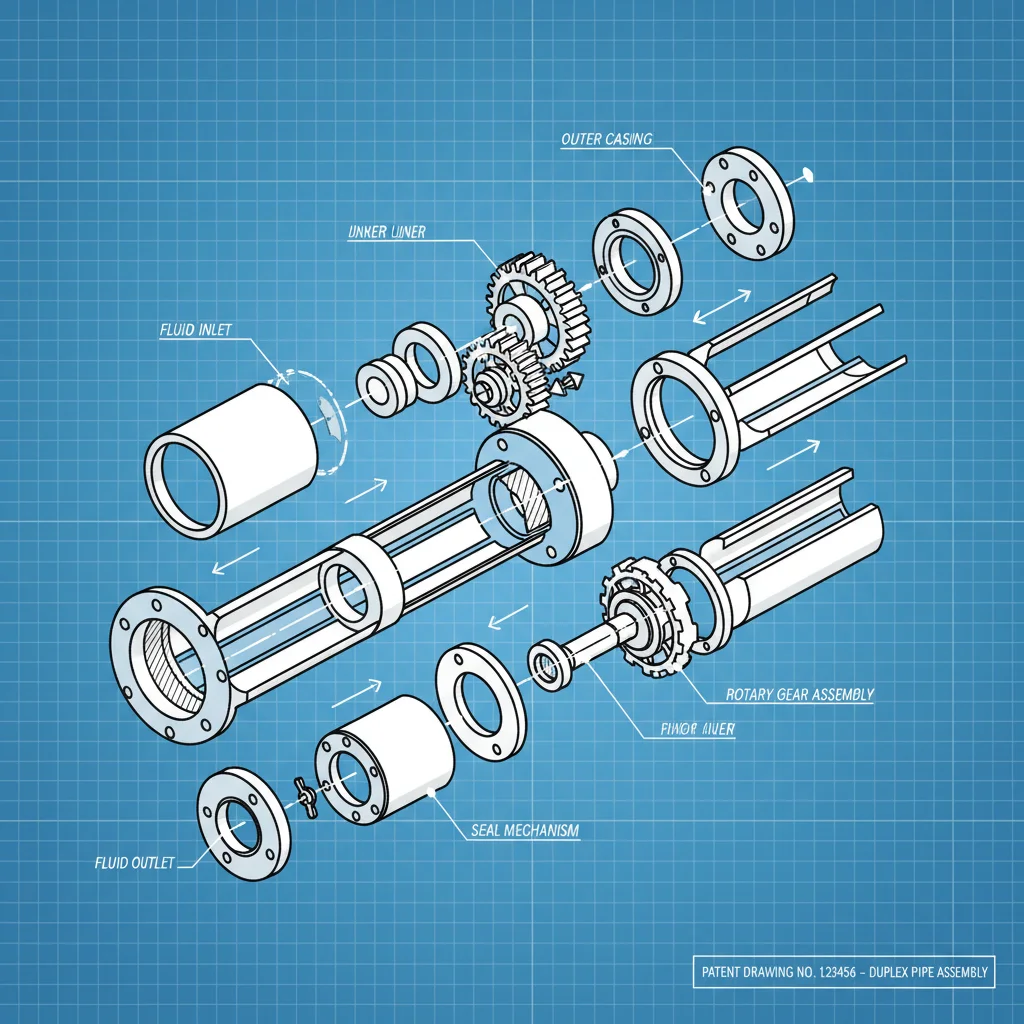
Selecting the correct 316 ss tubing sizes is a critical decision in industrial engineering, as the dimensional accuracy of stainless steel tubing directly impacts the structural integrity and fluid dynamics of a system. Grade 316 stainless steel, known for its molybdenum content, offers superior corrosion resistance compared to 304, making the precision of its sizing paramount in harsh chemical and marine environments.
Across global manufacturing sectors, from pharmaceutical piping to oil and gas extraction, the standardization of 316 ss tubing sizes ensures interchangeability and safety. Whether dealing with Outer Diameter (OD) or Inner Diameter (ID) specifications, understanding how these dimensions correlate with pressure ratings and wall thickness is essential for avoiding catastrophic system failures.
In this comprehensive guide, we explore the nuances of 316 ss tubing sizes, providing technical insights into how to choose the right dimensions for your specific application. By aligning material properties with precise sizing, engineers can optimize flow rates, reduce material waste, and extend the operational lifespan of their mechanical components.
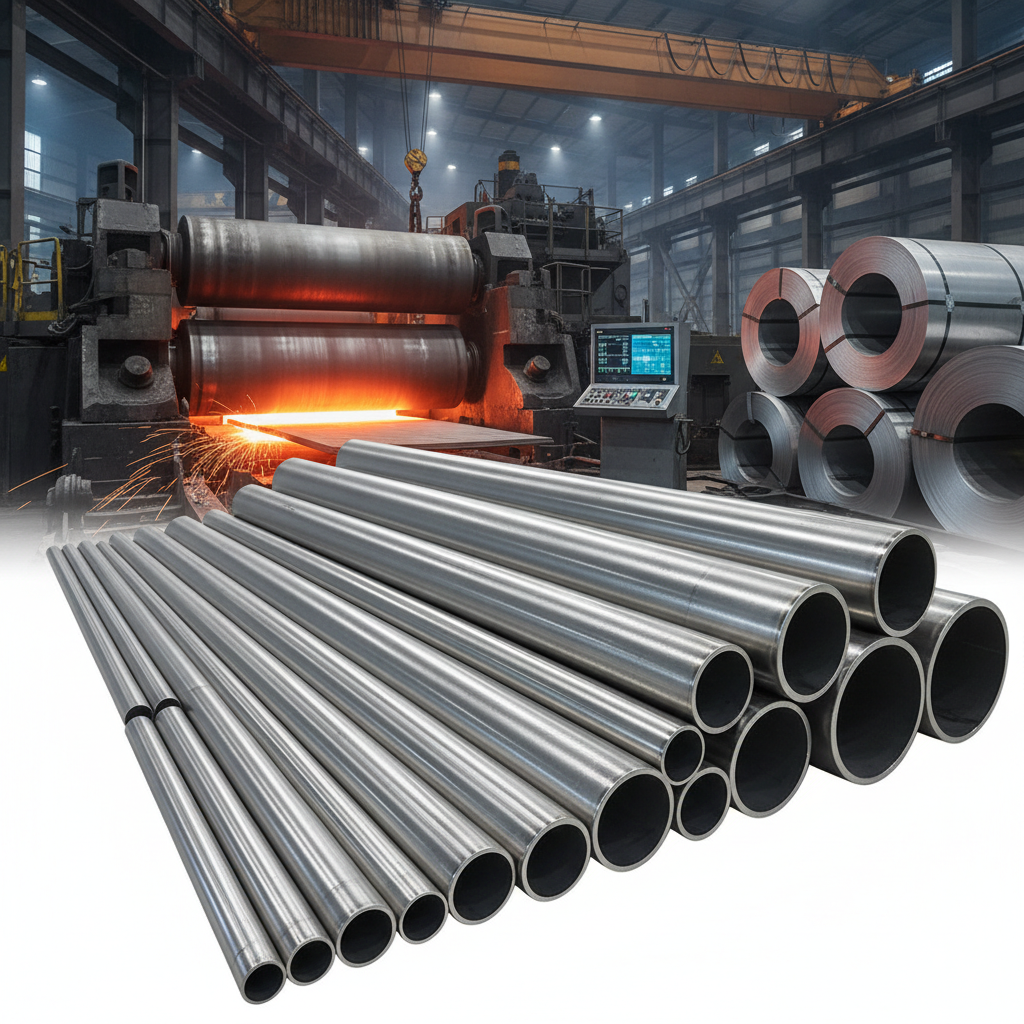
Global Standards for 316 ss tubing sizes
The global market for 316 ss tubing sizes is governed by strict international standards such as ASTM (American Society for Testing and Materials) and ISO (International Organization for Standardization). These frameworks ensure that a tube specified in Europe will fit a fitting manufactured in North America, reducing logistical friction in global supply chains. According to industry data, the shift toward standardized seamless piping has increased efficiency in the petrochemical sector by reducing onsite modification requirements.
However, the challenge arises when navigating the difference between "nominal" sizes and "actual" dimensions. Many engineers face setbacks when confusing nominal pipe size (NPS) with actual tubing OD, leading to costly procurement errors. By adhering to rigorous ISO certifications, manufacturers can guarantee that 316 ss tubing sizes meet the precise tolerances required for high-pressure hydraulic and pneumatic systems.
The Technical Definition of 316 ss tubing sizes
In technical terms, 316 ss tubing sizes refer to the precise outer diameter (OD) and wall thickness of a hollow cylinder made from Grade 316 stainless steel. Unlike pipe, which is typically categorized by its internal diameter (ID) to prioritize flow volume, tubing is defined by its OD to ensure a precise fit with compression fittings and welded joints. This distinction is vital for maintaining a leak-proof seal in critical infrastructure.
The "316" designation implies a specific chemical composition—primarily chromium, nickel, and molybdenum—which allows these specific sizes to withstand pitting corrosion in chloride-rich environments. When we discuss sizing, we are not just talking about width, but the ratio of wall thickness to diameter, which determines the burst pressure and the tubing's ability to withstand external crushing forces.
From a humanitarian and modern industrial perspective, the availability of various 316 ss tubing sizes enables the creation of sterile medical delivery systems and efficient water desalination plants. The ability to scale from capillary-sized tubes to large-bore industrial conduits allows 316 stainless steel to be the backbone of modern fluid transport.
Critical Factors Influencing Dimensional Choice
When evaluating 316 ss tubing sizes, the first priority is usually the pressure rating. A thicker wall relative to the diameter increases the tubing's capacity to handle high-pressure surges, which is non-negotiable in hydraulic systems or high-pressure steam lines.
Material cost efficiency is another driver; choosing overly large 316 ss tubing sizes leads to unnecessary weight and expense. Precision engineering allows designers to find the "sweet spot" where the tubing is light enough for easy installation but strong enough to meet safety margins.
Finally, environmental compatibility dictates the choice. In highly corrosive zones, such as offshore oil rigs, the wall thickness of the 316 ss tubing sizes may be increased specifically to provide a "corrosion allowance," ensuring the tube remains structural even after years of surface degradation.
Industrial Applications and Scaling
The application of various 316 ss tubing sizes spans multiple high-stakes industries. In the pharmaceutical sector, small-diameter, high-precision tubing is used for chromatography and chemical dosing, where a fraction of a millimeter in size can change the flow rate and ruin a batch of medicine. Conversely, in the food and beverage industry, larger sizes are utilized to ensure hygienic, easy-to-clean transport of liquids.
In remote industrial zones or post-disaster relief operations, the versatility of these sizes allows for the rapid deployment of modular water purification systems. Because 316 ss tubing sizes are standardized, relief organizations can import pre-fabricated kits that integrate seamlessly with local infrastructure, providing clean water to thousands of people quickly.
Comparison of 316 ss tubing sizes Performance Metrics
Long-Term Value of Precision Sizing
Investing in the correct 316 ss tubing sizes yields tangible long-term dividends in the form of reduced maintenance costs. When tubing fits perfectly, there is a significant reduction in stress points at the joints, which prevents the dreaded "stress corrosion cracking" often seen in poorly fitted stainless steel systems. This reliability translates directly into safety for the operators and stability for the business.
Beyond the logical financial gains, there is an emotional value in trust and innovation. When a facility utilizes precision-engineered 316 ss tubing sizes, it signals a commitment to quality and sustainability. Reducing leakages and optimizing flow efficiency contributes to a greener planet by minimizing resource waste and energy consumption in pumping systems.
Future Innovations in Tubing Manufacturing
The future of 316 ss tubing sizes is being shaped by additive manufacturing and laser-precision drilling. We are moving toward a world where tubing can be customized with internal geometries that optimize fluid turbulence, moving beyond simple cylindrical sizes to complex, functionally graded structures that reduce pressure drops.
Digital transformation is also playing a role, with "Smart Tubing" incorporating embedded sensors. These sensors can monitor wall thickness in real-time, alerting engineers when corrosion has reduced the effective 316 ss tubing sizes to a dangerous level. This shift from reactive to predictive maintenance is a game-changer for the energy sector.
Furthermore, the push for green energy is driving the demand for specialized 316 ss tubing sizes for hydrogen transport. Hydrogen molecules are incredibly small and prone to leakage; therefore, the industry is innovating new seamless drawing techniques to create ultra-dense wall structures that ensure zero-leakage at any size.
Overcoming Challenges in Sizing Selection
One of the most common limitations in current practice is the conflict between various regional sizing standards (e.g., Metric vs. Imperial). This often leads to "Frankenstein" systems where adapters are used to connect different 316 ss tubing sizes, creating potential weak points. The solution lies in early-stage standardization and the use of comprehensive sizing charts during the design phase.
Another challenge is the tendency to "over-spec," where engineers choose overly thick 316 ss tubing sizes to be "safe," which inadvertently increases the weight of the assembly and complicates the welding process. Expert insight suggests using FEA (Finite Element Analysis) software to simulate stress and determine the minimum safe wall thickness.
Ultimately, the key to overcoming these hurdles is a partnership between the end-user and the manufacturer. By providing detailed operational parameters, clients can receive tailored recommendations on 316 ss tubing sizes that balance safety, cost, and performance without compromise.
Technical Analysis of 316 ss tubing sizes Selection Parameters
| Sizing Category |
Primary Use Case |
Pressure Rating (1-10) |
Corrosion Resistance |
| Capillary Sizes |
Medical/Analytical |
6 |
Excellent |
| Standard Instrument |
Control Systems |
8 |
High |
| Heavy Wall Industrial |
Hydraulic Lines |
10 |
High |
| Large Bore Tubing |
Fluid Transfer |
5 |
Moderate |
| Thin Wall Precision |
Heat Exchangers |
4 |
High |
| Custom Alloy Sizes |
Specialized Chem |
9 |
Ultra-High |
FAQS
To determine the correct sizing, you must first identify the maximum operating pressure and the required flow rate. For high-pressure systems, focus on the wall thickness (Schedule) to ensure safety. For precision instruments, prioritize the Outer Diameter (OD) to match your fittings. Always consult an ASTM or ISO chart to ensure the nominal size matches the actual physical dimensions required for your installation.
While the physical dimensions (the "sizes") may be identical between 316 and 304 stainless steel, the material composition differs. 316 contains molybdenum, which provides significantly better resistance to chlorides and acids. Therefore, while you can use the same size, 316 is required for marine or chemical applications where 304 would succumb to pitting corrosion.
Yes, most professional manufacturers offer custom drawing and rolling services. If standard ISO/ASTM sizes do not meet your specifications, you can request custom ODs and wall thicknesses. However, custom sizes may increase lead times and costs. It is often more efficient to see if a standard size can be adapted using precision fittings.
Wall thickness directly impacts the burst pressure and the rigidity of the tube. A thicker wall allows for higher internal pressure and better resistance to external crushing. However, it also increases the weight of the system and can make bending the tubing more difficult. Balancing the wall thickness with the OD is key to optimizing both performance and cost.
Seamless tubing is generally superior for high-pressure and high-temperature applications because it lacks a weld seam, which is often the weakest point and a site for potential corrosion. Welded tubing is more cost-effective and available in a wider range of larger sizes, but for critical safety systems, seamless 316 ss tubing sizes are the industry gold standard.
Verification is typically done using a calibrated digital caliper or a micrometer to check the OD and wall thickness. Additionally, request a Material Test Report (MTR) from your supplier. The MTR provides the exact chemical composition and the actual measured dimensions of the batch, ensuring that the 316 ss tubing sizes meet the requested tolerances.
Conclusion
Selecting the appropriate 316 ss tubing sizes is far more than a simple measurement exercise; it is a critical intersection of material science, mechanical engineering, and cost management. From understanding the strict adherence to ASTM and ISO standards to balancing the trade-offs between wall thickness and pressure ratings, precision in sizing is the only way to guarantee long-term system reliability and safety in corrosive environments.
As we move toward an era of smarter, more sustainable manufacturing, the importance of high-precision 316 stainless steel will only grow. Whether you are designing a next-generation hydrogen transport system or maintaining a pharmaceutical plant, we recommend auditing your current piping specifications to ensure they align with modern efficiency standards. For premium, precision-engineered solutions, visit our website: www.benkoometal.com.