Understanding SA106 B Steel: A Comprehensive Guide
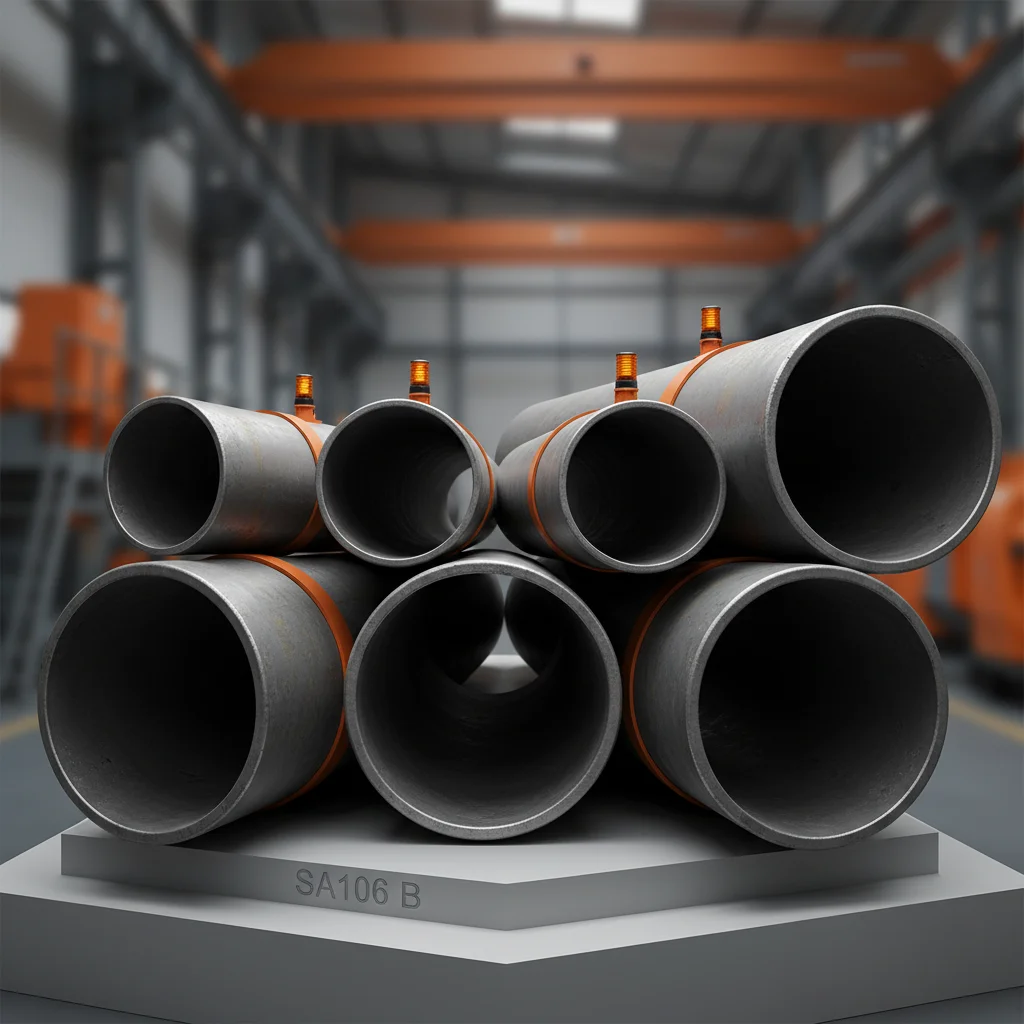
SA106 B steel is a widely used carbon steel pipe material known for its strength, weldability, and corrosion resistance. It’s a popular choice across various industries, including oil and gas, construction, and manufacturing. This article provides a deep dive into the properties, applications, specifications, and advantages of SA106 B steel, helping you understand why it's a trusted material for critical projects. We’ll explore its chemical composition, mechanical properties, and how it compares to other steel grades. For high-quality SA106 B steel pipes and related products, Benkoo Metal is a leading supplier.
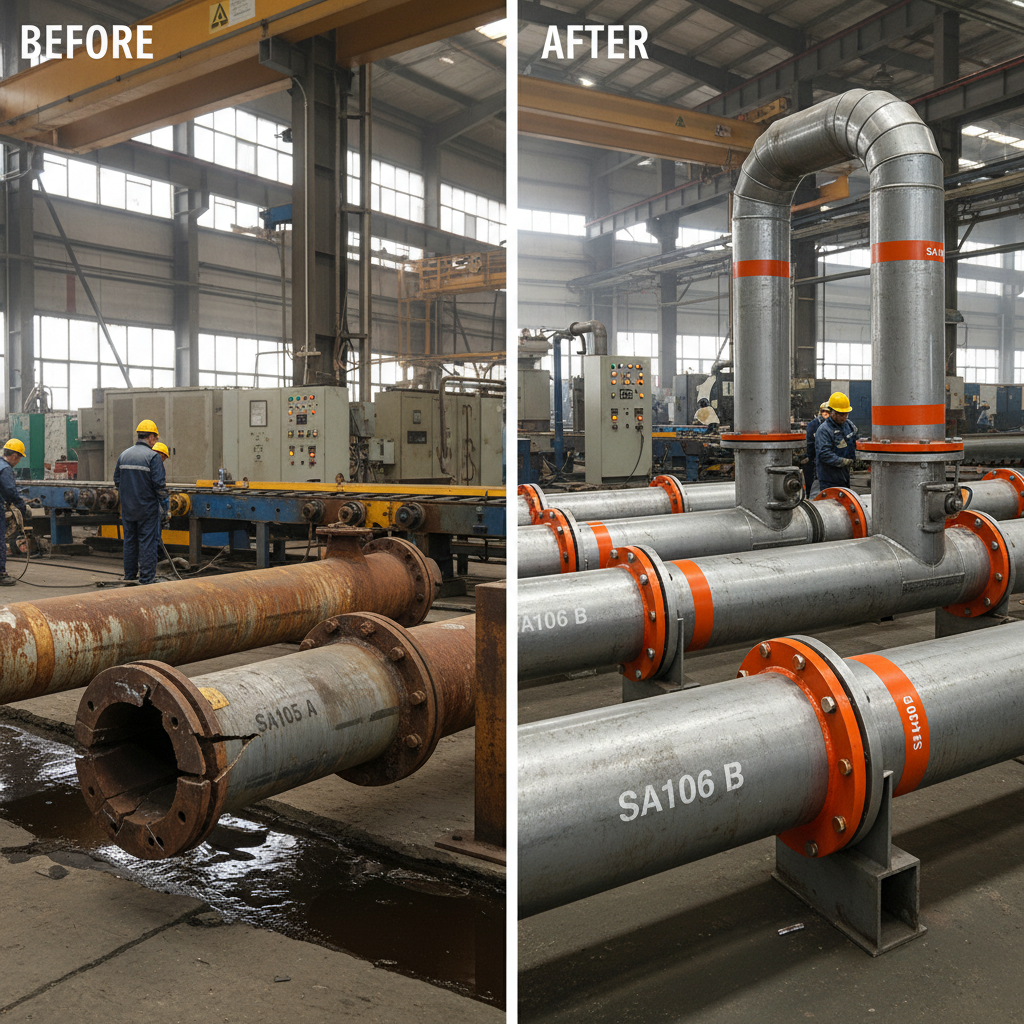
Chemical Composition of SA106 B Steel
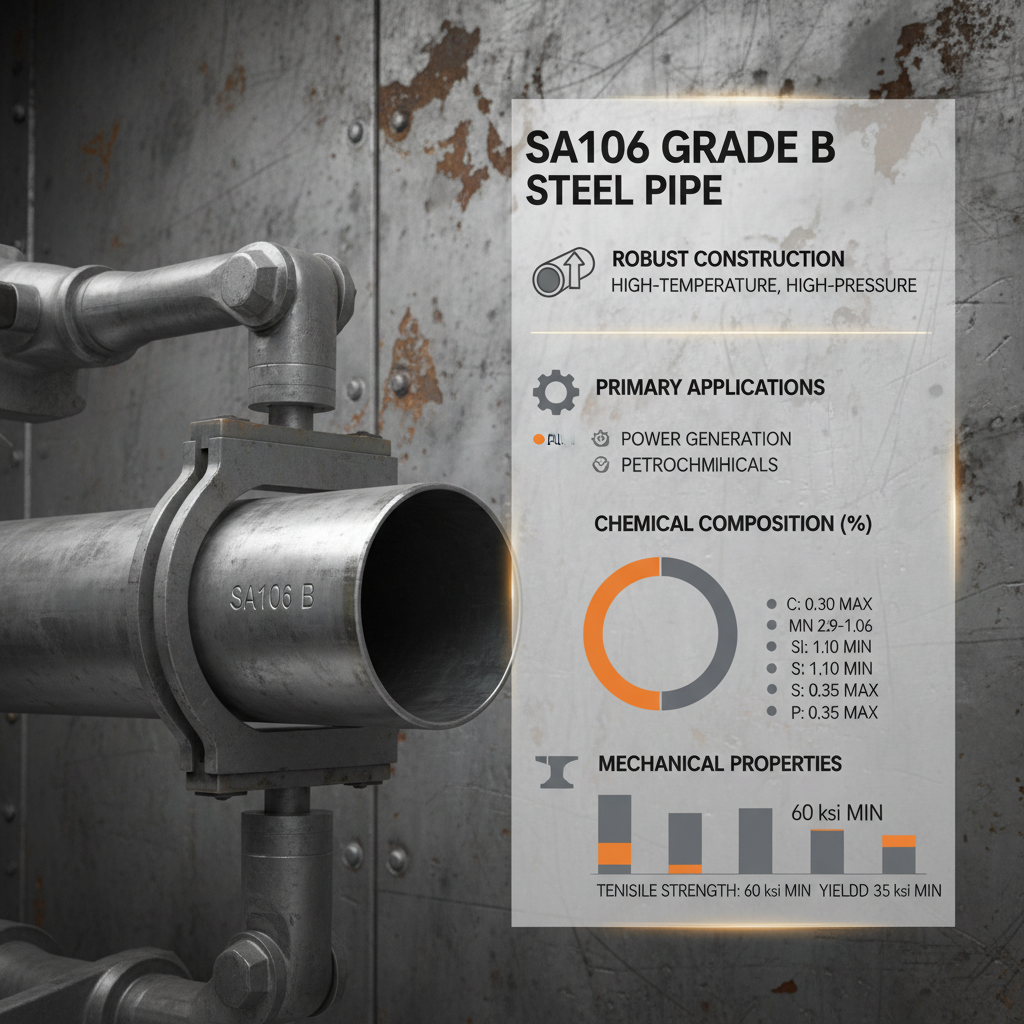
The chemical composition of SA106 B steel is carefully controlled to ensure its desired properties. The primary elements and their typical ranges are as follows: Carbon (C) ranges from 0.05% to 0.15%, Manganese (Mn) is between 0.60% and 0.90%, Phosphorus (P) is limited to 0.040%, Sulfur (S) is capped at 0.035%, and Silicon (Si) falls between 0.10% and 0.40%. Trace amounts of other elements are also present. These precise levels contribute to the steel’s weldability, strength, and resistance to corrosion. Understanding the composition is crucial for evaluating its suitability for specific applications.
Key Highlights: Precise chemical composition ensures optimal weldability, strength, and corrosion resistance. Controlled levels of carbon, manganese, phosphorus, sulfur, and silicon contribute to desired material properties.
Mechanical Properties and Strength
SA106 B steel exhibits excellent mechanical properties, making it suitable for high-pressure applications. The typical yield strength ranges from 36,000 PSI (248 MPa) to 60,000 PSI (414 MPa), while the tensile strength typically falls between 58,000 PSI (400 MPa) and 80,000 PSI (552 MPa). Elongation, a measure of ductility, is generally around 20%. These properties ensure the material can withstand significant stress and strain without fracturing. The impact toughness is also substantial, meaning it can resist brittle failure at low temperatures. These characteristics are crucial for pipelines and pressure vessels.
Key Mechanical Properties:
• Yield Strength: 36,000 - 60,000 PSI (248-414 MPa)
• Tensile Strength: 58,000 - 80,000 PSI (400-552 MPa)
• Elongation: Approximately 20%
• High Impact Toughness
SA106 B vs. Other Steel Grades: A Comparison
When choosing a steel grade, it’s important to understand how SA106 B compares to alternatives. For example, compared to A53 Grade B steel, SA106 B generally exhibits lower carbon content, resulting in better weldability. While A53 is cost-effective, SA106 B provides superior performance in high-pressure and high-temperature applications. Compared to higher alloy steels, SA106 B offers a good balance between cost and performance. It’s less expensive than alloy steels but still delivers sufficient strength and corrosion resistance for many applications.
Applications of SA106 B Steel
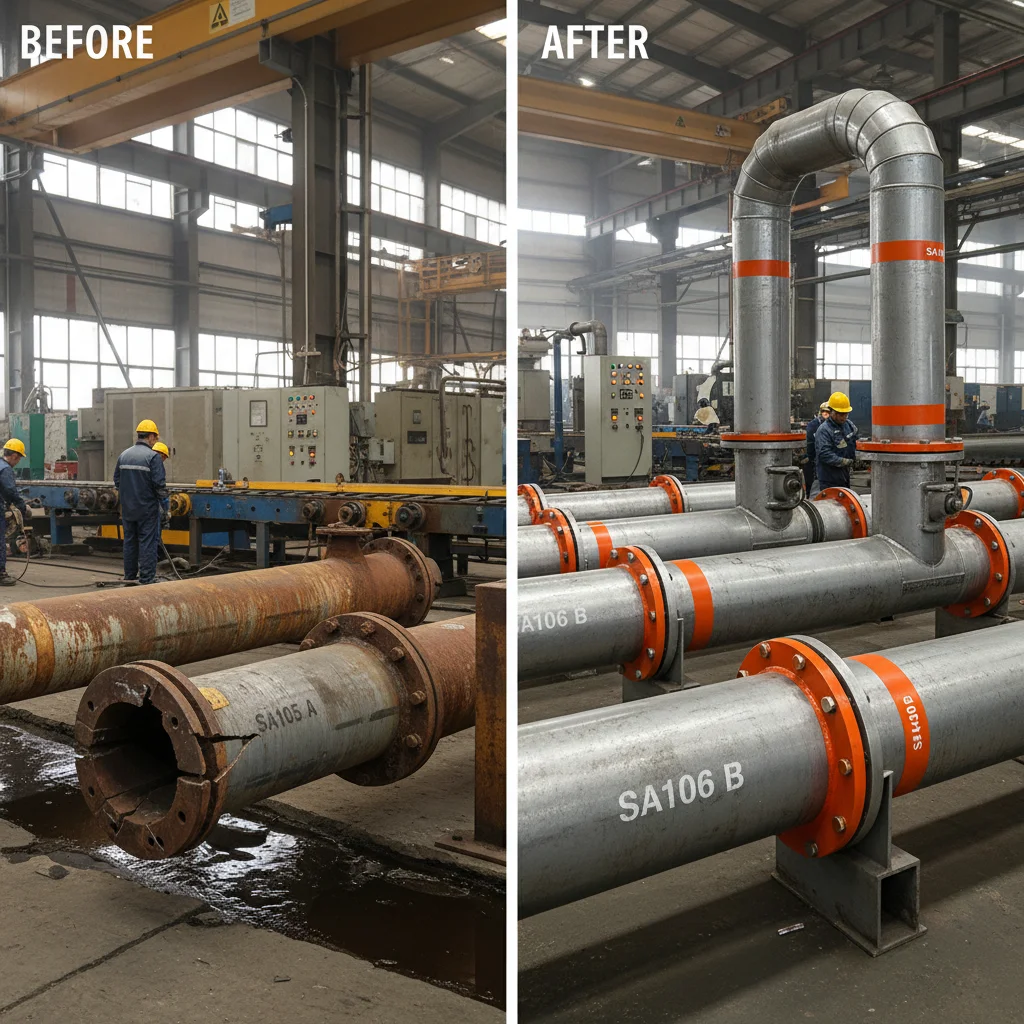
SA106 B steel is commonly used in applications requiring high strength and reliability. It is widely used for the manufacture of pipelines for transporting oil, gas, and water. It’s also used extensively in the construction of boilers, pressure vessels, and structural components. The steel’s weldability makes it ideal for fabrication into complex shapes and structures. Furthermore, it finds applications in the chemical processing industry due to its resistance to corrosion from various chemicals.
Specifications and Standards Compliance
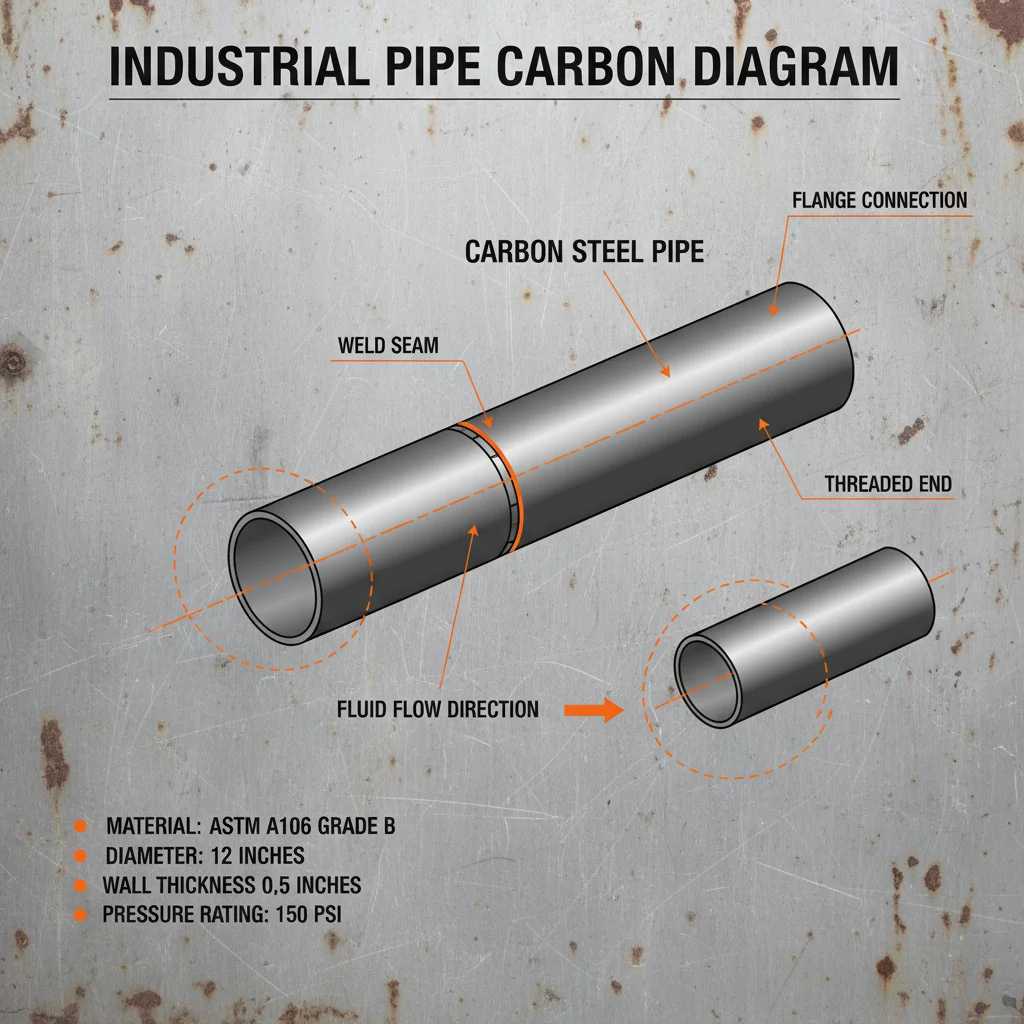
SA106 B steel pipes adhere to the stringent requirements of ASTM A106/A106M – 23, a standard specification for seamless carbon steel pipe for high-temperature service. The standard covers pipe sizes ranging from 1/2 inch to 8 inches in diameter and various wall thicknesses. Compliance with this standard ensures the material meets the necessary quality and safety requirements. Benkoo Metal offers SA106 B steel pipes that are fully compliant with these industry standards.
Conclusion: Choosing the Right Steel for Your Project
SA106 B steel is a reliable and versatile material for a wide range of applications. Its strength, weldability, and corrosion resistance make it a preferred choice for pipelines, pressure vessels, and structural components. By understanding its properties and specifications, you can make an informed decision when selecting materials for your next project. Trust Benkoo Metal for high-quality SA106 B steel products and expert support.
Frequently Asked Questions (FAQs)
What is the typical wall thickness range for SA106 B steel pipes?
The wall thickness for SA106 B steel pipes varies depending on the application and pressure requirements. Typically, the wall thickness ranges from Schedule 40 (0.237 inches) to Schedule 80 (0.375 inches). Heavier wall thicknesses are available for more demanding applications. Selecting the appropriate wall thickness is critical for ensuring the pipe can withstand the intended operating pressures and temperatures. Consult with a qualified engineer to determine the correct wall thickness for your specific needs.
Can SA106 B steel be used in corrosive environments?
While SA106 B steel offers good corrosion resistance, its suitability for highly corrosive environments depends on the specific chemicals involved. For extremely corrosive applications, consider using alloy steels or applying protective coatings, such as epoxy or galvanizing. However, in many industrial settings with moderate levels of corrosion, SA106 B steel provides adequate protection. Proper maintenance and inspection are essential for extending the lifespan of the steel in corrosive environments.
What are the common testing methods used to verify the quality of SA106 B steel?
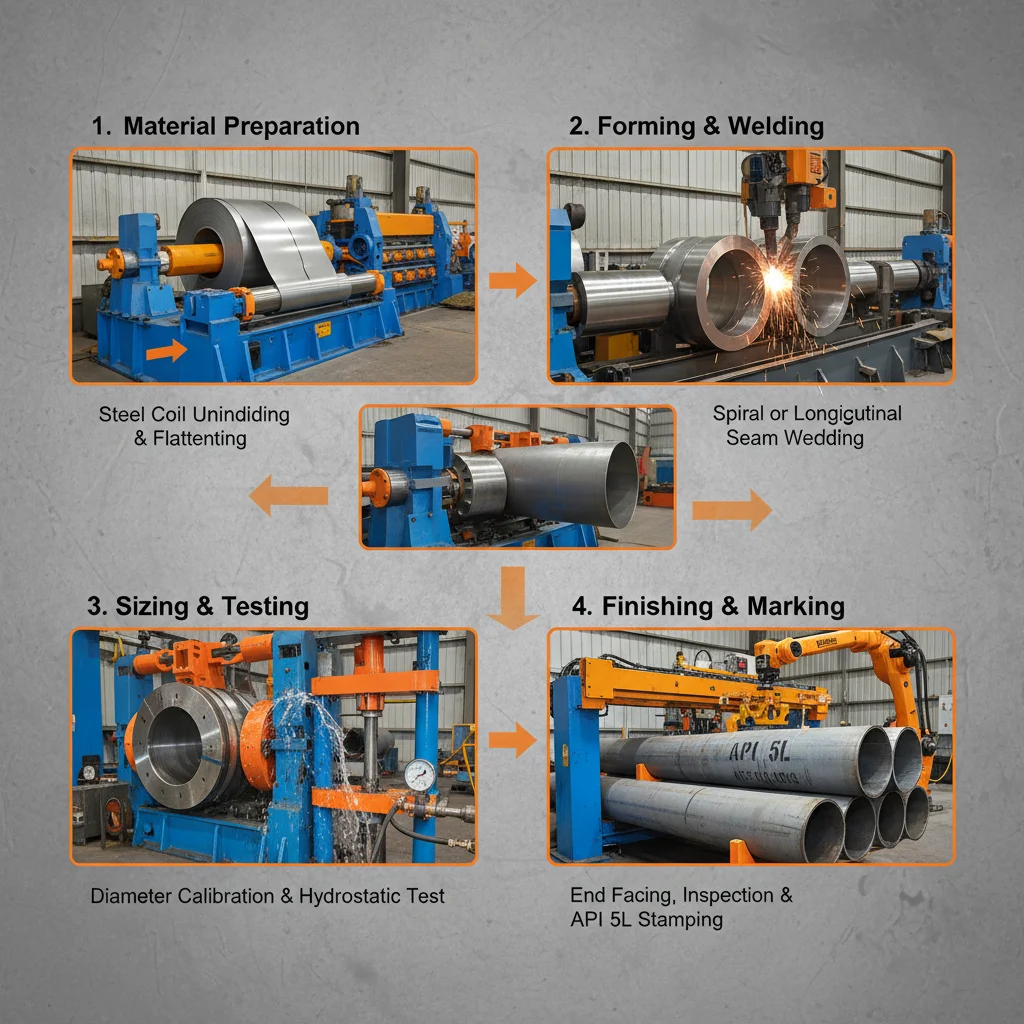
Several testing methods are employed to ensure the quality of SA106 B steel. These include chemical analysis to verify the composition, tensile testing to determine strength and elongation, impact testing to assess toughness, and non-destructive testing (NDT) such as ultrasonic testing and radiographic inspection to detect internal flaws. Hydrostatic testing is also commonly used to verify the pipe's ability to withstand pressure. Benkoo Metal provides comprehensive quality control documentation for all its SA106 B steel products.


-20251219053336.webp "Welded Titanium Pipe & Tube")
-20251219054209.webp "Titanium Plate & Sheet")