Engineers facing extreme corrosive environments often find that standard steel fails prematurely, leading to costly unplanned shutdowns. Selecting the right stainless nickel alloy piping products is not merely a procurement choice but a strategic decision to ensure plant longevity and operational safety in high-stress chemical and marine settings.
These specialized materials combine the chromium-driven oxidation resistance of stainless steel with the aggressive corrosion immunity provided by high nickel content. From deep-sea offshore platforms to high-temperature refinery reactors, the synergy of nickel and chromium creates a passive layer capable of withstanding chlorides and acids that would dissolve conventional piping.
Navigating the complexities of material grades, wall thickness, and manufacturing methods—whether seamless or welded—requires a deep understanding of metallurgical trade-offs. This guide examines the technical benchmarks and selection criteria necessary for optimizing industrial fluid transport systems.

Understanding the Metallurgy of High-Nickel Piping Systems

The core of high-performance piping lies in the stability of its passive film. While standard stainless steels rely primarily on chromium, nickel alloy piping products introduce higher percentages of nickel, molybdenum, and tungsten to stabilize the austenitic structure and prevent stress corrosion cracking (SCC).
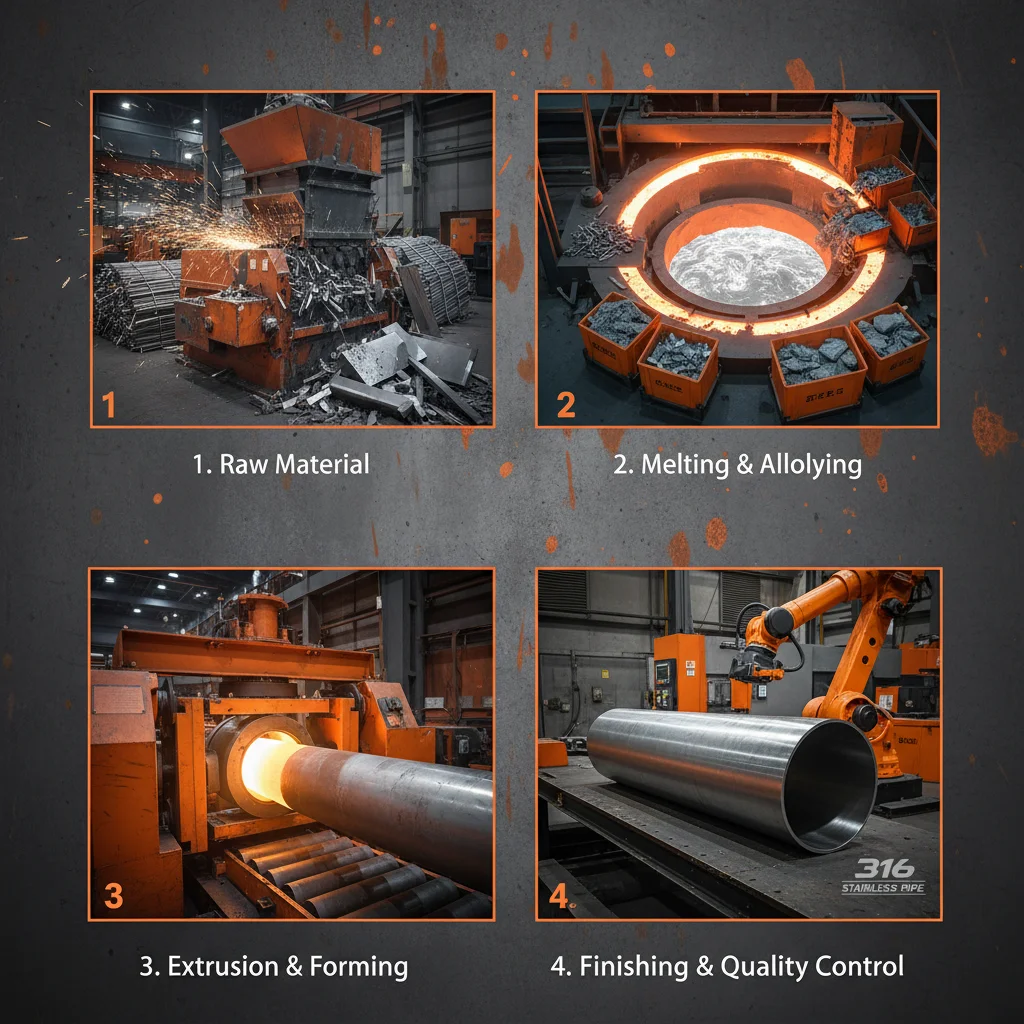
In the context of steel rolling and processing, these materials require precise thermal control. The transition from raw ingots to seamless pipes or welded tubes involves rigorous rolling and annealing processes to ensure the chemical composition remains homogeneous across the entire diameter of the pipe.
For industries dealing with seawater or hot concentrated acids, the metallurgy must be tailored. For instance, increasing molybdenum content directly enhances the Pitting Resistance Equivalent Number (PREN), which is the primary indicator of a material's ability to resist localized attack in chloride-rich environments.
Critical Performance Advantages in Aggressive Environments
The primary value proposition of nickel-based alloys is their ability to maintain mechanical integrity at temperatures where traditional carbon steel would oxidize and stainless steel might lose its structural stability.
Unlike standard alloys, these piping products offer exceptional resistance to caustic embrittlement and sulfur-bearing gases. This makes them indispensable for heat exchangers and reactor linings where thermal cycling and chemical aggression occur simultaneously.
Furthermore, the ductility of nickel alloys allows for complex bending and forming without creating micro-cracks in the crystalline structure, reducing the number of welds required in a system and thereby minimizing potential failure points.
Primary Industrial Applications for Alloy Piping Solutions
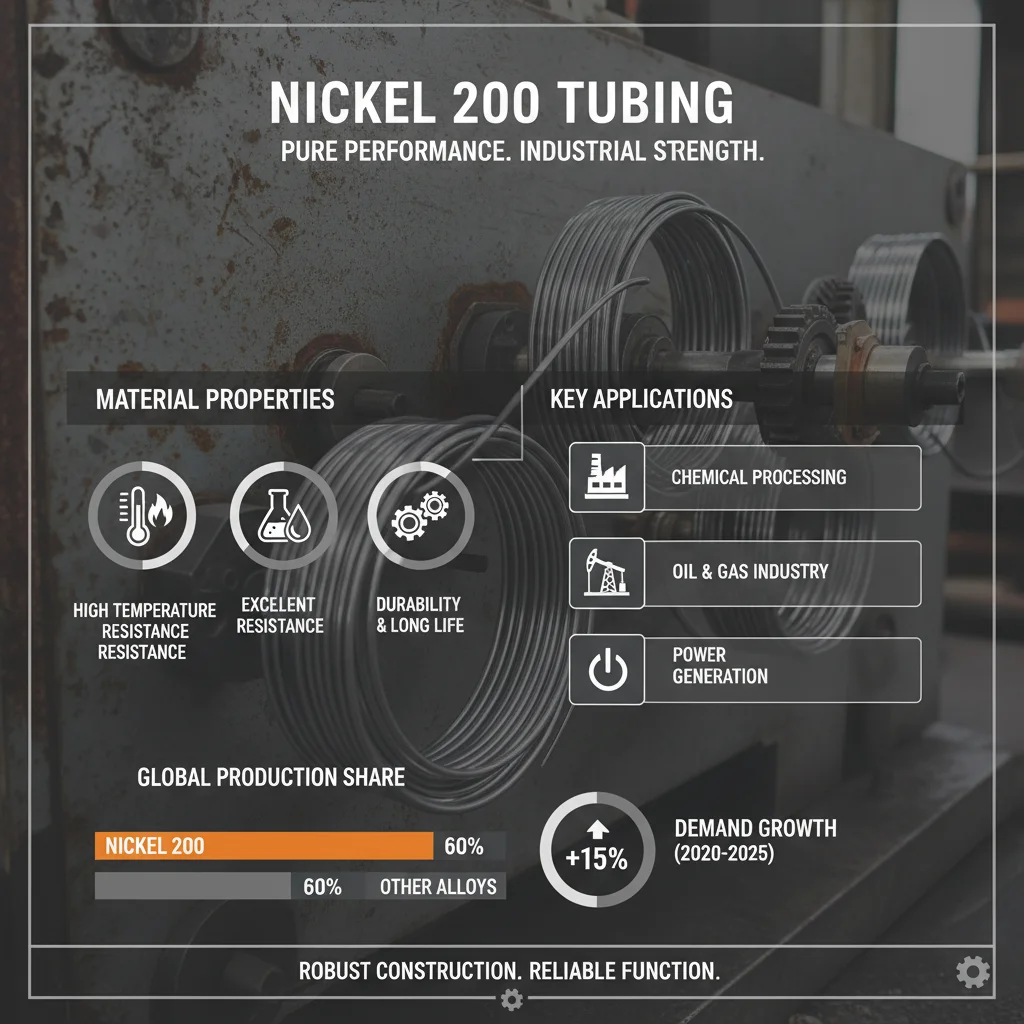
The deployment of these materials is concentrated in sectors where the cost of failure outweighs the initial capital expenditure. In Oil & Gas transportation and Refinery & Chemical plants, they are used for transporting sour crude and high-pressure steam.
Marine & Offshore engineering relies on these alloys for seawater cooling systems and desalination plants, where the constant exposure to salt spray and immersion would rapidly degrade lower-grade steels. Similarly, in Nuclear & Wind Power generation, they are utilized for critical cooling loops and high-temperature heat transfer.
Mining operations, particularly those involving leaching processes with sulfuric acid, utilize these piping products to prevent leaks that could lead to environmental disasters. The versatility spans from small-diameter precision tubing to large-scale industrial ducting.
Comparative Analysis of Corrosion Resistance Metrics
Evaluating the efficacy of alloy piping requires looking at quantitative benchmarks. The most critical metric is often the corrosion rate measured in millimeters per year (mm/y) under specific acidic or saline conditions.
When comparing standard austenitic stainless steels to high-nickel alloys, the difference in pitting resistance becomes stark, especially as the temperature of the medium increases above 60 degrees Celsius.
stainless nickel alloy piping products Performance Metrics
The data indicates that while standard materials may suffice for low-temperature applications, the transition to high-nickel alloys provides a non-linear increase in durability, significantly extending the mean time between replacements (MTBR).
Procurement Strategies and Material Selection Frameworks
Procuring high-value alloy piping requires a shift from "lowest bid" to "lowest total cost of ownership" (TCO). Buyers must assess the trade-off between seamless pipes, which offer higher pressure ratings, and welded pipes, which provide cost-efficiency for larger diameters.
Verification of material certifications, such as EN 10204 3.2, is mandatory for critical applications. This ensures full traceability from the melt to the finished product, guaranteeing that the nickel and chromium percentages match the design specifications.
Additionally, inventory availability is a key risk factor. Strategic partnerships with distributors who maintain a significant stock of nickel alloys allow projects to avoid the long lead times associated with custom mill orders.
Evolution of Welding and Fabrication Technologies
The industry is moving toward automated welding processes to minimize the Heat Affected Zone (HAZ). Traditional TIG welding is being supplemented by Plasma (PAW) and Laser (LBW) welding to reduce distortion in thin-walled tubing.
A critical step in the fabrication of welded nickel alloys is full solution annealing. This heat treatment restores the corrosion resistance of the weld zone to match the base metal, eliminating the risk of intergranular corrosion at the seams.
Future trends suggest a greater integration of non-destructive testing (NDT), including automated ultrasonic testing (AUT), to ensure 100% weld integrity in large-diameter piping systems used in offshore energy.
Evaluating Material Options for Long-Term ROI
Choosing between different alloy grades depends on the specific chemical threats. While one grade may excel in sulfuric acid, another might be required for high-temperature chloride environments.
The following table provides a comparative framework for selecting piping solutions based on the operational environment and performance requirements.
| Environment Type | Recommended Material | Key Performance Driver | Maintenance Cycle |
|---|---|---|---|
| High-Chloride Seawater | Super Duplex / Nickel Alloy | Pitting Resistance (PREN) | Extended (10+ Years) |
| Hot Sulfuric Acid | High-Nickel Alloys | Acidic Stability | Medium (5-8 Years) |
| High-Temp Steam | Austenitic Nickel Alloy | Creep Strength | Predictable/Scheduled |
| Caustic Soda Plants | Nickel 200/201 | Alkali Resistance | Long-Term Stability |
| Offshore Oil Wells | Inconel / Monel Grades | SCC Immunity | Low Intervention |
| Chemical Reactors | Custom Alloy Blends | Thermal Cycling Stability | High-Frequency Monitoring |
Ultimately, the investment in premium alloy piping is justified when the projected lifespan of the system exceeds the payback period of the material cost difference, typically seen in plants with 24/7 operational requirements.
Frequently Asked Questions
Conclusion
The transition to high-performance stainless nickel alloy piping products represents a critical evolution in industrial infrastructure. By prioritizing metallurgical stability and rigorous fabrication standards over initial cost, operators can virtually eliminate the risks associated with corrosive failure and unplanned downtime.
For organizations evaluating the specific material requirements of their project, reviewing a comprehensive inventory of seamless and welded alloy solutions can accelerate the procurement cycle. Detailed technical specifications and material certifications available through www.benkoometal.com provide the necessary data to ensure long-term system reliability.