The industrial landscape of modern metallurgy is constantly evolving, and the emergence of specialized alloys like sa 789 s31803 has redefined the standards for corrosion resistance and structural integrity. This duplex stainless steel specification is engineered to bridge the gap between austenitic and ferritic steels, providing a synergistic blend of mechanical strength and chemical stability that is indispensable in high-stress environments.
Across the global manufacturing sector, the adoption of sa 789 s31803 is driven by the critical need to reduce maintenance downtime and extend the lifecycle of piping systems. From offshore oil platforms to chemical processing plants, this material ensures that critical fluid transport remains uninterrupted, even when exposed to aggressive chloride-rich environments that would typically degrade standard carbon steels.
Understanding the nuances of sa 789 s31803 allows engineers to optimize their material selection process, balancing the initial capital expenditure with long-term operational savings. By leveraging its superior yield strength and pitting resistance, industries can implement safer, more sustainable infrastructure that meets the rigorous safety mandates of ISO and ASTM standards.

The Industrial Significance of sa 789 s31803
The global demand for sa 789 s31803 has surged as industries move toward more extreme operating conditions. In the energy sector, particularly within the North Sea and Gulf of Mexico, the ability of this duplex alloy to withstand salt-spray corrosion while maintaining high pressure makes it a non-negotiable choice for subsea piping and heat exchangers.
Furthermore, the standardization of sa 789 s31803 ensures a level of interoperability across international projects. Whether a plant is constructed in Asia or Europe, adhering to these precise metallurgical specifications guarantees that the materials will perform predictably under the stress of thermal expansion and chemical erosion.
Technical Definition and Material Composition
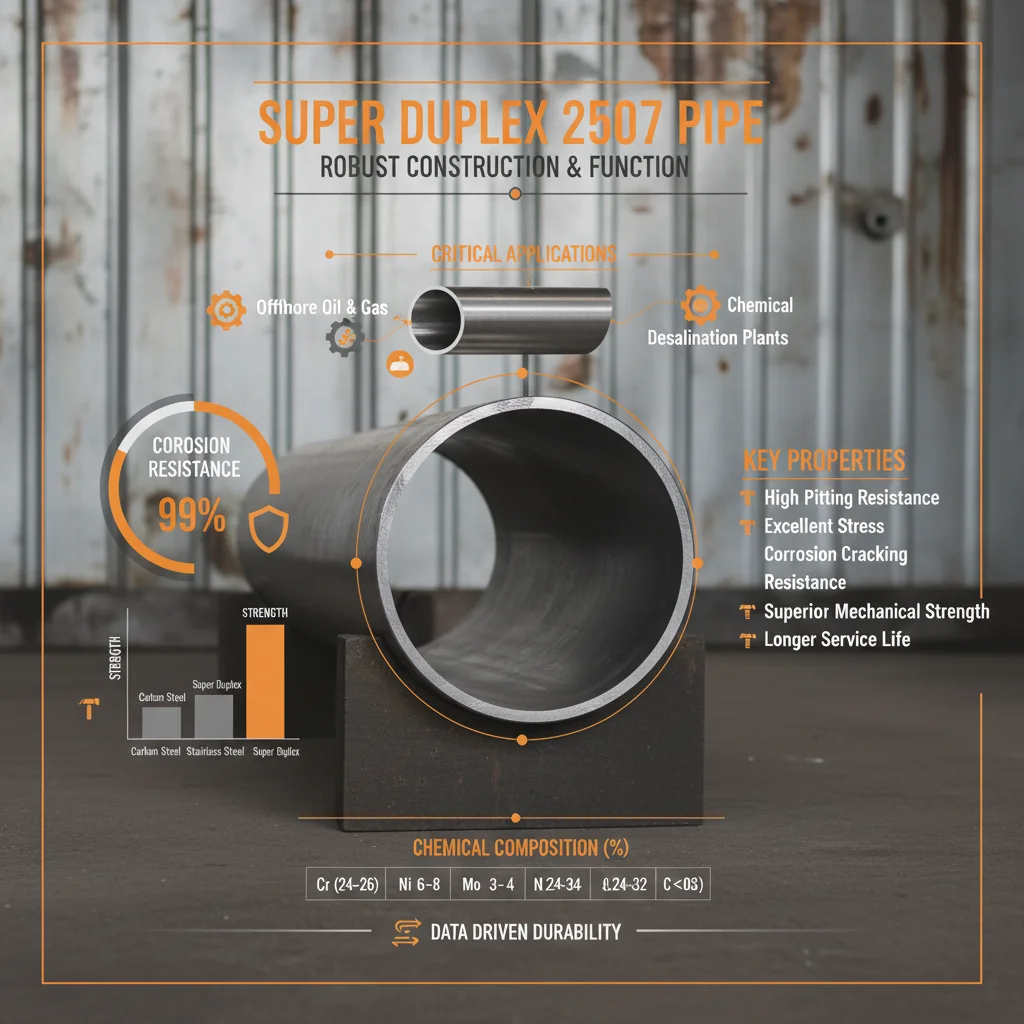
At its core, sa 789 s31803 refers to a specific grade of duplex stainless steel used primarily in seamless and welded piping. The "S31803" designation identifies the chemical composition, which typically features a balanced mix of chromium, nickel, and molybdenum. This composition allows the metal to form a dual-phase microstructure—consisting of approximately 50% austenite and 50% ferrite—which is the secret behind its exceptional versatility.
From a technical standpoint, the ferrite phase provides high strength and resistance to stress corrosion cracking (SCC), while the austenite phase ensures toughness and ductility. When these two phases are properly balanced during the rolling and cooling process, sa 789 s31803 achieves a fatigue limit significantly higher than that of standard 300-series stainless steels.
This material is not just a commodity but a precision-engineered solution. By controlling the molybdenum content, manufacturers can ensure that the piping resists pitting and crevice corrosion, which are the primary causes of failure in desalination plants and pharmaceutical processing lines.
Core Performance Factors of Duplex Steel
The durability of sa 789 s31803 is defined by its high yield strength. Unlike traditional austenitic steels, this duplex grade allows engineers to specify thinner wall thicknesses for the same pressure rating, which directly reduces the overall weight of the installation and lowers shipping costs.
Another critical factor is the scalability of sa 789 s31803 across different product forms. Whether used as seamless pipes for fluid transport or solid bars for machining high-tolerance components, the alloy maintains its core chemical stability, ensuring that the integrity of the system is not compromised by the shape of the part.
Finally, the cost-efficiency of sa 789 s31803 is realized through its extended service life. While the initial purchase price may be higher than carbon steel, the virtual elimination of frequent corrosion-related replacements results in a lower Total Cost of Ownership (TCO) over a 20-year project lifecycle.
Global Applications and Sector Use Cases
In the realm of oil and gas, sa 789 s31803 is frequently deployed in "sour service" environments where hydrogen sulfide (H2S) is present. Its resistance to sulfide stress cracking makes it ideal for downhole tubing and manifold systems in remote industrial zones, where any leak could lead to catastrophic environmental damage.
Beyond energy, the chemical processing industry relies on sa 789 s31803 for the transport of aggressive acids and alkalis. In pharmaceutical plants, where sterility and purity are paramount, the smooth surface finish and non-reactive nature of the alloy prevent contamination, ensuring that high-value medicine reaches consumers safely.
Comparative Performance Analysis of sa 789 s31803
Long-Term Economic and Safety Value
The true value of sa 789 s31803 lies in its contribution to operational safety. In high-pressure fluid systems, the risk of catastrophic rupture is minimized by the alloy's superior fatigue resistance. This provides peace of mind for plant operators, knowing that the infrastructure can withstand pressure surges without the risk of sudden failure.
From a sustainability perspective, using sa 789 s31803 reduces the environmental footprint of industrial projects. Because the material lasts significantly longer than carbon steel, the frequency of replacement cycles is reduced, leading to less scrap metal and lower energy consumption during the manufacturing and installation phases.
Future Innovations in Alloy Processing
Looking forward, the production of sa 789 s31803 is being transformed by digital twin technology and automation. By simulating the heat treatment process in a virtual environment, manufacturers can now achieve a more precise ferrite-austenite balance, eliminating internal stresses and further enhancing the alloy's resistance to pitting.
Green energy initiatives are also driving new applications for sa 789 s31803. In the emerging hydrogen economy, the material's resistance to hydrogen embrittlement makes it a prime candidate for hydrogen transport pipelines and storage tanks, supporting the global shift toward carbon neutrality.
Furthermore, the integration of additive manufacturing (3D printing) with duplex powders is allowing for the creation of complex, optimized geometries that were previously impossible. This ensures that sa 789 s31803 remains at the forefront of engineering innovation for decades to come.
Overcoming Implementation Challenges
Despite its benefits, implementing sa 789 s31803 requires specialized expertise, particularly during the welding process. Incorrect heat input can lead to the precipitation of sigma phases, which embrittle the material and reduce its corrosion resistance. This challenge is solved through strict adherence to Welding Procedure Specifications (WPS) and the use of matching filler metals.
Another common hurdle is the higher initial procurement cost. However, expert procurement strategies involve analyzing the "Life Cycle Cost" rather than the "Unit Price." By demonstrating that sa 789 s31803 reduces maintenance intervals from every 2 years to every 10 years, the financial argument becomes undeniable.
Finally, ensuring full traceability is essential for safety compliance. The solution lies in utilizing comprehensive Material Test Reports (MTRs) and EN 10204 3.1 certifications, ensuring that every inch of sa 789 s31803 piping is verified for its chemical and mechanical properties.
Core Analysis of sa 789 s31803 Implementation and Performance
| Analysis Dimension |
Standard Carbon Steel |
Austenitic Steel |
sa 789 s31803 Duplex |
| Corrosion Rate (High Chloride) |
Very High |
Moderate |
Very Low |
| Yield Strength (MPa) |
235 - 355 |
200 - 250 |
450 - 550 |
| SCC Resistance |
Low |
Moderate |
Excellent |
| Initial Cost Factor |
1.0x (Baseline) |
2.5x |
2.2x |
| Maintenance Interval |
Short (1-3 yrs) |
Medium (5-7 yrs) |
Long (10-20 yrs) |
| Weight Efficiency |
Low |
Medium |
High |
FAQS
The primary advantage of sa 789 s31803 is its duplex structure, which provides nearly double the yield strength of 316 stainless steel and significantly higher resistance to stress corrosion cracking (SCC) and pitting in chloride-rich environments. This allows for thinner walls and longer service life.
While excellent for many environments, duplex steels like sa 789 s31803 have a lower cryogenic limit than austenitic steels. They are generally suitable down to -50°C. For ultra-cryogenic applications, austenitic grades are typically preferred to avoid embrittlement.
To prevent the brittle sigma phase, it is critical to control the heat input and cooling rates. Using low-heat input welding techniques and ensuring the interpass temperature stays below 150°C helps maintain the balanced 50/50 ferrite-austenite microstructure.
Yes, sa 789 s31803 is highly suitable for the food and beverage industry, especially in areas involving brine or acidic cleaning agents. Its superior corrosion resistance ensures that no metallic contaminants leach into the product, maintaining high hygiene standards.
You should request a Material Test Certificate (MTC) according to EN 10204 3.1 or 3.2. This document verifies the chemical composition, mechanical properties (yield, tensile, elongation), and confirms that the material meets the ASTM A789/SA789 specifications.
Absolutely. sa 789 s31803 can be machined into solid bars, flanges, and fittings. However, due to its high strength and work-hardening characteristics, it requires carbide tooling and slower cutting speeds compared to carbon steel to ensure a quality finish.
Conclusion
In summary, sa 789 s31803 represents the ideal intersection of strength, durability, and corrosion resistance. By combining the best properties of ferritic and austenitic steels, it addresses the most pressing challenges of modern industrial piping, from the depths of the ocean to the precision of pharmaceutical labs. Its ability to reduce material weight while increasing system longevity makes it a cornerstone of efficient metallurgical engineering.
As we move toward a future defined by sustainable energy and smarter infrastructure, the role of high-performance alloys like sa 789 s31803 will only grow. For companies looking to optimize their operational ROI and ensure uncompromising safety, investing in duplex stainless steel is a strategic necessity. To explore our full range of precision-engineered piping solutions, visit our website: www.benkoometal.com.