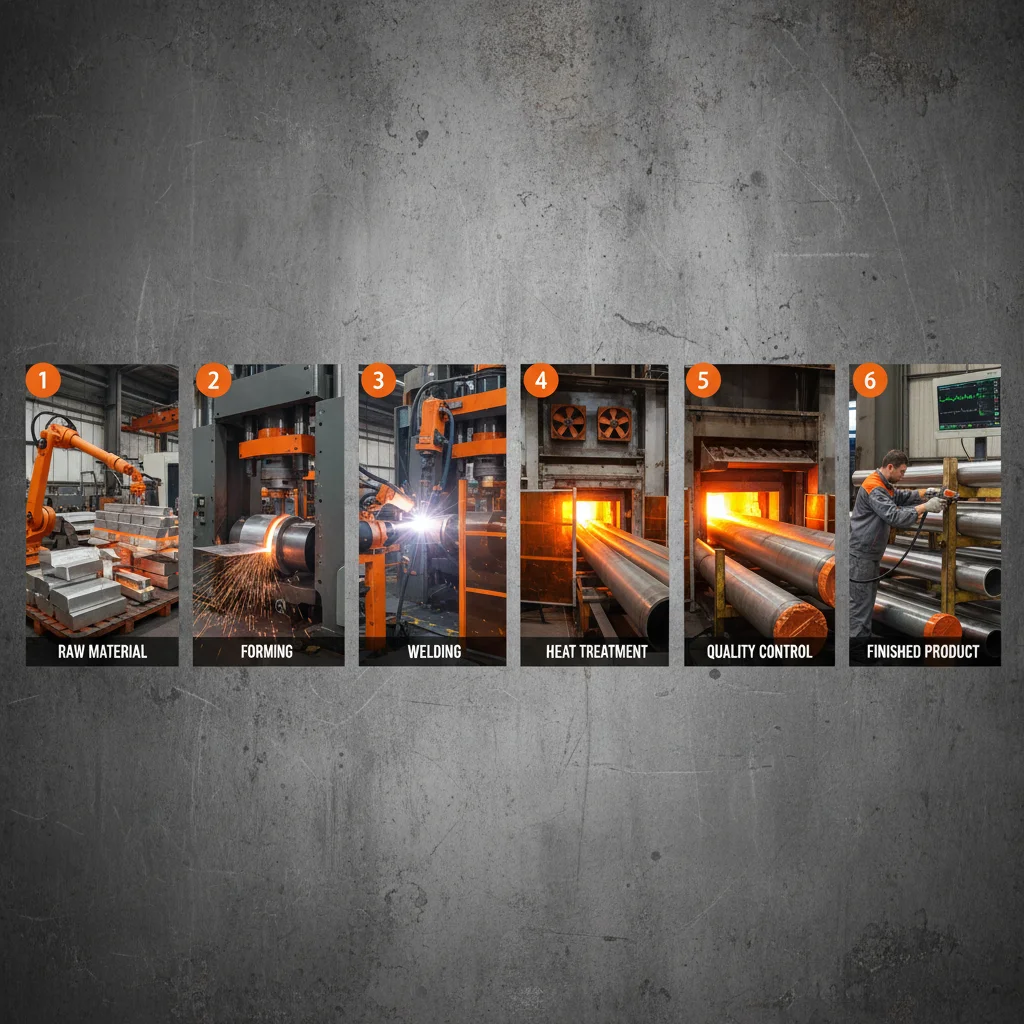

The Ultimate Guide to 316L Seamless Pipe: Applications and Benefits
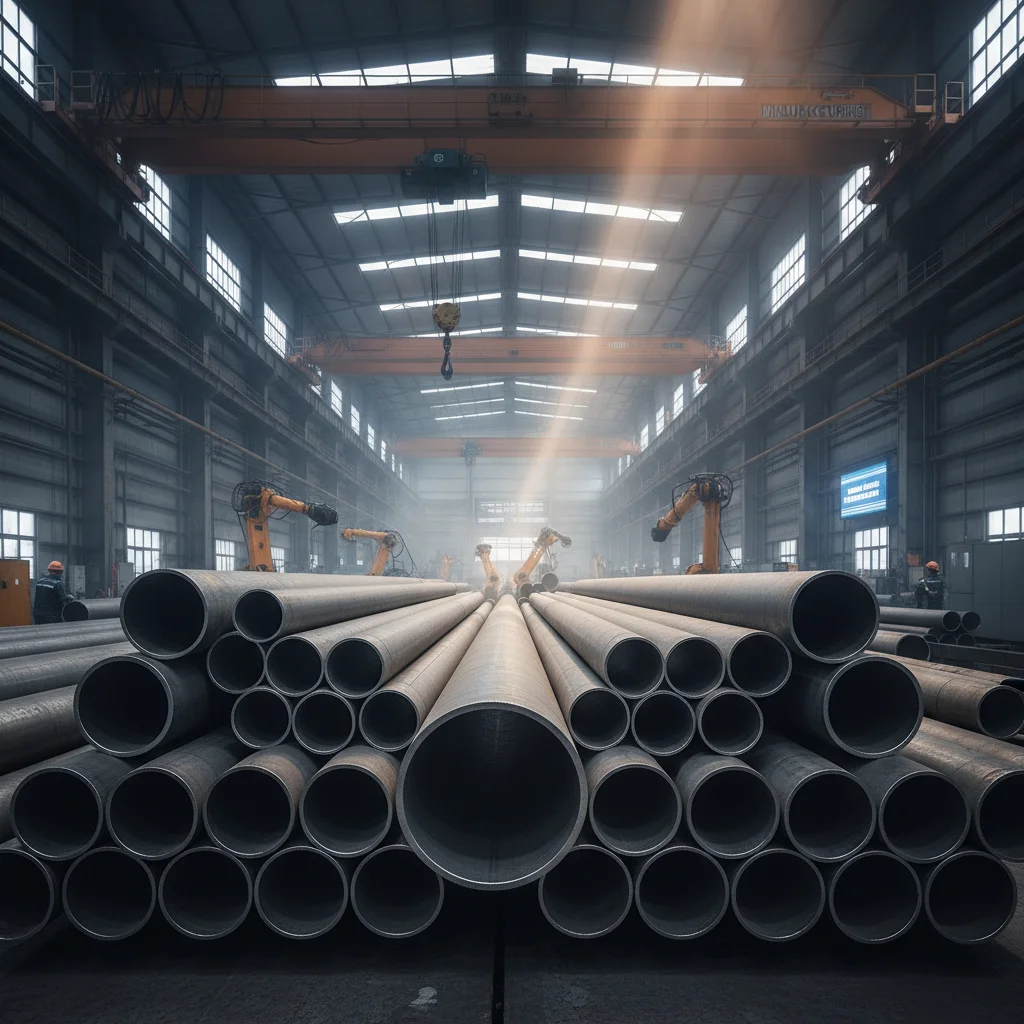
In the world of industrial piping, reliability and corrosion resistance are non-negotiable. The 316l seamless pipe stands as a premium solution for engineers and procurement managers who require a material capable of withstanding the harshest environments. Unlike welded pipes, seamless variants eliminate the risk of seam failure, ensuring a consistent structural integrity that is critical for high-pressure systems. Whether it is for pharmaceutical processing or offshore oil rigs, understanding the nuances of this specific grade of stainless steel is key to long-term operational efficiency. In this guide, we will explore why the "L" in 316L matters and how this material outperforms other options.

What Makes 316L Seamless Pipe Different?
The 316L grade is a low-carbon version of the standard 316 stainless steel. This reduction in carbon content is pivotal; it prevents carbide precipitation during welding, which significantly reduces the risk of intergranular corrosion. When you choose a 316l seamless pipe, you are opting for a product that has been extruded or pierced without any welded joints. This results in a more uniform wall thickness and a higher pressure rating, making it the gold standard for safety-critical applications where a leak could lead to catastrophic failure.
Pro Tip: Always verify the "L" designation if your project involves welding, as standard 316 may require post-weld annealing to avoid corrosion at the heat-affected zones.
Comparative Analysis: 316L Seamless Pipe vs. 304 Stainless Steel
While 304 stainless steel is widely used, it often falls short in environments containing chlorides or acidic compounds. The addition of molybdenum in the 316l seamless pipe provides a shield against pitting and crevice corrosion. This makes the 316L variant essential for marine environments or chemical processing plants where 304 would degrade rapidly. Below is a detailed comparison showing why the 316L grade is the superior choice for aggressive media.
Key Industrial Applications of 316L Seamless Pipe
The versatility of the 316l seamless pipe allows it to be used in sectors where failure is not an option. In the pharmaceutical industry, these pipes ensure that the purity of the drug is maintained without contamination from rust or corrosion. In oil and gas, they are used for downstream processing where they face sulfuric acid and other caustic agents. Additionally, the food and beverage industry relies on these pipes for their ease of sterilization and resistance to organic acids.

Technical Specifications for 316L Seamless Pipe
When ordering materials from a supplier like Benkoo Metal, it is crucial to specify the correct standards. Most 316l seamless pipe products are manufactured according to ASTM A312 or ASME standards. These standards ensure that the pipe meets rigorous mechanical properties, including tensile strength and yield strength, ensuring the pipe can handle the intended pressure loads without deformation.
Installation and Maintenance of Stainless Piping
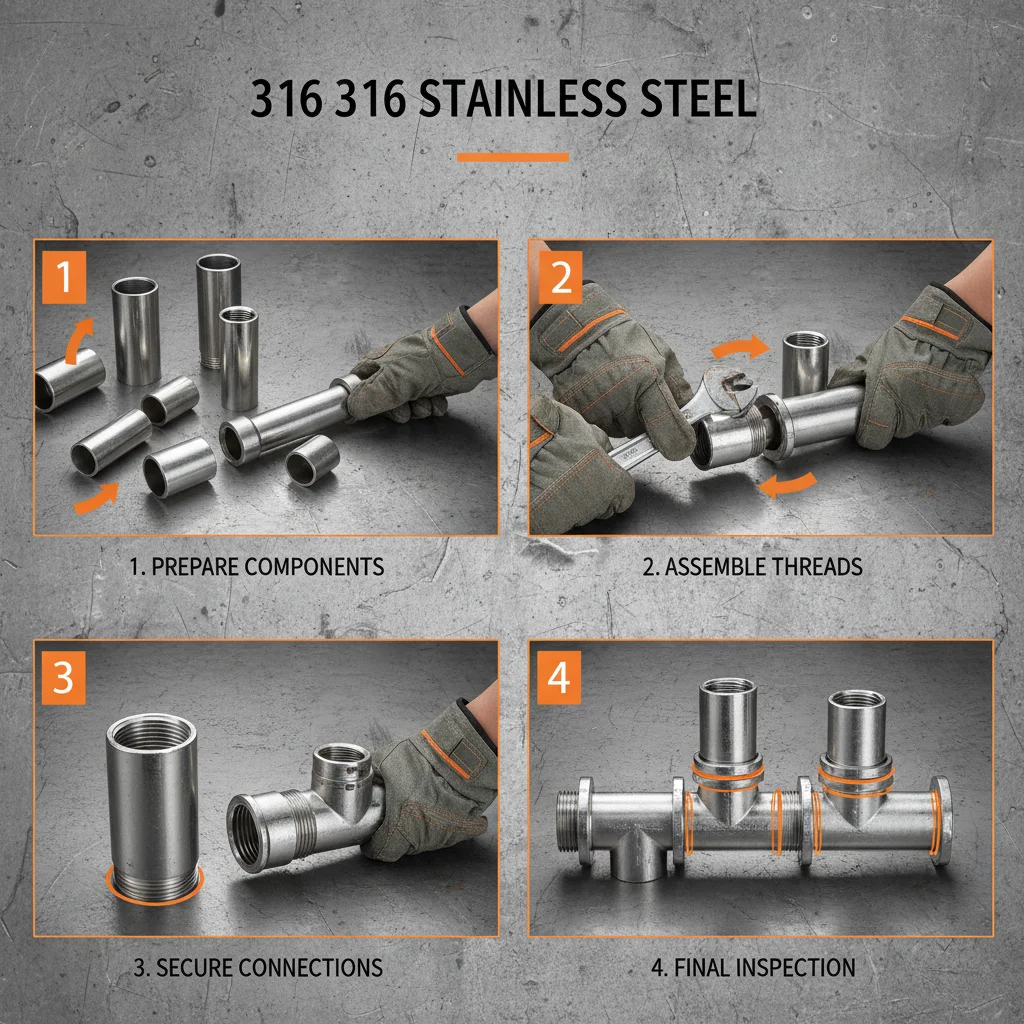
To maximize the lifespan of your 316l seamless pipe, proper installation is mandatory. One common mistake is using carbon steel tools on stainless steel, which can lead to "cross-contamination" and cause surface rusting. We recommend using dedicated stainless steel brushes and tools. Furthermore, periodic inspections for pitting in high-chloride zones can prevent sudden leaks. Ensuring that the weld joints are properly cleaned and passivated will maintain the integrity of the low-carbon structure.
How to Source High-Quality 316L Seamless Pipe
Sourcing the right material involves more than just comparing prices. You must verify the Mill Test Certificate (MTC) to ensure the chemical composition matches the 316L requirements. A reputable supplier will provide full traceability for every batch of 316l seamless pipe. Look for suppliers that adhere to international quality management systems and offer various finishing options like electropolishing for ultra-clean applications. Investing in quality upfront reduces the cost of maintenance and unplanned downtime in the future.
Conclusion: Choosing Excellence with 316L Seamless Pipe
The 316l seamless pipe is more than just a plumbing component; it is a critical asset for industrial safety and longevity. With its exceptional resistance to corrosion, superior weldability, and structural consistency, it remains the preferred choice for high-stakes engineering projects. By prioritizing the low-carbon 316L grade, businesses can ensure their infrastructure is built to last, reducing environmental risks and operational costs. For those seeking precision and durability, this material is an unmatched investment.
Frequently Asked Questions (FAQs)
What is the main advantage of seamless over welded pipes?
The primary advantage of a seamless pipe is the absence of a longitudinal weld seam. Weld seams are often the weakest point of a pipe and are most susceptible to corrosion and mechanical failure under high pressure. A seamless pipe provides a uniform structure and higher pressure-bearing capacity, which is essential for hazardous chemicals or high-temperature steam applications where a seam leak could be dangerous.
Why is 316L preferred over 316 for welding?
The "L" stands for Low Carbon. In standard 316 stainless steel, high temperatures during welding cause carbon to combine with chromium, forming chromium carbides. This process, known as sensitization, depletes the chromium levels at the grain boundaries, leaving the metal vulnerable to intergranular corrosion. 316L minimizes this risk by keeping carbon levels below 0.03%, ensuring the corrosion resistance remains intact after the welding process.
Can 316L seamless pipes be used in saltwater environments?
Yes, 316L is highly recommended for marine and saltwater environments. This is due to the addition of molybdenum, which specifically enhances the alloy's resistance to chloride-induced pitting. While no stainless steel is completely immune to saltwater over infinite time, 316L performs significantly better than 304 or other standard grades, making it the industry standard for offshore platforms and coastal infrastructure.
How can I verify the quality of the pipe I receive?
The most reliable way to verify quality is by requesting a Mill Test Certificate (MTC) according to EN 10204. This document lists the heat number and the exact chemical composition of the batch, confirming it is indeed 316L. Additionally, you can perform a PMI (Positive Material Identification) test using a handheld XRF analyzer to instantly verify the molybdenum and chromium levels on the surface of the pipe.