
The Ultimate Guide to 316 Stainless Pipe Fittings for Industrial Piping
In the world of industrial piping and fluid handling, the choice of materials can make or break the efficiency and safety of a system. 316 stainless pipe fittings are widely regarded as the gold standard for applications requiring exceptional corrosion resistance and durability. Whether you are dealing with aggressive chemicals, saltwater, or high-temperature environments, these fittings provide the structural integrity needed to prevent leaks and system failures. This guide will explore why 316 stainless steel is preferred over other grades and how to select the right fittings for your specific project requirements to ensure long-term operational success.

Why Choose 316 Stainless Pipe Fittings Over 304?
While 304 stainless steel is common, 316 stainless pipe fittings offer a significant advantage due to the addition of molybdenum. This element enhances the material's resistance to pitting and crevice corrosion, especially in chloride-rich environments. For industries like marine engineering or pharmaceutical processing, this distinction is critical. The 316 grade ensures that the piping system remains leak-proof and structurally sound even when exposed to salts or acidic solutions that would typically degrade lower-grade steels. Investing in 316 grade minimizes maintenance costs and extends the replacement cycle of the entire infrastructure.
Material Insight: The addition of 2-3% molybdenum in 316 stainless steel creates a more stable passive layer, making it the ideal choice for harsh chemical processing and coastal installations.
Common Types of 316 Stainless Pipe Fittings
Depending on the direction of flow and the complexity of the piping layout, different types of 316 stainless pipe fittings are utilized. Elbows are used to change the direction of the pipe, typically at 45 or 90 degrees. Tees allow for the splitting of a flow into two different directions, while reducers are essential for connecting pipes of different diameters. Additionally, caps and plugs are used to seal the ends of a line. Each component is precision-engineered to ensure a tight seal, whether they are joined via welding, threading, or socket connections, ensuring the system maintains its pressure rating throughout the operation.

Comparing 316 Stainless Pipe Fittings Grades
Understanding the technical difference between the standard 316 and the 316L (Low Carbon) version is vital for engineers. The 316L variant is specifically designed to prevent sensitization during welding, which can lead to intergranular corrosion. When 316 stainless pipe fittings are welded, the low carbon content prevents chromium carbides from precipitating at the grain boundaries. This makes 316L the superior choice for systems that require extensive welding. Below is a detailed comparison of the most commonly used grades in the industry.
Key Industrial Applications of 316 Stainless Pipe Fittings
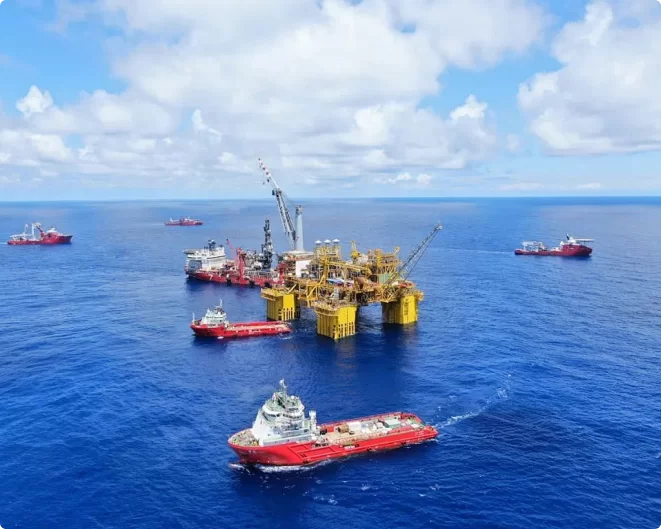
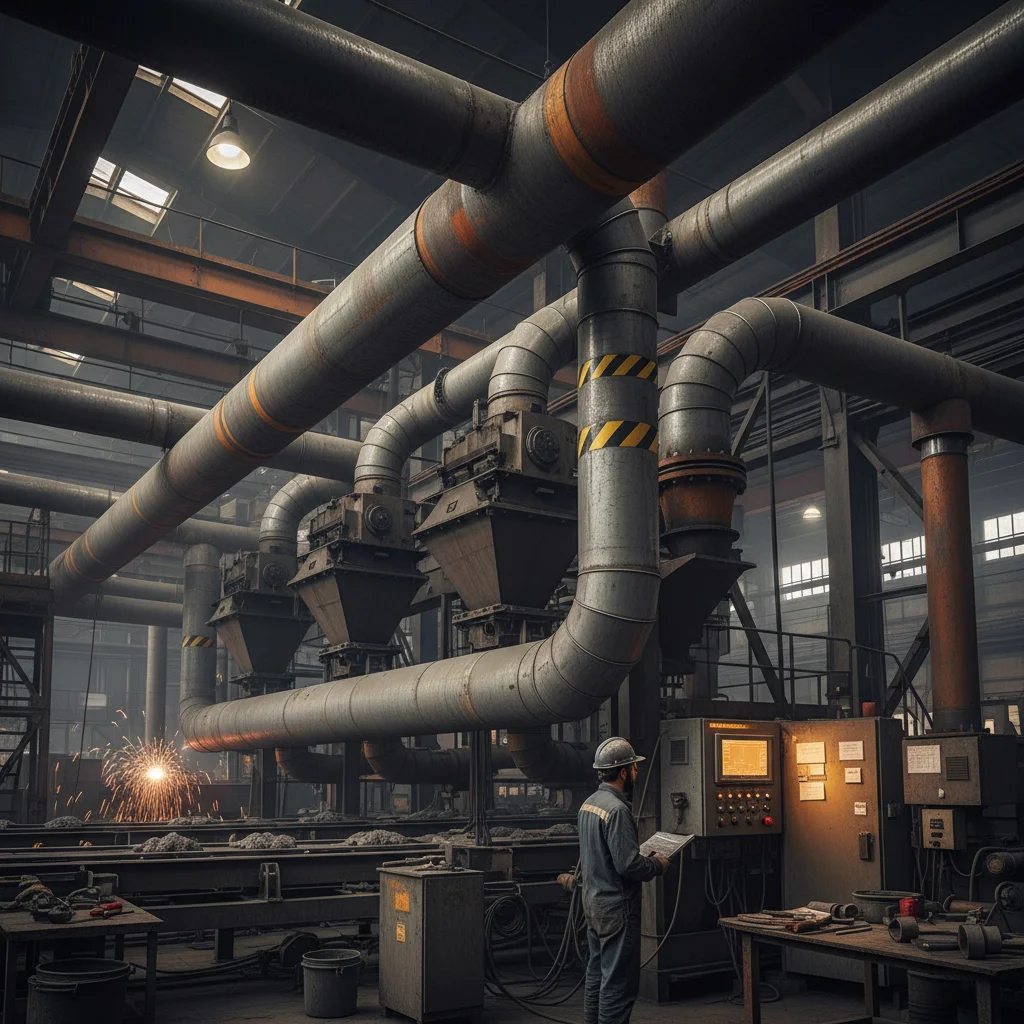
The robustness of 316 stainless pipe fittings makes them indispensable across several high-stakes industries. In the Oil and Gas sector, they are used for transporting corrosive hydrocarbons and brine. In Pharmaceuticals, the non-reactive nature of the steel ensures that medication purity is maintained without contamination from the piping. Furthermore, the Food and Beverage industry relies on these fittings for their ease of cleaning (CIP - Clean-in-Place) and resistance to organic acids found in food products. From seawater desalination plants to chemical reactors, these components ensure safety and compliance with international hygiene and pressure standards.
Technical Specifications for 316 Stainless Pipe Fittings
When sourcing 316 stainless pipe fittings, it is essential to adhere to global standards such as ASTM and ASME. These standards define the wall thickness (schedule), tolerances, and mechanical properties of the fittings. For instance, Schedule 40 and Schedule 80 are common thickness designations that determine the maximum pressure a fitting can withstand. Selecting the correct schedule is vital to prevent burst failures under high-pressure conditions. The following table outlines the typical technical parameters for standard 316 stainless steel components.
Conclusion: Ensuring System Reliability with Premium Fittings
Selecting high-quality 316 stainless pipe fittings is an investment in the longevity and safety of your industrial operations. By prioritizing the molybdenum-enhanced properties of 316 grade, businesses can drastically reduce the risk of corrosion-related failures and minimize unplanned downtime. Whether you require the low-carbon benefits of 316L for welding or the high-strength specifications of Schedule 80 fittings, choosing a trusted supplier ensures that your piping system meets all regulatory and performance benchmarks. Optimize your infrastructure today with the right material choices.
Frequently Asked Questions (FAQs)
What is the main difference between 316 and 316L stainless pipe fittings?
The primary difference lies in the carbon content. 316L has a "Low" carbon content compared to the standard 316 grade. This is critical during welding processes; when standard 316 is heated, carbon can combine with chromium to form chromium carbides, which depletes the chromium at the grain boundaries and makes the weld area susceptible to corrosion (sensitization). 316L prevents this phenomenon, making it the ideal choice for any project that requires welding of the fittings to ensure the corrosion resistance remains uniform across the entire joint.
Can 316 stainless pipe fittings be used in saltwater environments?
Yes, 316 stainless steel is highly recommended for saltwater and marine applications. The addition of molybdenum specifically targets resistance against chlorides, which are prevalent in seawater. While no metal is completely immune to all forms of corrosion over infinite time, 316 performs significantly better than 304 or carbon steel in these environments. To further enhance longevity, many engineers specify 316L or apply specialized coatings, but for most marine piping needs, 316 stainless pipe fittings provide the necessary protection against pitting and crevice corrosion.
How do I determine the correct 'Schedule' for my pipe fittings?
The 'Schedule' (e.g., SCH 10, 40, 80) refers to the wall thickness of the fitting. To determine the correct one, you must calculate the maximum internal pressure your system will experience. A higher schedule number indicates a thicker wall, which can withstand higher pressures. For example, Schedule 40 is standard for many low-to-medium pressure industrial applications, while Schedule 80 is used for high-pressure environments or where additional mechanical strength is required to prevent deformation. Always consult your system's engineering specifications or a pressure rating chart to ensure the fitting matches the pipe thickness.
Are 316 stainless fittings compatible with other metals?
While 316 stainless steel can be connected to other metals, you must be cautious of galvanic corrosion. This occurs when two dissimilar metals (like stainless steel and aluminum or carbon steel) are in electrical contact in the presence of an electrolyte (like water). To prevent this, it is recommended to use dielectric unions or insulating gaskets to break the electrical path between the metals. When using 316 stainless pipe fittings, the safest approach is to maintain a consistent material grade throughout the piping run to ensure maximum chemical stability.